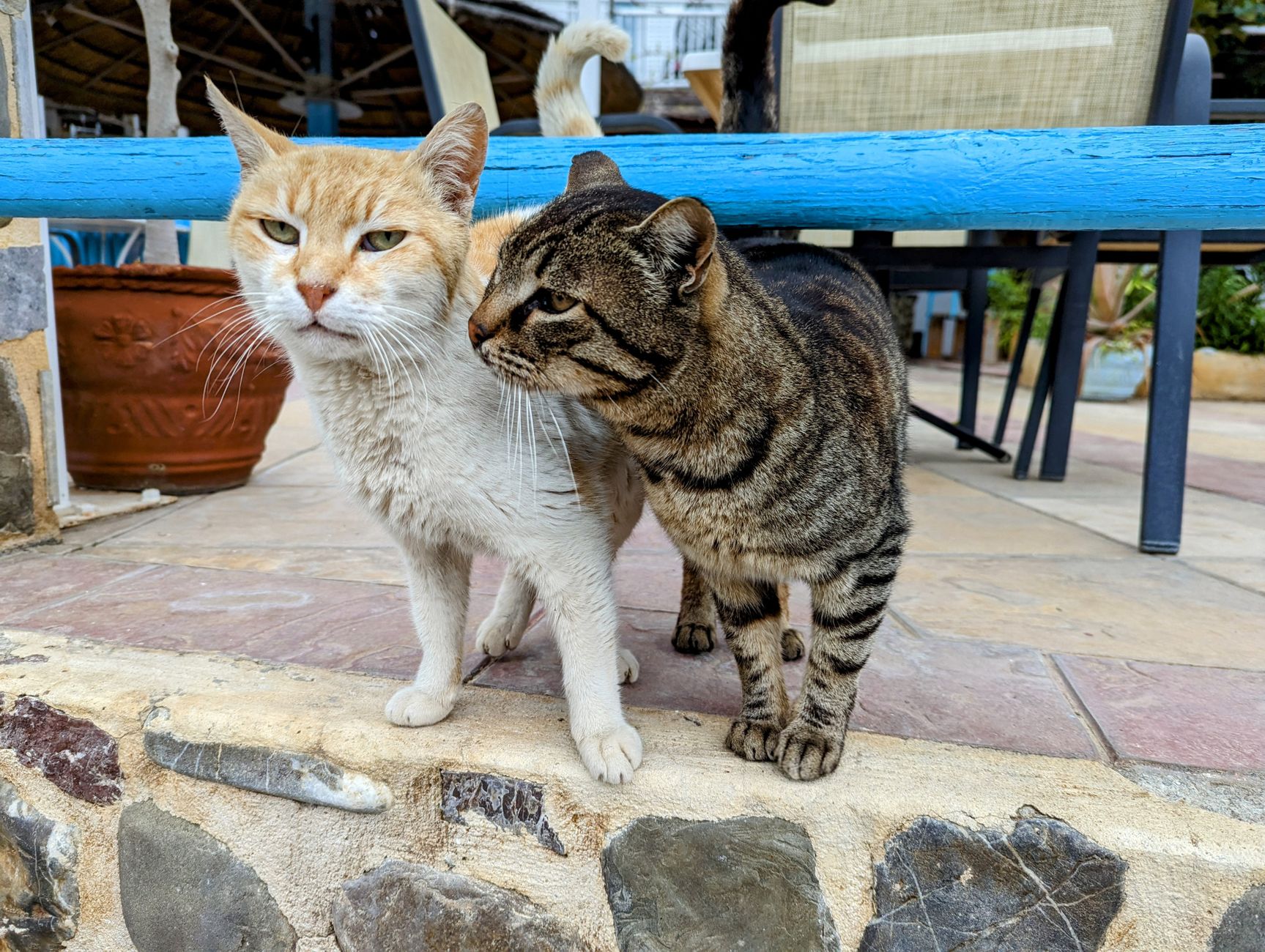
Cat cafes have become an increasingly popular business model for connecting potential adopters with shelter cats in need of homes. These establishments, which originated in Japan and have since spread across North America and Europe, operate by allowing customers to enjoy beverages and food while interacting with cats in a comfortable environment. Many cat cafes partner directly with local animal shelters and rescue organizations, using their spaces as adoption centers where the cats available for interaction are actually animals awaiting permanent homes.
The partnership model works because cat cafes solve a critical problem that shelters face: many people want to meet cats before committing to adoption, but traditional shelter visits can be stressful for animals and sometimes limited in hours. By providing a relaxed, social setting where customers naturally bond with individual cats, cafes create ideal conditions for adoptions to happen organically. When someone falls in love with a specific cat while sipping coffee, the adoption paperwork often follows directly. A notable example is the partnership model seen in cities like Toronto and San Francisco, where cat cafes have become known for their high adoption rates, sometimes clearing their entire roster every few months as customers decide to take their new companions home.
Table of Contents
- Why Do Cat Cafes Increase Adoption Rates?
- The Financial and Operational Challenges of the Model
- How Shelters Benefit Beyond Just Adoptions
- How to Find and Evaluate a Shelter-Partnered Cat Cafe
- The Risk of Burnout and Overstimulation
- Geographic Variations and Market Saturation
- What Adopters Should Expect After Bringing a Cafe Cat Home
- Frequently Asked Questions
Why Do Cat Cafes Increase Adoption Rates?
The basic appeal is straightforward: spending time with a cat in a low-pressure environment helps people understand whether they’re ready for pet ownership and whether a particular cat matches their lifestyle. Unlike a shelter visit, where visitors walk past multiple enclosures, a cafe setting allows for extended one-on-one interaction. Someone might discover that the shy tabby in the corner is actually the perfect fit for their quiet apartment, while the energetic orange cat needs a more active household. This filtering process reduces returns and rehoming after adoption.
Cat cafes also reach demographics that might not traditionally visit shelters. A customer might walk in for coffee and leave with the decision to adopt, something far less likely if that person had never considered entering a shelter building in the first place. This broadens the pool of potential adopters significantly, which is crucial for older cats, cats with special needs, or those with less photogenic personalities who might be overlooked in traditional adoption photos. The social proof effect plays a role as well. When someone sees other customers genuinely enjoying interaction with the cats, it normalizes adoption and makes it feel like an accessible, positive decision rather than a charitable obligation.
The Financial and Operational Challenges of the Model
Cat cafes require consistent investment in infrastructure, food service, liability insurance, and veterinary care for the animals. The margin between coffee shop revenue and operational costs is often thin, which means many cafes must carefully manage the number of cats they host and the frequency with which they rotate animals through. This creates a limitation: a cafe with ten cats and steady business can move them to homes regularly, but a cafe struggling with attendance might end up with cats spending longer in their space than intended, which somewhat defeats the purpose. Another challenge is the potential for inconsistent standards across different cafes.
A cafe that prioritizes profit over animal welfare might overcrowd cats, fail to provide adequate rest periods away from customers, or skip proper health checks before bringing new animals into the space. Cats need quiet zones, vertical spaces, and regular breaks from human interaction, and not all cafes maintain these standards. This is why reputable partnerships with established shelters matter—the shelter’s oversight helps ensure the cats’ wellbeing. Additionally, cat cafes don’t work equally well for all animals. Extremely shy cats, cats with behavioral issues, or those requiring special medical care are often not suitable for a cafe environment and remain better served by traditional foster-based or shelter programs.
How Shelters Benefit Beyond Just Adoptions
When a cat cafe successfully adopts out five cats in a month, it doesn’t just help those five animals—it creates space in the shelter for five more animals that might otherwise be turned away due to capacity limits. This multiplier effect is particularly valuable in areas with high stray populations or during kitten season. Shelters can also use their partnership cafe as a free marketing and visibility platform, reaching potential adopters who might never have learned about their organization otherwise.
The cafe partnership also provides shelters with real-time behavioral and health feedback. Staff can observe how cats interact with diverse groups of people, which helps them make better matching recommendations. A cat that seems withdrawn in a shelter cage might reveal itself as playful and confident in a social environment, changing how that animal is marketed and matched to adopters. Some shelters have used the cafe model to generate additional revenue through premium experiences or education programs held at the cafe location, allowing them to fund medical treatment, behavioral training, or rescue transport programs for animals in more critical situations.
How to Find and Evaluate a Shelter-Partnered Cat Cafe
If you’re interested in adopting through a cat cafe, start by confirming the cafe actually partners with a legitimate shelter or rescue organization. This can usually be verified on their website or by contacting the shelter directly. Ask about the adoption process—it should be as thorough as a traditional shelter, including an application, reference checks, and a home visit if needed. A cafe that skips these steps is prioritizing turnover over animal welfare.
Visit during a time when you can observe the space carefully. Do the cats have access to multiple rooms or zones? Are they being handled gently and respectfully, or are stressed animals being forced into interactions? Is the food preparation area separate from the cat area? Are water bowls and litter boxes clean and accessible? These observations will tell you whether the cafe is genuinely focused on the animals’ wellbeing or simply using them as an attraction to sell expensive beverages. Expect to pay adoption fees that are comparable to what the partnering shelter would charge directly. If adoption fees seem unusually low, it might indicate a less rigorous screening process for adopters. Conversely, if the cafe charges cafe prices that seem inflated specifically because cats are present, that’s a signal that the business model might not have genuine shelter partnership as its core purpose.
The Risk of Burnout and Overstimulation
A genuine concern with cat cafes is that some cats become overwhelmed by constant human contact and noise. Cats are solitary animals by nature, and even social cats need rest periods. A well-run cafe should limit daily customer hours, enforce quiet times, and provide cats with escape spaces where they can choose solitude. If a cafe operates twelve hours a day with minimal breaks for the cats, you’re witnessing an operation that has optimized for revenue over animal wellbeing, regardless of adoption numbers.
Additionally, cats in cafes can develop stress-related behaviors or health issues from overstimulation, which then makes adoption more difficult. A cat that developed anxiety or inappropriate litter box habits due to cafe stress might struggle to adjust in a new home, potentially leading to return and re-adoption cycles. Some rescue organizations have moved away from the cat cafe model for this reason, preferring quieter foster settings where animals experience less daily stress. The adoption rate from a cafe is only meaningful if the cats adopted are healthy, behaviorally stable, and likely to remain in their new homes long-term. Short-term adoption numbers that mask chronic stress or behavioral issues are not genuinely helping animals.
Geographic Variations and Market Saturation
Cat cafes have become popular in major metropolitan areas, particularly in cities with high cost of living and younger demographics. In some neighborhoods, multiple cat cafes now operate within a few miles of each other, which can lead to market saturation and reduced adoption rates per location. When that happens, some cafes close, which can leave partnering shelters scrambling for alternative adoption strategies.
The model has also proven more sustainable in some countries than others. In Japan, where cat cafes originated, they remain a stable business model with long-term partnerships. In North America, some cafes have thrived while others have closed after a few years. This variability suggests that success depends heavily on local market conditions, business acumen, and genuine commitment to the shelter partnership rather than just the novelty of cats as a draw.
What Adopters Should Expect After Bringing a Cafe Cat Home
A cat adopted from a cafe has been living in a social, stimulating environment where human interaction was constant. When that cat arrives home to a quieter setting, they may need an adjustment period. This isn’t a sign that the adoption was wrong, but rather an expectation you should have going in.
The cat might be more active in seeking human attention initially, or conversely, they might sleep for days as they decompress from the overstimulation. Working with a shelter that provides post-adoption support makes a significant difference. A good shelter-cafe partnership will include access to a behaviorist or veterinarian who can help with the transition period and address any issues that arise. Some cafes also maintain contact with adopters and ask for check-ins at thirty, sixty, and ninety days, which gives them data on adoption success and helps them refine which cats are best suited for the cafe environment versus traditional adoption routes.
Frequently Asked Questions
Will a cat adopted from a cafe be different from one adopted from a shelter directly?
Not inherently different, but they’ve had different pre-adoption experiences. Cafe cats are socialized to human interaction and group environments, which can mean they’re well-suited for active households. They may also need an adjustment period when moving to a quieter home. Neither outcome is better or worse, just different.
How do I know if a cat cafe actually supports shelters?
Ask for the name of the shelter or rescue they partner with, then contact that organization directly. Legitimate partnerships are transparent and can be verified. Be wary of cafes that are vague about their shelter connection or claim to “rescue” cats without being affiliated with an established organization.
Are adoption fees higher at cat cafes than regular shelters?
Adoption fees should be similar, since the cafe is not the entity conducting the adoption—the shelter is. If the cafe charges a premium “to use their space,” that’s an additional fee on top of the adoption fee and suggests the business model prioritizes revenue over rescue.
What if a cat I’m interested in has been at the cafe for months without being adopted?
This is a red flag worth investigating. Ask why—it could mean the cat has behavioral or health issues not visible during brief interactions, or it could mean the cafe isn’t actively marketing adoptions. Either way, request a thorough assessment from the shelter before adopting to ensure you’re getting accurate information about the cat’s needs and temperament.
Can shy or antisocial cats succeed in a cafe?
Rarely, and they shouldn’t be there. Extremely shy or stress-prone cats are better served by traditional foster homes where they can live with a family and decompress before adoption. A cafe environment can actually worsen stress-related behaviors in these animals.