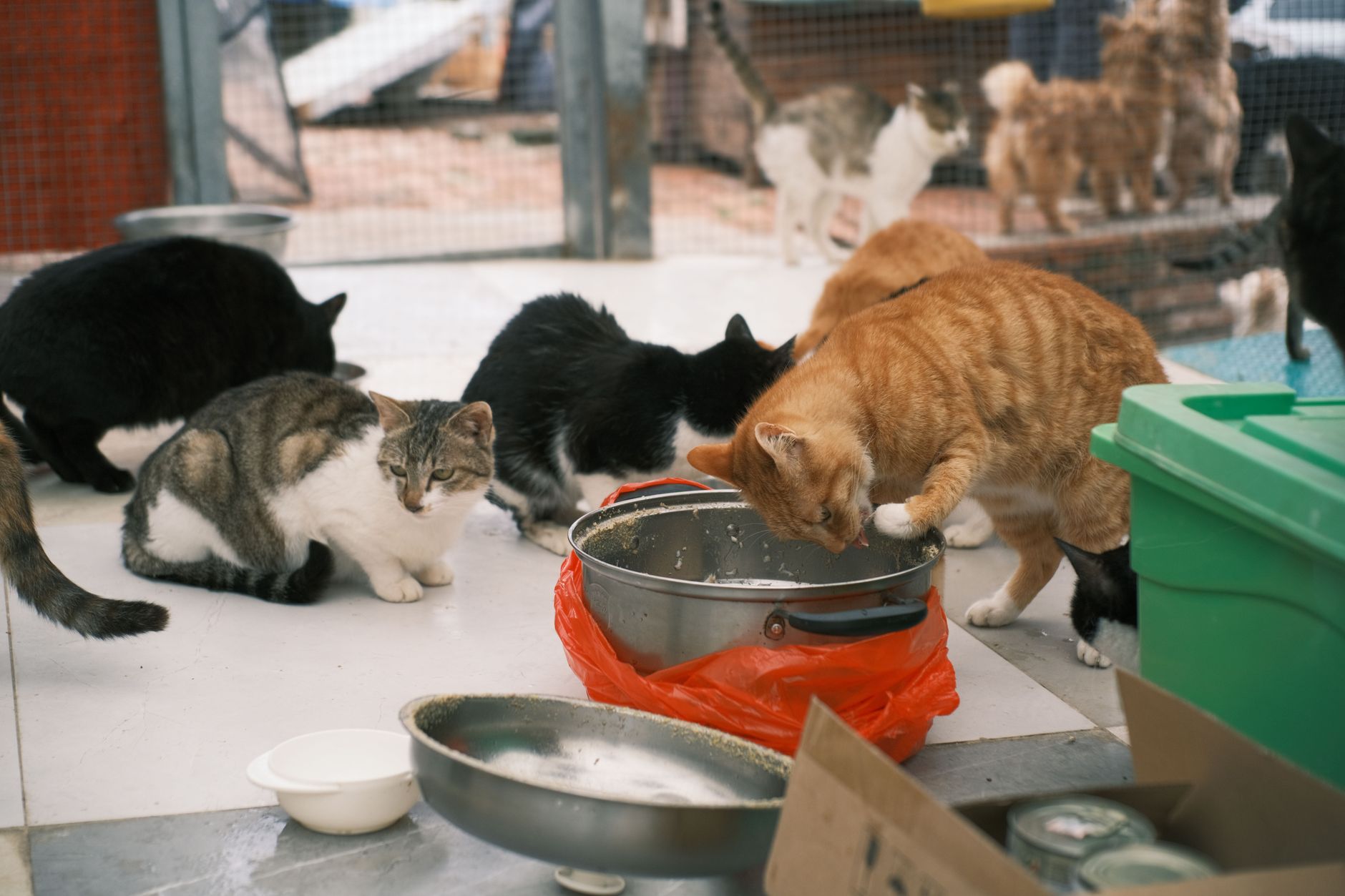
Across the United States, rescue organizations and shelters are intensifying efforts to place cats into permanent homes, recognizing that countless felines spend months or years waiting for adoption despite being healthy, socialized, and ready for family life. A coordinated push by multiple rescue networks and shelters has emerged to raise awareness and streamline the adoption process, addressing the persistent gap between the number of cats entering shelters and the number finding permanent placement.
One midwest-based rescue reported that increasing their adoption events from monthly to weekly nearly doubled their placement rate, demonstrating that visibility and accessibility are often the primary barriers to adoption rather than lack of demand. The initiative reflects a broader shift in animal welfare toward proactive outreach rather than passive waiting. Shelters are partnering with foster networks, using social media to profile individual cats, and organizing adoption fairs in high-traffic community spaces to connect potential adopters with animals that match their lifestyle and household situation.
Table of Contents
- Why Are Rescue Shelters Prioritizing Adoption Campaigns?
- Understanding the Reality of Rescue Cat Supply and Demand
- How Adoption Events and Foster Programs Expand Reach
- What Adopters Should Know Before Bringing a Rescue Cat Home
- Behavioral and Medical Challenges in Rescue Placement
- Building Community Support for Rescue Initiatives
- The Role of Transparency in Adoption Success
Why Are Rescue Shelters Prioritizing Adoption Campaigns?
Shelters face genuine capacity constraints, and the financial and emotional toll of long-term care affects both animals and staff. A cat that spends six months in a shelter facility experiences stress from confinement, disrupted routines, and exposure to illness risk in multi-cat environments. The cost to shelter operations for extended care—food, litter, medical treatment, and staffing—diverts resources from rescue, intake, and prevention programs.
Many shelters operate near or at capacity throughout the year, and successful adoptions free space for animals arriving in crisis situations. Beyond logistics, shelters recognize that a good adoption match—where a cat’s temperament and needs align with an adopter’s expectations—leads to stable, permanent placements. A rushed or incompatible match often results in a cat being returned within weeks, restarting the adoption cycle and damaging both the animal’s confidence and the shelter’s resources. Shelters are investing time in behavioral assessment and detailed animal profiles to improve match quality, which paradoxically requires more staff time upfront but reduces returns long-term.
Understanding the Reality of Rescue Cat Supply and Demand
The assumption that “everyone wants kittens” contains a kernel of truth but misses critical nuance. Kittens do receive more inquiries, yet adult and senior cats often make better pets for working professionals, families with young children, or first-time cat owners because they tend to be calmer, less destructive, and already litter-trained. Many shelters report that a well-socialized adult cat can be adopted as quickly as a kitten when given equivalent visibility and marketing effort.
However, certain cats remain difficult to place: those with behavioral challenges like aggression or excessive vocalization, cats requiring special medical care or lifelong medication, and animals with extreme fear responses take significantly longer to adopt or may never leave the shelter. Shelters in rural areas or those with limited funding face additional challenges in reaching potential adopters outside their immediate geographic radius. A limitation of adoption initiatives is that they cannot quickly resolve the underlying issue of supply—if intake rates exceed adoption rates, capacity problems persist even with excellent marketing.
How Adoption Events and Foster Programs Expand Reach
Adoption events held in pet stores, community centers, and farmers markets remove the barrier of travel to a shelter location, reaching adopters who may not otherwise visit during operating hours. A rescue organization in the Pacific Northwest reported that hosting weekly adoption events at a local farmers market increased their visibility among demographics less likely to search for rescue services online, including older adults and immigrant communities new to the region. These events also allow potential adopters to interact with cats in a relaxed setting, reducing the transactional feel of a shelter visit.
Foster programs expand capacity by moving animals out of shelter facilities into private homes, where they recover from stress, reveal their true personality, and receive individual attention. A fostered cat often shows its actual temperament after weeks away from shelter noise and crowd stress, allowing accurate matching with adopters. The tradeoff is that foster recruitment and support require significant staff time: screening homes, providing supplies and medical oversight, managing liability, and coordinating placement. Not all rescue organizations have the infrastructure to sustain large foster networks.
What Adopters Should Know Before Bringing a Rescue Cat Home
The adoption process at most shelters involves an application, references, and a discussion of the cat’s specific needs and behavioral history. This vetting process protects both the animal and the adopter by setting realistic expectations. A cat with a history of urine marking in litter boxes requires a different approach than one with a clean track record; a cat reactive to other animals needs a single-cat or carefully managed household. Adopters who resent this scrutiny or misrepresent their situation often result in failed placements.
Many rescue organizations now require a trial period or ongoing support, offering consultation if behavioral issues arise post-adoption. This shifts responsibility away from the shelter as a one-time transaction and toward a partnership in the animal’s success. Adopters should budget for initial veterinary care—some rescues include spay/neuter and vaccines, but others do not—as well as behavioral management resources if the cat requires adjustment time. The comparison with purchasing from a breeder is instructive: rescue adoption requires more transparency and commitment but also connects an adopter with an organization invested in long-term animal welfare rather than transaction completion.
Behavioral and Medical Challenges in Rescue Placement
Some cats in rescue systems carry behavioral histories that make placement genuinely difficult: early trauma, inadequate socialization, fear-based aggression, or learned anxiety responses. A kitten raised by an isolated mother or not handled by humans during the critical 2-8 week socialization window may never become comfortable with human touch, limiting adoption to experienced adopters who accept a semi-feral pet. These animals require foster homes or sanctuaries designed for lower adoption outcomes; mainstream adoption events and typical home environments are inappropriate matches. Medical complexity also affects adoptability.
A senior cat with chronic kidney disease requires owner commitment to fluid therapy or frequent veterinary visits, narrowing the pool of suitable adopters. Rescues should disclose such issues transparently rather than hoping adopters will manage; dishonest placement of medically complex animals often leads to surrender when the owner faces unexpected costs or demands. A warning for adopters: be skeptical of any rescue that provides insufficient medical history or discourages questions about an animal’s background. A legitimate organization prioritizes long-term welfare over quick placement.
Building Community Support for Rescue Initiatives
Local advocacy and corporate partnerships strengthen adoption initiatives. A regional animal shelter that secured a grant from a pet food company to sponsor weekly adoption events for senior cats reported a 40% increase in adoptions for cats over age 7 within six months.
Community volunteers trained as adoption ambassadors can extend the reach of paid staff, hosting information tables at locations where potential adopters already gather. Social media campaigns that feature individual cat stories—including personality quirks, behavioral needs, and even setbacks—humanize animals in ways that generic messaging cannot. A cat featured in a shelter’s Instagram series about its journey from intake to adoptability may attract adopters who specifically connect with that animal’s narrative, increasing the likelihood of a thoughtful, informed match.
The Role of Transparency in Adoption Success
Rescue organizations that provide detailed medical records, behavioral assessments, and honest communication about a cat’s adjustment timeline see lower return rates and more stable placements than those offering minimal information. An adopter who knows a cat will require a two-week adjustment period with access to a single room, minimal handling, and patience has realistic expectations and is less likely to interpret normal fear responses as an adoption failure.
Transparency includes acknowledging what a rescue does not know. A cat that arrived as a stray may have an unknown history; a shelter cat may display behaviors in the adoption facility that do not persist in a home environment. Honest rescues present this uncertainty rather than over-interpreting data or making unfounded claims about an animal’s background.