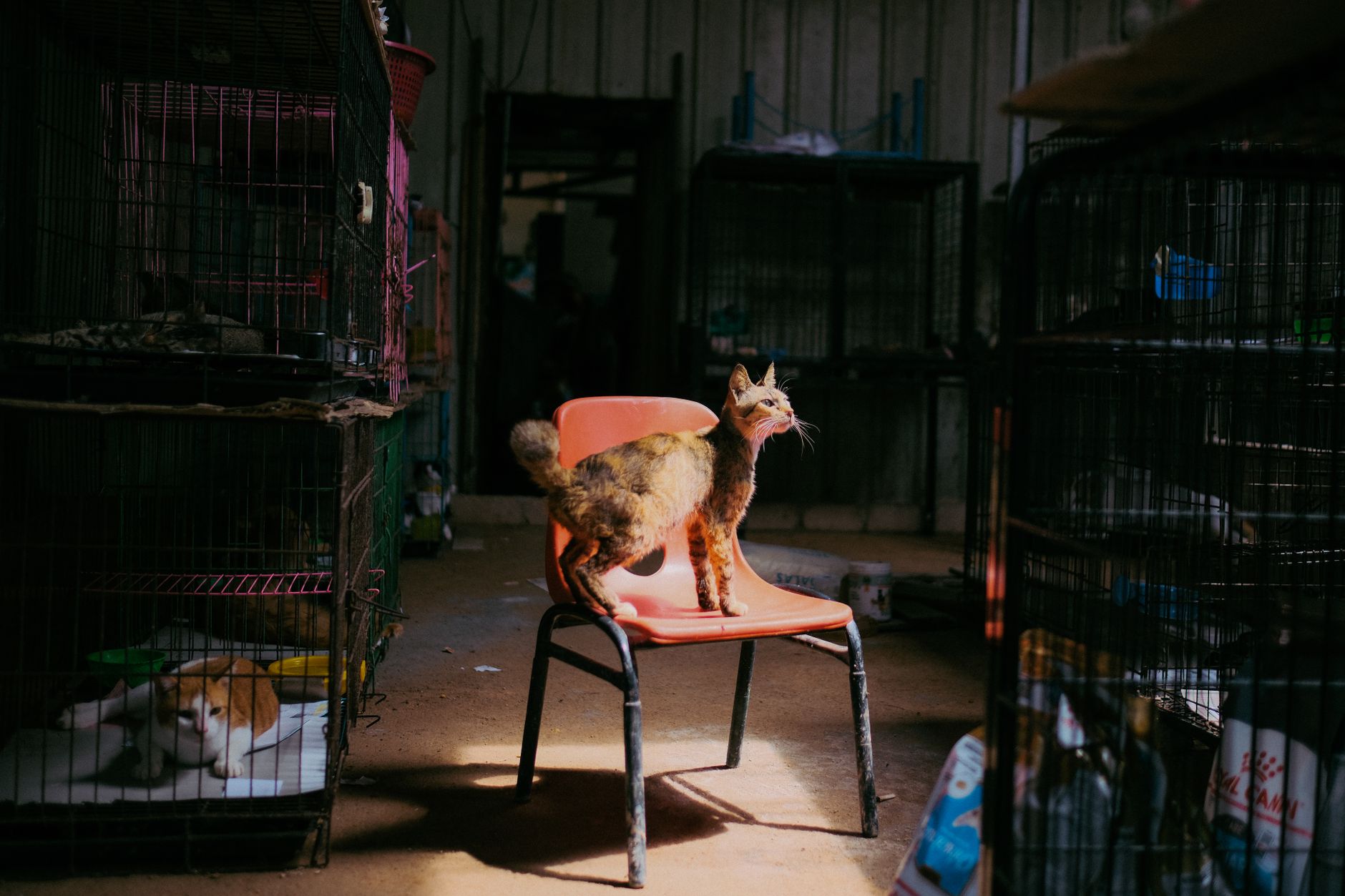
Yes, rescue kittens can be adopted for free or at a significantly reduced cost through shelters and rescue organizations across the country. When shelters face overcrowding—like the situation with dozens of kittens needing homes—they often waive or drastically reduce adoption fees to place animals quickly. A rescue kitten adopted at no cost comes with the same basic requirements as any other cat: food, veterinary care, enrichment, and long-term commitment.
The difference is that free or low-cost adoption removes a financial barrier for people who want to give a home to a young animal but cannot afford traditional adoption fees. Free adoption programs succeed because they prioritize finding homes over generating revenue. Many shelters use such programs temporarily during peak kitten season (typically spring through fall) when surrenders and births overwhelm intake capacity. A person adopting a free kitten from an overstuffed shelter is making space available for other animals in immediate need, making the adoption mutually beneficial.
Table of Contents
- Where to Find Free and Low-Cost Kitten Adoption Programs
- Health and Behavioral Screening of Rescue Kittens
- What Free Adoption Means for Ongoing Care Costs
- Evaluating Your Home and Lifestyle Before Adopting
- Common Behavioral and Health Challenges in Newly Adopted Kittens
- Preparing Your Home for a Rescue Kitten
- Long-Term Commitment and Breed or Type Considerations
- Frequently Asked Questions
Where to Find Free and Low-Cost Kitten Adoption Programs
Local animal shelters and rescue organizations are the primary source for free or reduced-cost kitten adoptions. Public shelters funded by municipal taxes or nonprofit donations often have adoption fee waivers during overcrowding emergencies. Private rescue groups dedicated specifically to cats may also offer free placements, especially if their mission centers on preventing euthanasia or reducing shelter burden. Social media and community bulletin boards regularly advertise urgent placement needs; a single post about “80 cats needing homes” typically reaches hundreds of local people within hours.
Beyond traditional shelters, pet supply stores sometimes host adoption events where rescue organizations waive fees for kittens. Veterinary clinics may also coordinate with rescues to place young animals needing homes. The catch: free adoption doesn’t mean the kitten has received no care. Reputable organizations still vaccinate, deworm, and screen adopters before releasing any animal, absorbing these costs themselves.
Health and Behavioral Screening of Rescue Kittens
A significant limitation of free adoption programs is that when an organization is desperate to place animals quickly, thorough behavioral assessment may be compressed. A kitten from an overcrowded shelter might not have spent enough time in a foster home or evaluation area to reveal shyness, aggression, or resource-guarding issues that would surface only after weeks in a quiet home. Some rescue kittens have unknown histories; a four-week-old found as a stray has no behavioral baseline, making predictions about adult temperament speculative.
Medical screening is generally more reliable than behavioral assessment. Most rescue organizations require kittens to be vaccinated (FVRCP), dewormed, and tested for feline leukemia and FIV before adoption, even in high-volume placement scenarios. However, a newly adopted kitten may carry parasites or infections not yet symptomatic, requiring a veterinary visit within the first week. If adopting a free kitten, budget for an immediate wellness exam and any follow-up care the shelter didn’t provide.
What Free Adoption Means for Ongoing Care Costs
Adopting a kitten at no cost creates a false impression that the animal is inexpensive overall. A rescued kitten typically costs $200–$500 annually in basic care: food, litter, preventive veterinary visits, and minor supplies. If the kitten develops a chronic condition or requires emergency treatment, costs spike rapidly; a urinary blockage or severe infection can cost $1,000–$2,000 to treat.
Some rescue organizations offer post-adoption support, including discounted veterinary services or a help line for behavioral questions, but this varies widely. Free adoption is most successful when the adopter already understands the financial commitment ahead. A person who can afford a $150–$200 adoption fee usually has resources for ongoing care; a person choosing free adoption solely because of cost may struggle when the kitten requires dental work or emergency surgery at age five. Shelters placing animals for free often include information about pet insurance or low-cost veterinary clinics in their adoption packet, acknowledging this realistic concern.
Evaluating Your Home and Lifestyle Before Adopting
Before claiming a free kitten, honestly assess whether your living situation suits a young cat. Kittens are energetic, destructive, and require several hours of attention daily. A one-bedroom apartment with no window perches or play space, or a home with a full-time working adult and no enrichment, may not be adequate.
Some rescue programs include a home visit or require references, even for free adoptions, to prevent failed placements that return animals to shelters. Comparing free adoption to purchasing from a breeder highlights another angle: a breeder typically screens families thoroughly and charges enough to invest in that process, while a shelter doing free emergency placement relies on trust and the adopter’s self-awareness. If you have young children who haven’t lived with cats before, or multiple dogs with unknown prey drive, a kitten from an overwhelmed shelter might end up returned within weeks, creating stress for the animal and creating more work for the organization.
Common Behavioral and Health Challenges in Newly Adopted Kittens
Kittens from shelters, especially those in high-stress environments, often exhibit fear-based behavior in their new homes for the first one to three weeks. Hiding under furniture, refusing food, or aggression toward hands are normal stress responses, not personality traits. If an adopter misinterprets these signs as permanent or beyond management, the kitten is returned, restarting the cycle. A warning: adopt only if you can commit to at least a 3–4 week adjustment period with patience and minimal disruption.
Another common issue is that newly adopted kittens may carry upper respiratory infections or gastrointestinal parasites acquired in the shelter environment. These appear within days or weeks of adoption. A kitten developing sneezing, nasal discharge, or diarrhea requires immediate veterinary care; treating these is not optional. If the adopter cannot afford the $200–$400 veterinary bill, they should not adopt, regardless of the zero adoption fee.
Preparing Your Home for a Rescue Kitten
Basic preparation includes a litter box (ideally two, placed far apart), food and water bowls, a hiding space where the kitten feels safe, and toys. Kittens aged six weeks to four months are prey-driven and will chase anything moving; securing loose cords, removing toxic plants, and closing access to dangerous areas like behind refrigerators is essential.
A kitten from a shelter has no experience with a specific home’s hazards and will test every space. One example: a kitten adopted into a home with exposed cleaning supplies under the sink, despite the adopter’s good intentions, may drink antifreeze or ingest caustic substances simply through exploration. Preparing the space takes a few hours and costs under $100 for basic supplies, yet it prevents emergencies.
Long-Term Commitment and Breed or Type Considerations
A rescue kitten’s adult personality emerges over months, not weeks. The shy shelter kitten may become confident by month four; the hyperactive one may mellow at two years old. Adopting requires committing to at least 15–18 years with an animal whose adult temperament is partially unknown. This is not a limitation unique to rescue; even purchased kittens grow into unexpected personalities.
The difference is that rescue adopters often have less information about the kitten’s background or genetics, making patience and flexibility non-negotiable. Many rescue kittens are domestic shorthairs of mixed ancestry, meaning no breed-specific guarantees about size, coat type, or predispositions. Some shelters do have pure or mixed-breed types available (Maine Coon mixes, Siamese, etc.), and free adoption programs sometimes prioritize mixed breeds precisely because they are harder to place. If you have specific needs—an allergy-friendly coat, a calm demeanor for a multi-pet home, or a particular size—ask the shelter whether their kittens have been observed to meet these traits, accepting that the answer may be “unknown.”.
- —
Frequently Asked Questions
Will a free kitten come with vaccinations and flea treatment?
Most reputable shelters vaccinate and deworm before release, but practices vary. Always ask for medical records and schedule a vet visit within the first week.
Can I return a free kitten if it doesn’t work out?
Many rescues accept returns, but a kitten returned multiple times experiences trauma. Adopting should be intentional, not reversible.
Is a free kitten less healthy than one from a breeder?
Not necessarily. Health depends on the shelter’s practices and luck; a breeder kitten has a higher price tag but similar lifelong healthcare costs.
How soon after adoption can a kitten be spayed or neutered?
Most vets will spay or neuter at eight weeks and two pounds of body weight. Check with your veterinarian about timing specific to your kitten.
What if the free kitten has behavioral problems after adoption?
Behavioral issues in the first month are usually stress, not permanent traits. If problems persist after 4–6 weeks, consult a feline behaviorist before returning the kitten.