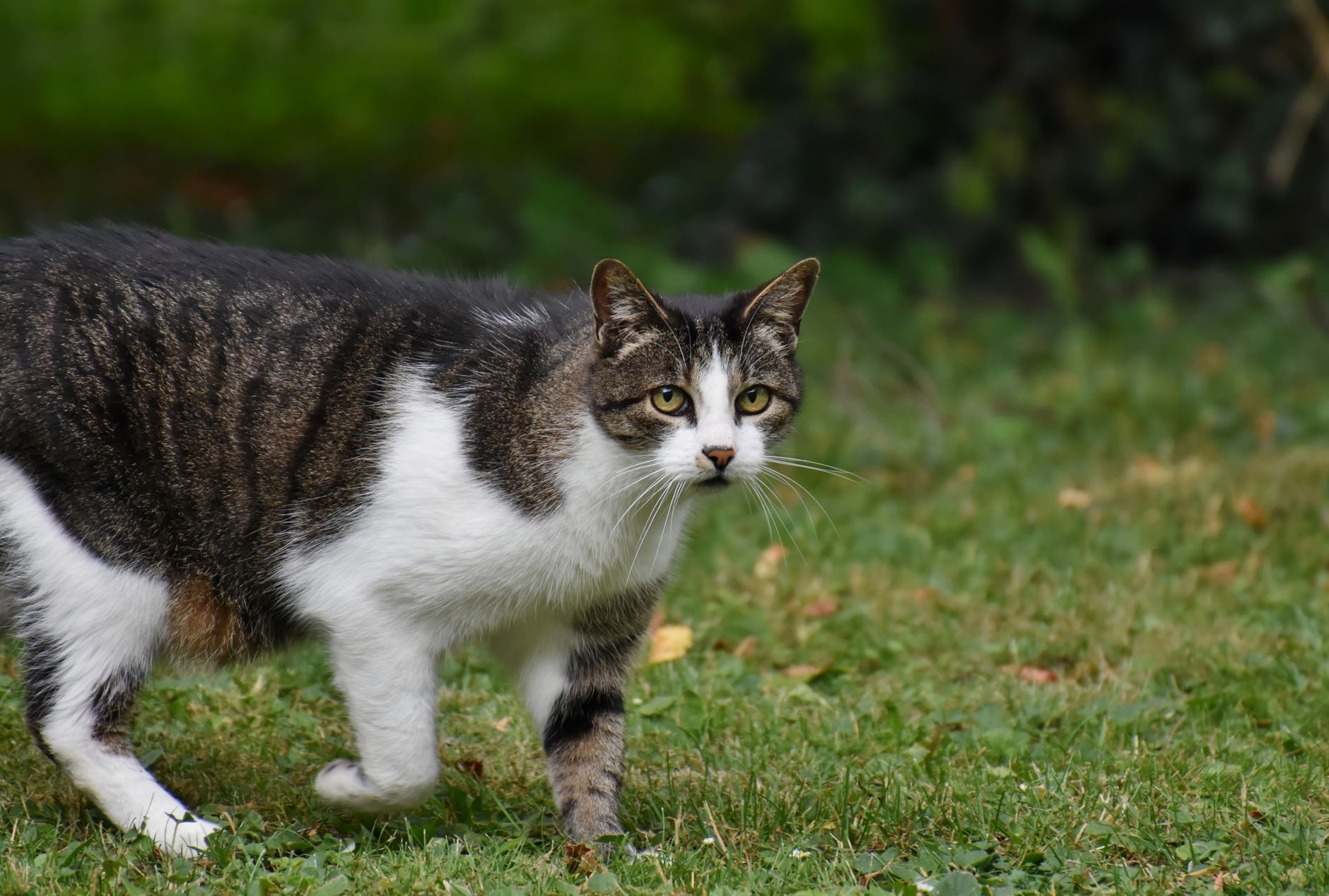
A Maryland suspect was arrested after attempting to rob a PNC Bank in Prince George’s County while using a stolen three-month-old kitten as part of the scheme. The incident, which unfolded at a Beltsville bank branch, highlights how animals can be drawn into criminal acts and the serious vulnerabilities that exist in both pet retail environments and financial institutions. The kitten, later named Magnolia, became an unwitting participant in a failed robbery attempt that underscores troubling patterns in both animal theft and opportunistic crime.
The suspect had targeted the kitten deliberately, visiting a Pet Supplies Plus store nearly every day for the previous couple of weeks, routinely heading straight to where the kitten was housed before eventually stealing her. Rather than abandoning the animal after the theft, the suspect brought the kitten into the bank, handing her to an employee moments before presenting a teller with a note demanding cash. The robbery attempt failed, but the incident raises critical questions about how animals end up in such situations and what happens to them in the aftermath.
Table of Contents
- When Animals Become Tools in Criminal Schemes
- The Vulnerability of Pet Retail Environments
- The Three-Month-Old Kitten’s Critical Development Stage
- Stress Responses and Recovery in Stolen Animals
- Protecting Kittens in Retail and Home Environments
- The Criminal Use of Animals in Fraud and Robbery
- Authority Response and Animal Welfare After Criminal Acts
When Animals Become Tools in Criminal Schemes
The use of the kitten as part of the bank robbery attempt reveals how desperation and poor judgment can endanger animals who have no agency in the situations they’re placed in. The suspect’s deliberate pattern of visiting Pet Supplies Plus for weeks beforehand—consistently heading to where the kitten was kept—suggests premeditation, not an impulsive act. This calculated approach to theft shows that the kitten was specifically selected, possibly because her size and appearance made her easy to handle and potentially memorable to witnesses, creating a distraction during the robbery attempt.
Animals used in crimes face unpredictable treatment and potential harm, even when the criminal act itself doesn’t involve direct violence toward them. A three-month-old kitten, still in a critical developmental stage, experiences significant stress from theft, transport, and placement into a chaotic environment like a bank robbery. The kitten has no understanding of what’s happening and cannot advocate for her own safety or welfare. In this case, the kitten’s survival unharmed was fortunate—the outcome could have been far different if the suspect had panicked, fled, or faced armed resistance from law enforcement.
The Vulnerability of Pet Retail Environments
Pet Supplies Plus and similar retail locations remain surprisingly vulnerable to theft, despite being commercial spaces with inventory management systems and, in many cases, security measures. The fact that a suspect was able to visit a store nearly daily for weeks without raising sufficient concern demonstrates a gap in loss-prevention practices. Employees may have noticed a regular customer but didn’t connect the pattern of visits directly to the kitten or flag it as suspicious behavior, a common oversight in retail environments where staff turnover is high and security protocols vary. Animals held in pet store environments are particularly at risk because they’re displayed for potential customers to view and handle, making them visible and accessible.
kittens require specialized care—proper temperature control, feeding schedules, socialization—that pet stores are equipped to provide. When a kitten is stolen, that care suddenly stops, and the animal faces an unpredictable environment that may lack proper food, water, ventilation, or medical attention. The timeline of theft is also relevant: the incident occurred after weeks of targeted visits, meaning the suspect had ample opportunity to observe store routines, security practices, and the location of cameras. This level of planning suggests that more robust monitoring of repeat customers and unusual behavioral patterns could have prevented the theft.
The Three-Month-Old Kitten’s Critical Development Stage
At three months old, Magnolia was in a crucial period of physical and behavioral development. Kittens at this age are still learning social behaviors from littermates or caregivers, developing coordination, and building their immune systems. A sudden removal from a safe environment into the stress of theft, transport, and a chaotic criminal event disrupts this development in ways that may not be immediately visible but can have lasting effects on her behavioral and emotional health.
Stress in young kittens triggers a physiological response that floods their bodies with cortisol and adrenaline. Even brief periods of high stress can affect their ability to interact with humans, their confidence in new environments, and their willingness to engage in normal kitten behaviors like play and exploration. Young kittens are also more vulnerable to illness during stress because their immune systems are not yet fully developed. While Magnolia was recovered unharmed physically, a comprehensive veterinary examination would have been necessary to rule out injuries, infections, or other health impacts from her ordeal.
Stress Responses and Recovery in Stolen Animals
When animals are stolen and placed in unfamiliar, often chaotic situations, they exhibit stress behaviors that range from hiding and refusal to eat to aggression and excessive vocalization. A three-month-old kitten in this situation has no context for what’s happening; she cannot understand that the situation is temporary or that she will be recovered. Her stress response is instinctive and can lead to long-term behavioral issues if not carefully managed during recovery. Recovery from such an experience requires more than simply returning the kitten to a safe space.
The animal needs a calm, predictable environment, consistent handling by trusted caregivers, and monitoring for both physical and psychological impacts. Veterinary care should include a full examination, assessment of nutritional status, and screening for diseases or parasites that might have been introduced during the theft. The transition back to normal life—whether that meant returning to the pet store, moving to an adopter, or being placed in foster care—required careful planning to minimize additional stress. The fact that Magnolia was recovered relatively quickly likely reduced the duration of trauma, improving her long-term prognosis for recovery.
Protecting Kittens in Retail and Home Environments
Pet owners and retail employees should recognize that theft patterns often involve reconnaissance. A customer who repeatedly visits a store and consistently focuses on a particular animal—especially a young, valuable animal like a purebred or recently arrived kitten—warrants attention. Employees should be trained to note when the same person visits multiple times and targets the same area or animal, and management should be informed of these observations.
For pet store operations, loss-prevention measures should include monitoring of high-value inventory, awareness training for staff about theft patterns, and alertness to customers exhibiting focused interest in particular animals. Kittens and puppies are frequent theft targets because they’re valuable both as pets and as potential breeding stock. In homes, pet owners should be cautious about leaving kittens or cats unsupervised in accessible areas, particularly near windows or doors. While this case involved a retail theft rather than a home burglary, the principle is the same: young animals are targets for theft because they have financial value and, to a criminal, represent tradeable assets.
The Criminal Use of Animals in Fraud and Robbery
The suspect’s decision to bring the kitten into the bank during the robbery attempt is noteworthy from a criminal-behavior perspective. Using an animal as part of a crime—particularly a young, visibly helpless animal—may seem to create sympathy or distraction, or it may simply reflect the fact that the suspect had nowhere to leave the kitten and no concern for the animal’s wellbeing during the commission of the crime. Either way, the kitten became collateral in a criminal act, a use of an animal that demonstrates a fundamental lack of concern for her safety or welfare.
In this case, the robbery attempt was unsuccessful, and law enforcement was able to arrest the suspect and recover the kitten. Magnolia was unharmed, a fortunate outcome that was not guaranteed. The incident illustrates why animal welfare agencies, law enforcement, and retail businesses need to take theft seriously—not only because of the economic loss, but because stolen animals face real risks of injury, illness, or worse.
Authority Response and Animal Welfare After Criminal Acts
Prince George’s County police arrested the suspect and recovered Magnolia, ensuring that the kitten could receive proper care and evaluation following the ordeal. The successful recovery of the animal and the apprehension of the suspect represent proper protocol, though the broader context raises important questions about what happens to stolen animals in situations where they’re not recovered as quickly or where the recovery occurs after an extended period of neglect or abuse. The treatment of animals used in crimes is a welfare issue that extends beyond this single case.
Agencies responsible for both law enforcement and animal welfare must have clear protocols for handling animals discovered in connection with criminal acts. Magnolia’s status as a victim in this crime—stolen from a retail location and used in a failed bank robbery—establishes that she required care and support beyond simply returning her to her original location. Her recovery and subsequent placement, whether with an adopter or returned to Pet Supplies Plus for adoption, would have required consideration of her best interests and her potential long-term behavioral or health impacts from the theft and the incident itself.