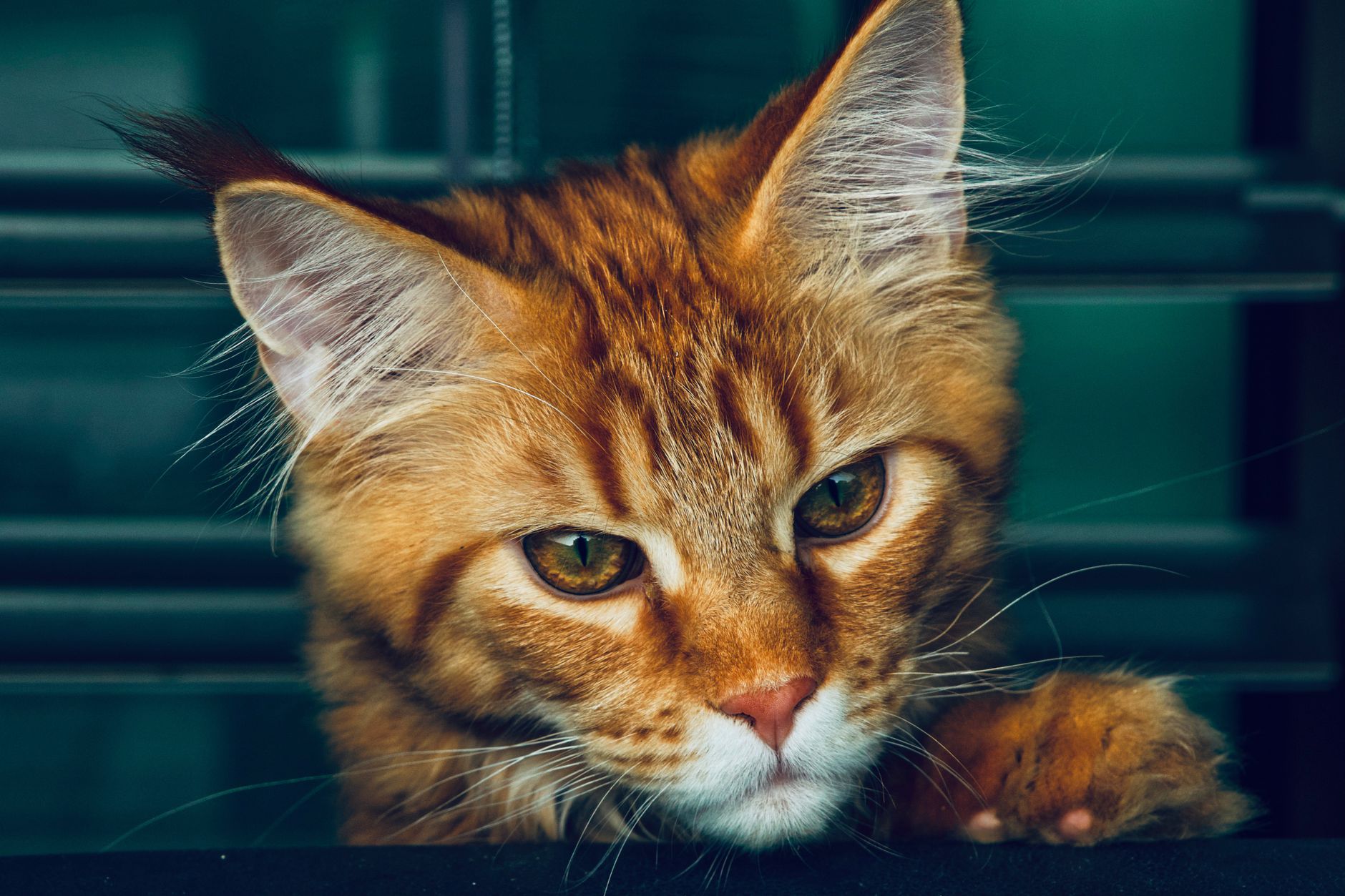
Maine Coon kittens are available for purchase from breeders in Malaysia, though the breed’s availability is more limited there than in Western countries. The Malaysian market for Maine Coons includes both established breeders who have imported breeding stock and newer breeders attempting to establish lines locally.
However, finding a reputable Maine Coon breeder in Malaysia requires more research and caution than in larger international markets, as the breed’s niche status means fewer breeders, less industry oversight, and higher potential for unethical practices. The process of acquiring a Maine Coon kitten in Malaysia typically involves contacting breeders directly, often through social media or local cat associations, and many breeders maintain waiting lists due to limited breeding numbers. Some owners also choose to import kittens from established breeders in Singapore, Thailand, or abroad, which adds complexity around quarantine regulations, transportation stress, and additional costs.
Table of Contents
- How Many Maine Coon Breeders Operate in Malaysia?
- The Maine Coon Breed and What to Expect
- Importing Maine Coons versus Purchasing Locally
- Evaluating a Maine Coon Breeder in Malaysia
- Health Risks and Genetic Screening in the Malaysian Context
- Cost and Financial Responsibility in Malaysia
- Ethical Breeding and Warning Signs to Avoid
How Many Maine Coon Breeders Operate in Malaysia?
The number of dedicated Maine Coon breeders in Malaysia is small compared to popular local and regional breeds. Most active breeders operate in major urban centers like Kuala Lumpur and Petaling Jaya, where there is greater demand and easier access to veterinary care, breeding supplies, and the expatriate community that tends to favor larger pedigreed cats. Many Malaysian Maine Coon breeders are relatively new to the breed, having started within the last five to ten years, which means their breeding experience and genetic diversity can be limited.
Some breeders operate informally, advertising through Facebook groups or WhatsApp networks without formal registration with Malaysian cat associations. Others may be registered with international organizations like The International Cat Association (TICA) or the World Cat Federation (WCF), which provides some credibility but does not guarantee ethical practices. The lack of a large local breeder network means that individual breeders face less peer accountability and fewer established standards for Maine Coon breeding in the Malaysian context.
The Maine Coon Breed and What to Expect
maine Coons are one of the largest domestic cat breeds, with mature males weighing between 13 to 18 pounds or more, and females between 8 to 12 pounds, which is significantly larger than typical house cats. Their size, combined with their semi-long coat, tufted ears, and bushy tail, requires substantial living space and regular grooming—grooming needs that become challenging in Malaysia’s warm, humid climate, where matting occurs more rapidly and humidity increases the risk of skin conditions.
The breed is known for intelligence, playfulness, and a dog-like loyalty to their human family, but they also require considerable enrichment and space. Maine Coons are prone to several genetic health conditions, including hypertrophic cardiomyopathy (HCM), hip dysplasia, and spinal muscular atrophy (SMA), which responsible breeders screen for through genetic testing and cardiac screening. When purchasing from a Malaysian breeder, verifying that both parents have been tested for these conditions is essential, as many smaller or informal breeders may skip these health checks to reduce costs.
Importing Maine Coons versus Purchasing Locally
Many Malaysians interested in Maine Coons import kittens from breeders in Singapore, Thailand, the Philippines, or overseas in the United States and Europe, where the breed is more established and breeders’ track records are easier to verify. Importing offers access to better-documented pedigrees, genetic health testing records, and breeders with years or decades of experience, but it introduces significant complications: quarantine regulations, transportation stress on young animals, jet lag affecting their behavior, and potential health issues that surface after arrival.
Local Malaysian breeders may be more convenient and cost-effective in the short term, with lower transportation costs and the ability to visit the breeder’s home to assess living conditions. However, a local breeder’s relative inexperience with the breed or unclear breeding goals can result in kittens with structural faults, temperament issues, or undetected genetic conditions that only emerge years later. The trade-off is between convenience and local support versus reputation and genetic reliability.
Evaluating a Maine Coon Breeder in Malaysia
When contacting a potential breeder, ask for evidence of health testing on both parents, including certificates for cardiac screening (echocardiogram), hip and elbow radiographs evaluated by veterinary specialists, and genetic tests for SMA. Reputable breeders welcome these questions and provide documentation; breeders who dismiss health concerns, claim their line has “no genetic issues” without testing, or refuse to provide references are significant red flags. Request contact information for previous kitten buyers and speak with at least two or three families about their experience, kitten health, and the breeder’s responsiveness after purchase.
Visit the breeder’s home or facility in person if possible, observing the cleanliness, the temperament of parent cats, the living conditions for kittens, and whether breeding cats appear stressed or over-bred. A responsible breeder maintains small numbers of breeding cats, spaces litters appropriately, and can discuss their breeding goals beyond making a quick sale. Check whether the breeder is registered with local Malaysian cat associations or international organizations, though registration alone does not guarantee quality—it simply provides a baseline of accountability.
Health Risks and Genetic Screening in the Malaysian Context
Maine Coons purchased from breeders with limited genetic diversity, a common problem in small breeding populations, face higher risks of inherited conditions. Hypertrophic cardiomyopathy (HCM) is the most significant concern in Maine Coons; it can be asymptomatic for years before causing sudden cardiac death, and only certified cardiac screening (annual echocardiograms performed by a veterinary cardiologist) can detect it early. Many Malaysian veterinarians lack the specialized equipment or expertise to perform these screenings, requiring owners to travel to major urban veterinary centers or, in some cases, rely on breeders to have screening done prior to sale.
Spinal muscular atrophy (SMA) is a genetic condition that causes progressive muscle weakness; affected cats usually show symptoms by three months of age. Responsible breeders now use genetic testing to identify carriers and prevent affected kittens, but some Malaysian breeders may not yet use these tests. Hip dysplasia, while less immediately critical than HCM, can cause chronic pain and mobility issues later in life. Before committing to a purchase, confirm that both parents have been tested for SMA (via genetic test, not breeding trial), screened for HCM by echocardiogram, and have hip evaluations, such as OFA or PennHIP scores.
Cost and Financial Responsibility in Malaysia
Maine Coon kittens from reputable Malaysian breeders typically cost between 3,000 and 8,000 Malaysian Ringgit (or higher), depending on the breeder’s reputation, the kitten’s pedigree, and whether the kitten is pet-quality or show-quality. This price can seem expensive compared to adopting a local cat, but it reflects legitimate breeding costs: genetic testing, veterinary care, quality nutrition, and responsible breeding practices. Breeders advertising Maine Coons significantly below this range, or offering them without documentation of health testing, are likely cutting corners on welfare or genetics.
Beyond the purchase price, ongoing costs in Malaysia include regular veterinary care, high-quality nutrition suitable for a large cat, routine grooming (professional grooming every 6 to 8 weeks), and emergency veterinary funds for potential health issues. Maine Coons’ size means they eat more food than average cats, and their health screening needs (annual cardiac exams, for example) add to lifetime costs. Prospective owners in Malaysia should budget for multiple vet visits annually and be prepared for potential expenses related to genetic conditions, despite careful breeder selection.
Ethical Breeding and Warning Signs to Avoid
A breeder advertising unlimited kittens available year-round, allowing kittens to go home before eight to twelve weeks of age, or pressuring buyers to make quick purchasing decisions are practicing poor husbandry. Ethical breeders limit breeding frequency, allow adequate time between litters for the mother’s recovery, and screen potential homes to ensure the kitten will receive appropriate care. They also provide contracts, health guarantees, and ongoing support if behavioral or health issues arise after purchase.
Be cautious of breeders who cannot provide clear information about the kitten’s genetic background, the health history of grandparents or great-grandparents, or who dismiss questions about inbreeding. Some small Malaysian breeding populations may have limited genetic diversity due to the scarcity of Maine Coons; responsible breeders acknowledge this and work strategically to introduce new genetic material or collaborate with other breeders. If a breeder has no plan for managing genetic diversity and is breeding multiple litters from closely related cats, the kittens face elevated risk of inherited conditions regardless of individual health testing results.