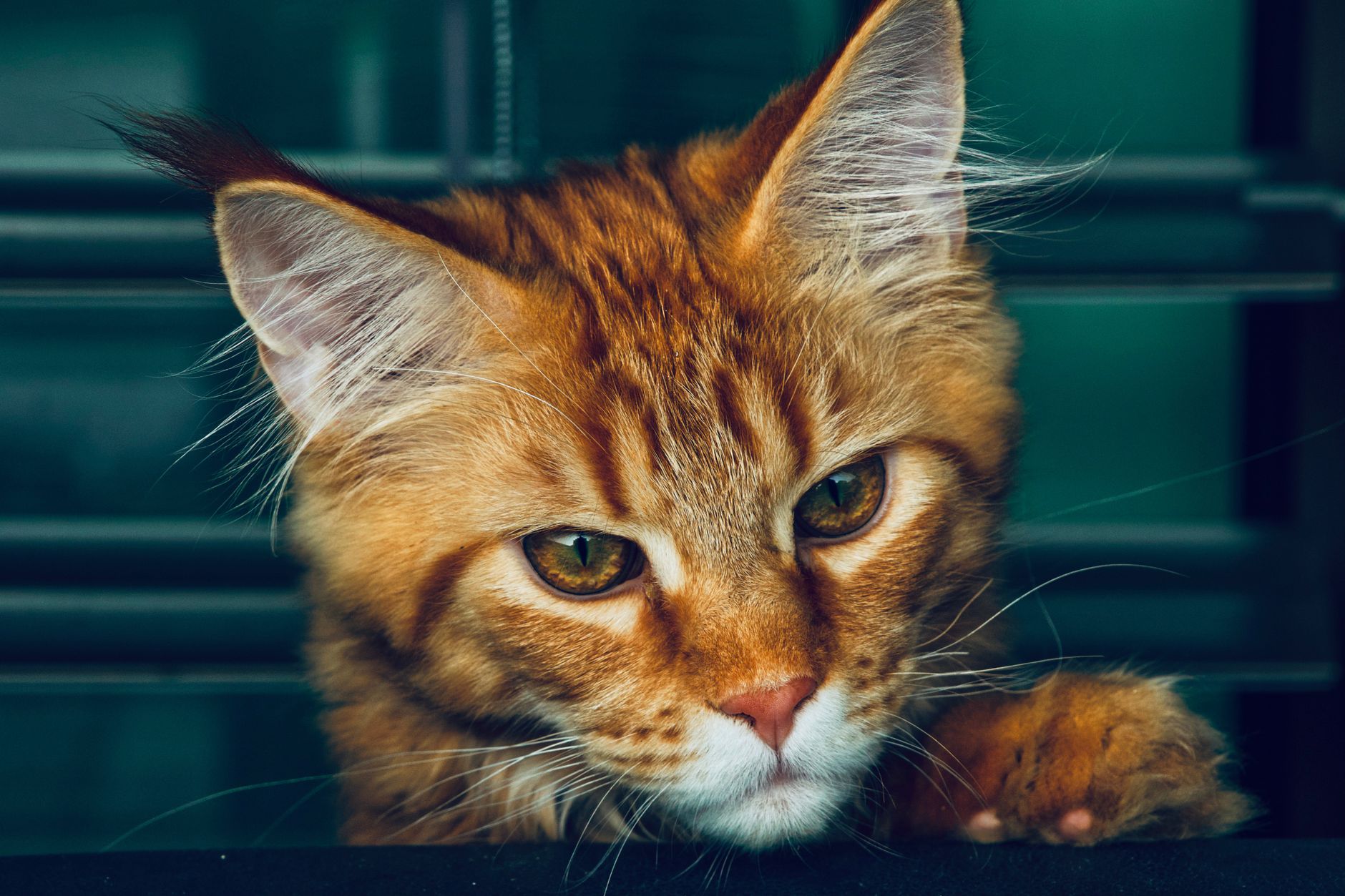
Maine Coon cats captivate feline enthusiasts worldwide because they combine exceptional size with gentle temperament, athletic ability with calm domesticity, and striking appearance with surprisingly dog-like personalities. Unlike many large cat breeds, Maine Coons maintain playful, sociable dispositions well into adulthood, which resonates with cat owners seeking companionable pets rather than aloof hunters. A Maine Coon named Stewie held the Guinness World Record for longest cat at over 48 inches, illustrating the breed’s capacity to reach proportions that astonish even experienced cat enthusiasts.
What sets Maine Coons apart isn’t merely their physical stature but their complex behavioral profile and practical care requirements. They developed naturally in the harsh climate of Maine’s forests, adapting traits that remain visible today: water-resistant coats, tufted paws, and an independence paired with strong attachment to human family members. These characteristics create a breed that demands more engagement and space than typical domestic cats while rewarding that investment with remarkable loyalty and entertaining antics.
Table of Contents
- Why Do Maine Coons Grow So Large Compared to Other Domestic Cat Breeds?
- Distinctive Physical Traits Beyond Size That Define the Breed
- Personality and Behavioral Traits That Draw Owners to the Breed
- Health Considerations and Genetic Predispositions Owners Should Understand
- Space and Environmental Requirements That Challenge Some Households
- Grooming Demands and Coat Maintenance Realities
- Selecting a Maine Coon: Breeder Standards and Adoption Considerations
Why Do Maine Coons Grow So Large Compared to Other Domestic Cat Breeds?
Maine Coons reach sizes that can rival small dog breeds, with males commonly weighing 13 to 18 pounds and females 8 to 12 pounds, though some individuals grow considerably larger. Their large frame results from centuries of natural selection in northern new England, where bigger bodies provided advantages in hunting, insulation, and survival. The breed developed without artificial manipulation for many decades, allowing their size to stabilize around what the environment could sustain rather than what breeders imposed.
This size advantage carries practical tradeoffs. A Maine Coon requires substantially more food than a typical 10-pound domestic cat—roughly 25 to 30 percent more caloric intake daily—which increases feeding costs over their 12 to 15-year lifespan. Additionally, their larger skeletal structure makes them more prone to certain joint issues, and veterinary procedures sometimes cost more due to increased anesthesia requirements and medication dosing.
Distinctive Physical Traits Beyond Size That Define the Breed
Maine Coons possess several signature physical characteristics that make them instantly recognizable to breed enthusiasts. Their ears are notably tall and tufted, set high on the head with long hair inside that protects against cold wind, while their bushy tail rivals their body length for dramatic effect. The breed’s face displays a distinctive square muzzle and prominent cheekbones, creating an expression many describe as slightly “wild” compared to rounder-faced breeds.
Their coat represents a significant commitment: a thick double layer that sheds heavily and requires brushing three to four times weekly to prevent matting and reduce household fur accumulation. One limitation worth considering: Maine Coons are unsuitable for owners seeking low-maintenance grooming. The long hairs catch debris easily, and without regular attention, their coat becomes prone to painful tangles that can necessitate professional grooming at considerable expense.
Personality and Behavioral Traits That Draw Owners to the Breed
Maine Coons exhibit temperament characteristics more commonly associated with dogs than cats—they follow owners through the house, greet visitors at doors, and often learn to fetch or walk on harnesses. Unlike breeds that maintain emotional distance, Maine Coons typically seek constant proximity to family members and become distressed by prolonged isolation.
This loyalty creates strong bonds but requires owners prepared to share their living space with an intensely present cat rather than an independent creature content in solitude. Their intelligence manifests in problem-solving abilities and curiosity that can lead to destructive behaviors without appropriate outlets. A Maine Coon left alone for eight-hour workdays frequently develops behavioral issues including excessive vocalization, inappropriate elimination, or destructive scratching—challenges that demand environmental enrichment through climbing structures, window perches, puzzle feeders, and interactive play sessions lasting 15 to 20 minutes daily.
Health Considerations and Genetic Predispositions Owners Should Understand
Maine Coons have longer average lifespans than many large domesticated animals, commonly living 12 to 15 years with proper care, though some reach their late teens. However, the breed carries elevated risk for specific genetic conditions including hypertrophic cardiomyopathy (a heart disease), polycystic kidney disease, and hip dysplasia—all factors prospective owners should understand before committing. Responsible breeders screen parent cats for these conditions through genetic testing, but even screened cats can occasionally produce affected offspring.
The financial and emotional cost of genetic health issues in a Maine Coon significantly exceeds costs for average domestic cats. Cardiac ultrasounds, kidney function monitoring, and treatment of conditions can reach thousands of dollars annually. A comparison illustrates the difference: a typical domestic cat presenting with heart disease costs substantially less in testing and medication than a Maine Coon due to weight-based dosing and the breed’s predisposition requiring more aggressive monitoring protocols.
Space and Environmental Requirements That Challenge Some Households
Maine Coons thrive in larger living spaces with vertical territory—they actively use cat trees, shelving, and wall-mounted perches in ways smaller breeds often ignore. Despite their bulk, they remain surprisingly agile and enjoy climbing high to survey their territory from elevated vantage points. The breed adapts poorly to small apartments or single-room living situations, as their size and activity level make confined spaces feel restrictive.
An important warning: Maine Coons left without adequate environmental enrichment develop behavioral problems including aggression, destructive scratching, and compulsive grooming that can escalate to medical conditions. Unlike some breeds content with minimal stimulation, Maine Coons need regular interactive play, outdoor access (either supervised outdoor time or secure catios), and cognitive challenges. Owners who work long hours without enrichment strategies set themselves up for costly behavioral rehabilitation or, in severe cases, rehoming situations.
Grooming Demands and Coat Maintenance Realities
The Maine Coon’s luxurious coat requires commitment that extends beyond occasional brushing. Mats develop rapidly in areas of friction—particularly around the neck, under arms, and on rear ends—and become painful if allowed to tighten against skin. Professional grooming costs typically range from $75 to $150 per session, and most Maine Coons need professional attention every 8 to 12 weeks unless owners maintain consistent home grooming routines.
A cat groomer specializing in long-haired breeds can perform sanitary trims and mat removal while regular brushing at home prevents severe tangling. Some owners discover that grooming needs far exceed expectations, leading to abandonment of coat care and subsequent matting severe enough to require sedation for removal. Nail trimming, ear cleaning, and attention to sanitary areas around the rear become necessary because their hair growth makes self-cleaning difficult in these locations.
Selecting a Maine Coon: Breeder Standards and Adoption Considerations
Prospective Maine Coon owners face an important decision between breeder sources and rescue organizations. Reputable breeders conduct genetic health testing on parent cats, maintain detailed medical records, and provide health guarantees typically lasting one to three years. However, breeder prices range from $800 to $2,000 or higher depending on pedigree and location, making the initial investment substantial.
Rescue organizations occasionally have Maine Coons available for adoption at a fraction of breeder costs, though the breed’s popularity means waiting lists and limited availability in many regions. Adopting an adult Maine Coon bypasses the intense kitten phase but provides less predictability regarding established behavioral patterns or unknown medical history. Either path requires careful vetting of sources—disreputable breeders cut corners on health testing, and some rescue placements fail when owners underestimate the breed’s demanding care requirements.
- —