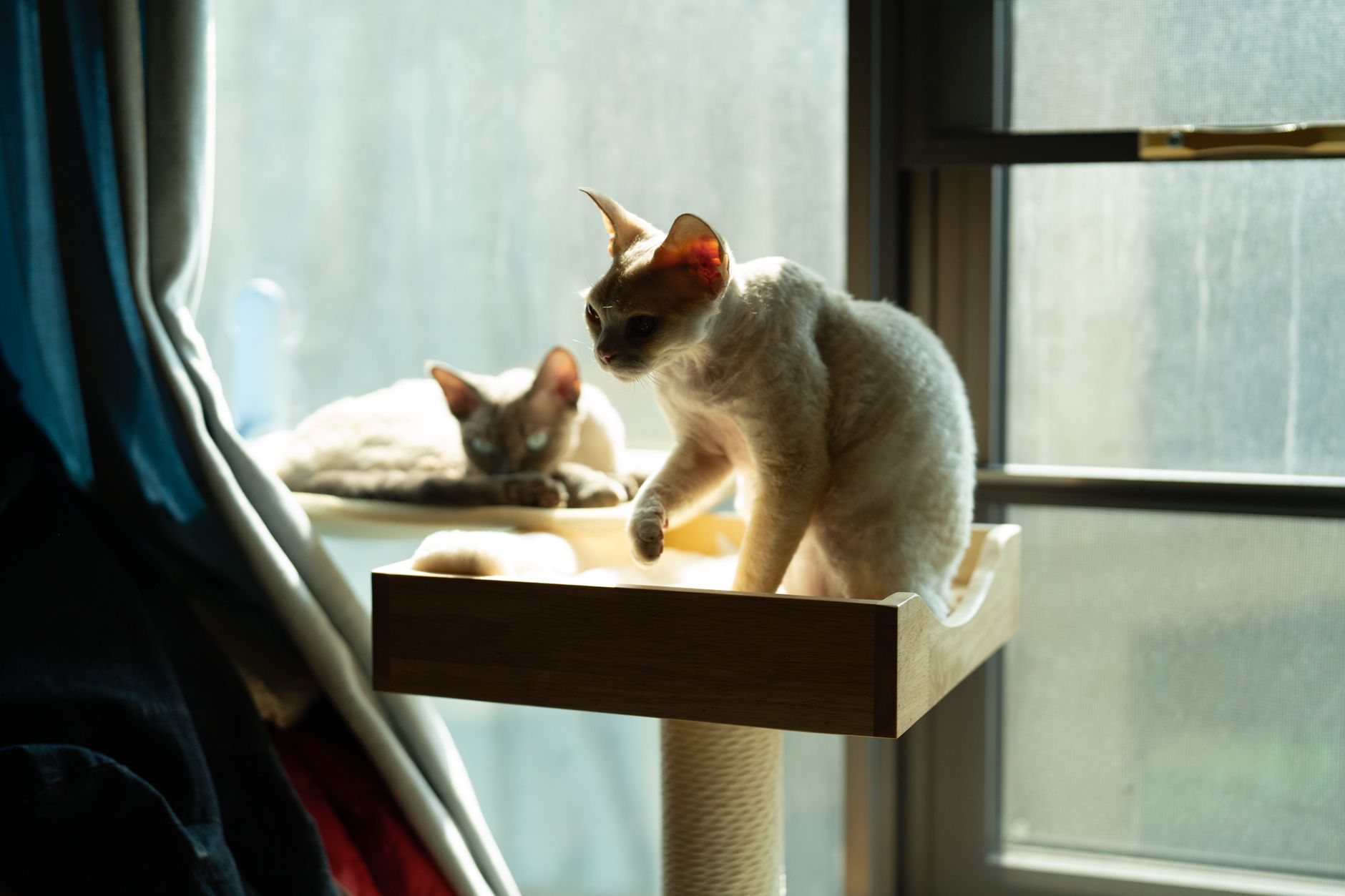
Window perches designed for heavier cats offer a practical solution for weight-conscious pet owners seeking an affordable way to give their cats vertical space. A budget-friendly option in this category can provide the basic functionality larger cats need—a secure place to perch, observe the outdoors, and escape to during stressful moments—without requiring a significant financial investment. Heavy cats benefit from elevated resting spots just as much as their lighter counterparts, though the engineering requirements are more demanding due to the additional load-bearing stress.
The appeal of an affordable window perch lies in addressing a specific gap in the market: most mass-market perches are designed with average-weight cats in mind, and heavier cats (particularly those over 12-15 pounds) can quickly exceed weight limits, leading to instability, wobbling, or eventual failure. When a perch is specifically engineered for heavier felines, it typically features a wider base, reinforced suction cups or mounting hardware, and materials that resist warping under sustained weight. A cat weighing 18 pounds placing its full weight on a standard perch designed for 10-pound cats creates a mechanical disadvantage that the original design cannot support.
Table of Contents
- What Makes a Window Perch Suitable for Heavy Cats?
- Material Quality and Durability Considerations for Heavier Use
- Installation and Safety for Heavier Cats
- Comparing Affordable and Premium Options for Heavy Cats
- Common Installation Problems and Weight-Related Issues
- Maintenance and Longevity Strategies
- Real-World Context for Window Perch Selection
- Frequently Asked Questions
What Makes a Window Perch Suitable for Heavy Cats?
Weight capacity is the most critical specification, but it’s often stated vaguely or omitted entirely on product listings. Perches marketed for heavy cats should list a maximum weight rating of at least 20 pounds to provide adequate safety margin—a 15-pound cat shouldn’t be placed on a perch rated for exactly 15 pounds, since movement, jumping, and repositioning add dynamic load. The material construction matters significantly: perches made from particle board or thin plywood can sag or splinter under sustained pressure from a heavier cat, while reinforced platforms using laminated wood or composite materials maintain shape over time.
The mounting system becomes more critical with heavier cats. Standard suction cups designed for lightweight perches may lose grip or develop micro-movements that gradually damage the window seal. Heavy-duty versions typically feature oversized suction cups (often 4-5 inches in diameter rather than 2-3 inches) and may include additional brackets or hardware for extra stability. A perch that moves even slightly when a 16-pound cat settles onto it will eventually fail and risk dropping the cat—a fall from a window frame to a floor below, even in a single story, can cause injury.
Material Quality and Durability Considerations for Heavier Use
The fabric or protective cover on an affordable perch is often where quality compromises show up first. Lower-cost options may use thin polyester or non-durable microfiber that pills, tears, or wears through within months under the friction of a heavy cat’s movement. More durable budget perches use thicker microsuede or faux fur that resists snagging and maintains its appearance—a meaningful difference when a cat is using the perch daily. The backing material that attaches to the window also matters; cheap adhesive or weak velcro loses stickiness quickly, requiring re-adjustment or replacement patches.
A significant limitation of budget-friendly perches is their reduced lifespan. An affordable perch might last 18-24 months with a heavy cat using it regularly, while a premium option might last three to five years. This doesn’t mean a budget perch is a poor choice—it may simply represent the value calculation of spending less money for a shorter service life rather than investing significantly more upfront. However, pet owners should be realistic about replacement costs over time rather than viewing a cheap perch as a permanent solution.
Installation and Safety for Heavier Cats
Proper installation directly impacts safety and longevity. A heavy cat requires the perch to be installed on a clean, dry window pane with no dust, film, or residue that would reduce suction cup grip. Windows with single-pane glass or thin glass may not provide adequate surface for secure mounting, particularly with heavier cats that create more force when settling or shifting position. Double-pane windows with thicker exterior panes are generally more suitable, though the glass must be in good condition without chips, cracks, or scratches that could compromise the seal.
Suction cup maintenance becomes essential with heavier cats. The cups should be checked weekly—not monthly—to ensure they remain fully sealed and show no signs of slipping or lifting at the edges. If a perch begins to move even slightly, it should be removed immediately, cleaned, and re-seated or replaced rather than left in a compromised state. A case where a perch failed catastrophically typically involved weeks of minor slipping that the owner noticed but didn’t address until the cat’s full weight caused a sudden drop.
Comparing Affordable and Premium Options for Heavy Cats
An affordable perch at the budget end of the market may cost $15-$25, while premium heavy-cat perches run $40-$75 or more. The difference often comes down to construction robustness, suction cup quality, and fabric durability rather than a dramatic difference in function. A budget perch provides a perch; a premium perch provides a perch that’s less likely to need replacement within a year. The trade-off is a personal one—some pet owners prefer replacing a cheaper option every 18-24 months rather than paying more upfront for a longer-lasting alternative.
Material choice affects this comparison significantly. Some affordable perches use particleboard that can sag within months under a heavy cat’s weight, while others use solid wood or compressed wood composites that hold up much better. Reading reviews from verified purchasers with heavy cats—those mentioning actual cat weights—provides more reliable guidance than specifications alone. A perch described by multiple reviewers as durable after six months of use by an 18-pound cat is a stronger indicator than manufacturer claims.
Common Installation Problems and Weight-Related Issues
One frequent problem is choosing a window location that’s too small or oddly shaped for the perch’s suction cups to grip evenly. Windows with muntins (the dividers between panes) may not have a clear enough flat surface directly adjacent to the main pane, causing uneven suction cup pressure. This issue is magnified with heavier cats; a lightweight cat might tolerate a slight tilt, but a heavy cat will immediately exploit any instability, potentially destabilizing the entire perch faster than with a lighter animal.
Another common limitation is the perch’s depth—budget options often have shallower platforms (4-5 inches front to back) compared to premium versions (6-8 inches). A heavier cat benefits from more platform depth to distribute its weight over a larger area and to allow natural positioning without the cat’s rear haunches hanging off the edge. A cat forced into an unnatural posture because the perch is too shallow may develop strain or simply refuse to use it, defeating the purpose of the purchase.
Maintenance and Longevity Strategies
Regular cleaning extends the life of any perch but becomes more important with budget options that may not resist staining as well. Vacuuming or lint-rolling the fabric monthly removes dust and debris that can degrade the material, and wiping suction cups with a dry cloth weekly maintains the seal quality.
Some owners periodically remove the perch entirely, clean both the glass and the suction cups thoroughly, and re-install, which can restore grip that has gradually diminished. Signs that a budget perch needs replacement include visible sagging of the platform, fabric tears or persistent staining, suction cups that won’t hold even after cleaning, or any creaking or movement when the cat settles onto it. With a heavy cat, ignoring these signs accelerates failure risk rather than merely reducing comfort.
Real-World Context for Window Perch Selection
A heavy cat relegated to ground-level activity all day lacks an essential enrichment outlet that lighter cats typically access through lighter-duty perches. For larger cats, an affordable perch is often the practical solution that improves quality of life relative to having no perch at all—a meaningful distinction even if the perch requires replacement sooner than a premium alternative would.
The value of a cat watching birds, squirrels, or outdoor weather patterns from a window perch is not diminished by the perch being budget-friendly, as long as it’s engineered appropriately for the cat’s weight and installed correctly. The decision to purchase an affordable perch should rest on honest assessment of how long the cat is likely to use it, how frequently the owner can monitor its condition, and whether replacement costs are acceptable if the perch fails earlier than a premium option would. A heavy cat that uses a window perch several hours daily will wear it faster than a cat that uses it occasionally, and this usage pattern should factor into the choice between budget and premium options.
- —
Frequently Asked Questions
What weight limit is safe for a budget window perch designed for heavy cats?
Look for perches rated for at least 20 pounds to ensure a safety margin. A cat should weigh 5-10 pounds less than the perch’s stated maximum capacity to account for dynamic movement and jumping forces.
How long will an affordable perch last with a heavy cat using it daily?
Budget perches typically last 18-24 months with regular heavy-cat use, compared to 3-5 years for premium options. Lifespan depends heavily on the cat’s exact weight, daily usage hours, and maintenance consistency.
Can I install a budget window perch on any window type?
Double-pane windows in good condition work best. Single-pane or thin glass may not provide secure suction cup grip for heavier cats. The window must be clean and dry for proper installation.
What should I do if the perch starts to slip or move?
Remove it immediately and don’t delay repairs or replacement. With heavy cats, even slight movement indicates the suction cups are losing grip, and continued use risks the perch dropping suddenly.
Is a budget perch worth buying if it won’t last as long as premium options?
Yes, if the cost difference is meaningful to your budget and you’re willing to replace it periodically. The enrichment benefit for a heavy cat justifies the expense even with a shorter lifespan.