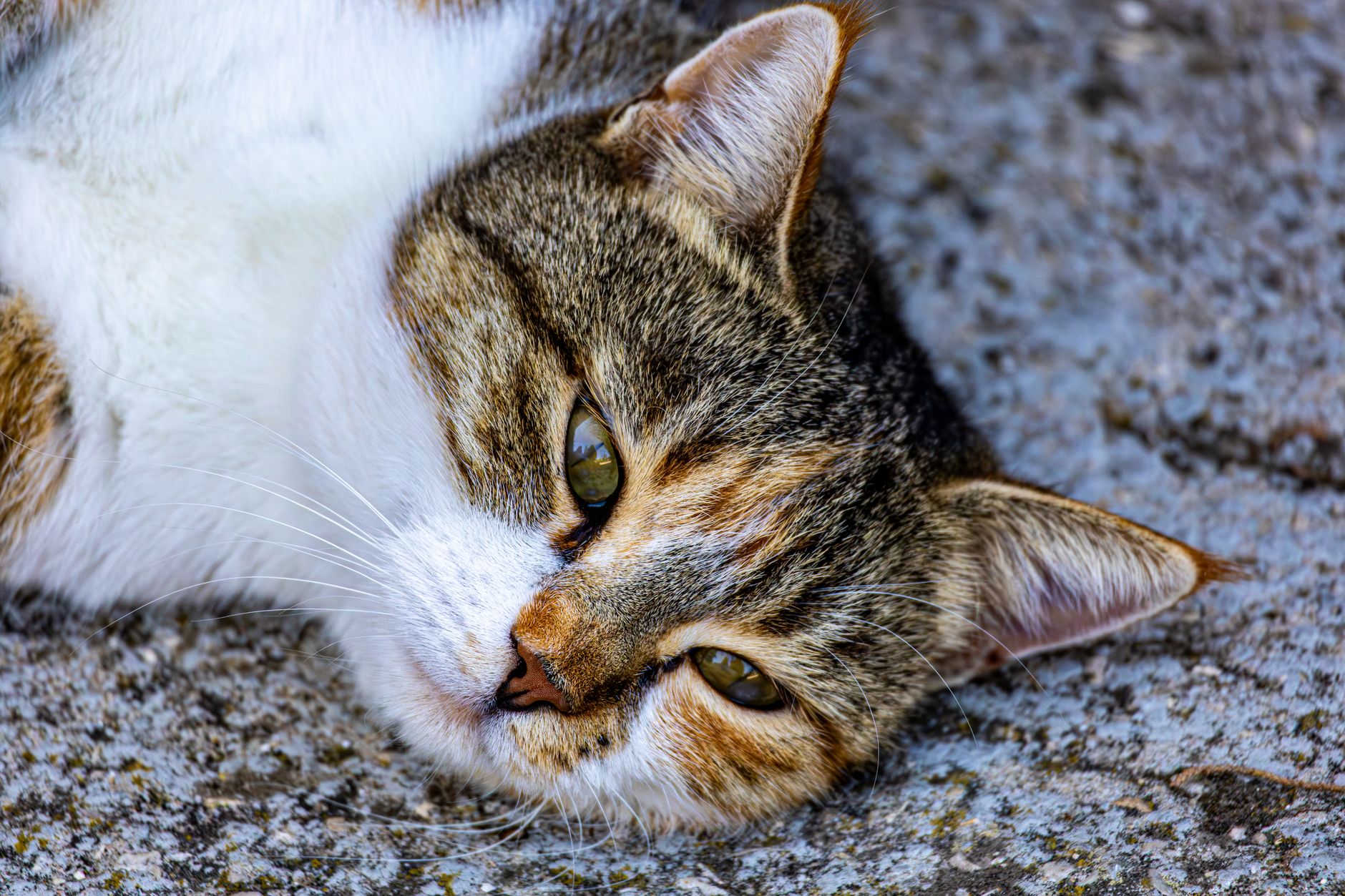
Cats avoid the litter box for six primary reasons: medical issues, inadequate box maintenance, unsuitable litter type, problematic location, stress or anxiety, and behavioral changes. When a cat suddenly stops using the litter box or begins eliminating outside it, the cause is almost always rooted in one of these categories, and identifying which one is the first step toward solving the problem. For example, a cat with a urinary tract infection may consistently avoid the box due to pain, while the owner assumes behavioral problems.
Understanding why your cat is rejecting the litter box requires patience and systematic investigation. This is not a discipline issue, and punishment will only increase stress and worsen the behavior. The good news is that once you identify the underlying cause, most litter box avoidance can be resolved through relatively simple adjustments to the cat’s environment or care routine.
Table of Contents
- Medical Issues That Drive Litter Box Avoidance
- Litter Box Cleanliness and Maintenance Problems
- Litter Type Preferences and Switching Problems
- Litter Box Location and Accessibility
- Stress, Anxiety, and Environmental Changes
- Behavioral Issues and Marking Behavior
- When to Seek Professional Help
- Frequently Asked Questions
Medical Issues That Drive Litter Box Avoidance
The first place to start when a cat begins avoiding the litter box is the veterinarian’s office. Conditions like urinary tract infections, kidney disease, arthritis, diabetes, and bowel disorders can make the act of using the litter box painful or uncomfortable. A cat with a UTI may associate the litter box with pain and begin eliminating elsewhere to avoid that discomfort.
Similarly, an older cat with arthritis might struggle with jumping into a high-sided box or digging in litter that requires flexibility and movement. Your veterinarian can perform urinalysis, blood work, and physical examinations to rule out medical causes. This step is non-negotiable before pursuing behavioral solutions, as treating the behavior while ignoring the underlying disease will never resolve the problem. One limitation to keep in mind is that some medical issues, particularly early-stage kidney disease or chronic urinary issues, may not show obvious symptoms beyond litter box avoidance, so your vet may recommend baseline bloodwork even if your cat otherwise seems healthy.
Litter Box Cleanliness and Maintenance Problems
cats are notoriously clean animals, and a dirty litter box is one of the most common reasons they refuse to use it. Most cats prefer a litter box that is scooped daily, with complete litter changes occurring at least weekly. If you have multiple cats, the rule of thumb is to provide one box per cat plus one extra, and each box should be scooped at least once daily.
A cat that has used a clean box and then returned to find it soiled may decide to find an alternative location rather than use a dirty one. The state of the litter box itself also matters—boxes that have absorbed urine and odor over months become less appealing to cats regardless of how frequently you scoop. Many veterinarians recommend replacing plastic litter boxes every year or two to prevent buildup of odor and bacteria in the plastic itself. A comparison worth noting is that some cats will tolerate a slightly dirtier box if it is spacious and accessible, while others will reject even a clean box if it feels cramped or confining.
Litter Type Preferences and Switching Problems
Cats can be particular about litter texture, scent, and composition, and a sudden change in litter brand or type is a common trigger for litter box avoidance. Some cats prefer fine-grained, clumping litter, while others favor larger pellets or paper-based alternatives. If you have switched litter brands recently, your cat’s avoidance may be a direct response to that change.
A specific example is a cat accustomed to scented litter who is suddenly switched to unscented; the unfamiliar smell and texture can cause the cat to reject the box entirely. If you must change litter types, do so gradually by mixing increasing amounts of the new litter with the old over the course of one to two weeks. The warning here is that some cats will never accept certain litter types—for instance, some cats dislike clay-based litters or strongly scented varieties regardless of how slowly the transition occurs. Experimenting with different litter types in separate boxes, rather than replacing the old litter entirely, can help you identify your cat’s true preference without creating an accidental avoidance situation.
Litter Box Location and Accessibility
The location of the litter box significantly influences whether a cat will use it consistently. Boxes should be placed in quiet, accessible areas away from food and water bowls, loud appliances, and high-traffic zones where the cat may feel vulnerable or threatened. A cat that must pass through a dog’s territory to reach the litter box may develop anxiety around using it and begin eliminating elsewhere. Similarly, a box located near a furnace, washing machine, or other loud appliance can startle a cat mid-use and condition it to avoid that location.
Accessibility is equally important, particularly for older cats, kittens, or cats with mobility issues. A litter box in the basement that requires navigating stairs, jumping up to a high platform, or squeezing through a narrow cat door creates barriers that some cats cannot or will not overcome. The practical tradeoff here is that while keeping the box in a discreet location preserves your home’s aesthetics, keeping it easily accessible to your cat takes priority. If you must place a box in an inconvenient location, consider installing a ramp, lowering the sides of the box, or providing multiple boxes in more convenient spots.
Stress, Anxiety, and Environmental Changes
Cats are sensitive to environmental stress, and major changes in the home—new pets, moving furniture, renovation noise, or changes in the owner’s routine—can trigger litter box avoidance. A cat experiencing stress may avoid the litter box because it has become associated with anxiety or because the cat is marking territory in response to perceived threats. One warning to heed is that stress-related avoidance can persist long after the original stressor is gone, as the cat may have formed a negative association with the box itself.
Creating a calm environment with hiding spaces, vertical territory, and consistent routines helps reduce stress-related avoidance. Some cats respond well to pheromone diffusers like Feliway, which mimic natural calming pheromones and can help anxious cats feel more secure. However, these products are not a substitute for identifying and addressing the source of the stress—they are a supportive tool, not a cure.
Behavioral Issues and Marking Behavior
Male cats in particular may avoid the litter box in favor of marking behavior, in which they spray urine on vertical surfaces to communicate and establish territory. This is distinct from simple litter box avoidance and is often triggered by the presence of another cat, either in the home or detected outside through windows or doors.
A neutered or spayed cat can still exhibit marking behavior, particularly if that behavior was established before surgery or if the cat is responding to external territorial threats. Addressing marking behavior requires a different approach than fixing litter box avoidance caused by other factors. In addition to litter box maintenance, this may involve blocking the cat’s view of outdoor cats, using additional litter boxes in high-traffic areas, or consulting a veterinary behaviorist for medication or behavioral modification strategies.
When to Seek Professional Help
If you have addressed medical issues, litter box cleanliness, litter type, location, and environmental stress without success, it may be time to consult a veterinary behaviorist or certified animal behavior consultant. These professionals can observe your cat’s behavior in context and identify subtle triggers or patterns that are not immediately obvious.
A behaviorist can also rule out less common causes and develop a customized plan that addresses your specific cat’s needs. Document your cat’s avoidance patterns—where the cat is eliminating, how often, what litter boxes are available, and any recent changes in the home or routine. This information will help a professional identify the underlying cause and recommend appropriate interventions.
Frequently Asked Questions
How many litter boxes should I have if I own one cat?
The standard recommendation is one box per cat plus one extra. For a single cat, this means at least two boxes, preferably placed in different locations.
Can I punish my cat for avoiding the litter box?
No. Punishment increases stress and anxiety, which typically makes litter box avoidance worse. Cats do not understand punishment as correction; they only learn to fear the person administering it.
How long does it take to transition a cat to a new litter type?
Most cats adapt within one to two weeks if the transition is gradual. Mix increasing amounts of the new litter with the old, monitoring your cat’s behavior throughout.
Is litter box avoidance always a sign of a medical problem?
No, but medical issues should always be ruled out first. Once medical causes are excluded, behavioral and environmental factors are the most likely culprits.
Should I clean the litter box with bleach or other strong cleaners?
Harsh cleaners can leave scents that deter cats. Use mild soap and water, or enzymatic cleaners designed for pet messes, which break down odor-causing compounds.
What should I do if my cat avoids only one litter box but uses others?
The rejected box may have a scent issue, be in an undesirable location, or be less comfortable than the others. Try moving it, replacing it, or changing the litter type in that specific box.