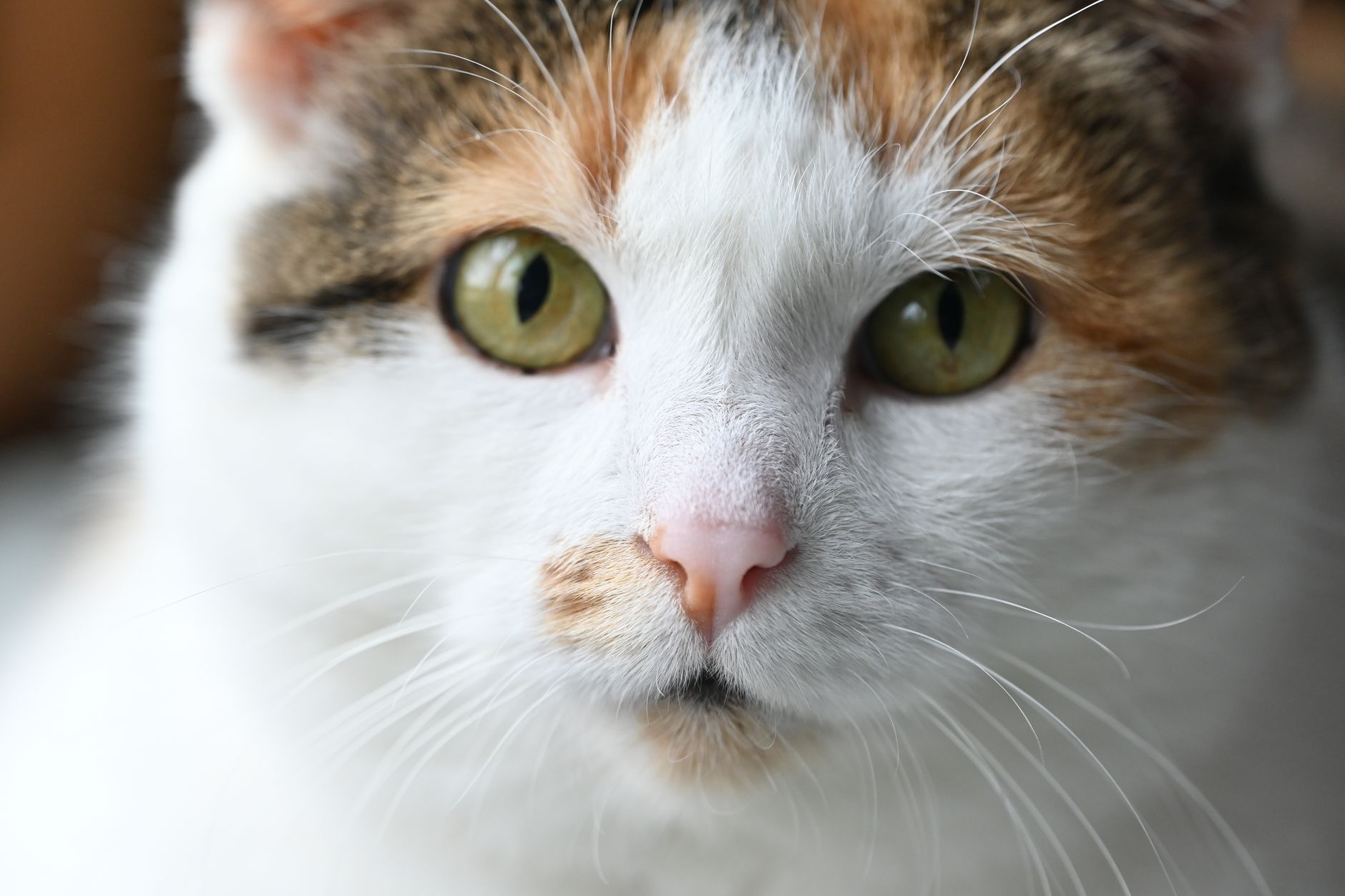
Cat coat colors stem directly from genetics, specifically the genes that control melanin production and distribution in their fur. Each kitten inherits genes from both parents that determine whether they’ll be black, orange, gray, white, or some combination thereof. The visible coat color you see is the result of these inherited genes expressing themselves through the cat’s development, similar to how human eye or hair color is inherited, but with unique patterns specific to felines. The genetics of cat coat color is surprisingly complex because multiple genes work together to create the full spectrum of colors and patterns. While a single gene might determine whether a cat is orange or not orange, other genes control which colors are actually expressed, where stripes or spots appear, and whether the coat will be solid or multicolored.
This is why you can breed two gray cats and still get orange kittens—the orange gene may have been hidden in both parents, waiting for the right combination to reveal itself. A practical example: when a calico cat appears, you’re seeing the direct result of specific genetics. Calico cats are almost always female because the genes controlling orange and black colors live on the X chromosome. Females have two X chromosomes, so they can display both colors. Males, with only one X chromosome, can carry only one color gene and are calico only in extremely rare genetic situations.
Table of Contents
- How Feline Coat Color Genetics Work at the Chromosomal Level
- Dominant and Recessive Traits in Cat Coat Color Inheritance
- Specific Coat Colors and Their Genetic Basis
- Understanding Color Predictability When Breeding Cats
- Epistasis and Genetic Masking in Feline Coat Color
- Environmental Factors and Developmental Timing in Coat Expression
- Breeding Outcomes and Understanding Genetic Surprises
- Frequently Asked Questions
How Feline Coat Color Genetics Work at the Chromosomal Level
cats have 19 pairs of chromosomes, and coat color genes sit on multiple locations across these pairs. The primary gene controlling basic cat color is called the ASIP gene, which determines whether a cat will display color or red/orange. Another crucial gene, the TYR gene, influences whether colors appear in their full intensity or in a dilute form—this is why some cats are black while others are blue-gray (a dilute black). The combination of these genes creates the foundational color that you observe. Sex-linked inheritance complicates things further because certain genes live on the X chromosome. Male cats only need one copy of a gene to express it, while female cats need two copies to display that trait fully.
This is why red or orange cats are predominantly male. If a red gene is present on a male’s single X chromosome, he will be red. Females need two copies of the red gene to be fully red, which happens when both parents contribute red genes. The interaction between genes is where coat color becomes truly intricate. A cat might genetically be black underneath, but if it carries the white spotting gene, white patches will appear across its body. If a cat carries both black and orange genes plus the white spotting gene, you get a calico or tortoiseshell pattern. These patterns follow predictable inheritance rules, but the visual result can seem random to people unfamiliar with genetic combinations.
Dominant and Recessive Traits in Cat Coat Color Inheritance
Some coat color genes are dominant, meaning only one copy from either parent is needed to express that trait, while others are recessive and require two copies. The orange color gene is dominant, which means a cat with even one orange gene will show orange coloring to some degree. Black coloring is controlled by a recessive gene, so a cat needs two copies of the black gene to appear fully black; otherwise, the dominant orange gene will override it. White coloring is controlled by the white spotting gene, which is dominant. A single copy creates patches of white, while two copies can result in an all-white cat.
A critical limitation here is that the white gene, particularly when homozygous (present in two copies), is associated with deafness in some cats. White cats with blue eyes are more prone to congenital deafness than white cats with other eye colors. This is a real inherited concern that breeders and adopters of white cats should be aware of, as it’s not simply a cosmetic trait but can affect the cat’s quality of life. Recessive genes like the blue (dilute) gene can hide in a cat’s genetic makeup for generations. A cat might be orange-colored but carrying a hidden blue gene, and if that cat mates with another cat also carrying a blue gene, the offspring might express the dilute blue color even though neither parent appeared blue. This explains why genetics can produce surprising results in litters.
Specific Coat Colors and Their Genetic Basis
The orange or red color in cats comes from pigment production in the form of pheomelanin, which is warm-toned and appears across the orange color spectrum. The genes controlling this are well-studied, and orange is one of the most straightforward colors to predict when breeding. Male orange cats can have this color only from their mother (since they have one X chromosome), while females can inherit it from either parent. Black cats are often referred to as having “non-agouti” genetics, meaning they lack the agouti gene that creates the striped or tabby pattern. A black cat is genetically tabby but the non-agouti gene masks the stripes, creating a solid appearance.
This is why some black cats will show faint ghost stripes in certain lighting conditions—the tabby pattern is still there genetically, just hidden phenotypically. Gray or blue cats are black cats that carry the dilute gene, which reduces the pigment intensity and creates that soft, silvery appearance. White cats are particularly interesting because the white color itself is often not about pigment at all—it’s about the absence of pigment in certain areas or the entire coat. Some white cats are genetically colored but the white gene masks all visible color. Others are white due to the epistatic white gene that overrides all other color genes. When a white cat produces colored kittens, you’re seeing the hidden genes expressed in the offspring.
Understanding Color Predictability When Breeding Cats
While you can’t predict every kitten’s color with absolute certainty, understanding your breeding cats’ genetic makeup significantly improves your ability to forecast the litter. If both parents are black non-agouti, all kittens will be black because both parents can only pass non-agouti genes. If one parent is orange and one is black, the sex of each kitten will strongly determine its color—males could inherit either orange or black, while females must inherit one orange and one black gene, making them calico or tortoiseshell. Breeders often test for hidden genes using genetic testing. A cat might appear orange but carry a hidden dilute gene, and a genetic test will reveal this.
This allows breeders to make informed decisions about which cats to breed together if they want specific colors in the litter. However, even with genetic testing, the exact expression and distribution of color remains variable. Two parents with identical genetics for coat color might produce kittens with noticeably different color saturation or pattern intensity. The practical tradeoff is between predictability and genetic diversity. If you breed only cats with the most predictable, simple genetics, you limit the genetic diversity in your breeding line. If you introduce more genetic complexity to improve diversity and health, you lose some ability to predict coat color outcomes in litters.
Epistasis and Genetic Masking in Feline Coat Color
Epistasis is when one gene masks or modifies the expression of another gene, and it’s a major factor in cat coat color that often surprises people. The white gene is epistatic—it covers up or masks other color genes, so you can’t see what color is underneath. A white cat might be genetically black, orange, gray, or anything else, but the white covers everything. This is why white cats of unknown genetics can produce offspring in a variety of colors when bred. Another example of epistasis is the dilute gene’s effect on orange color. When a male orange cat carries the dilute gene, he appears cream-colored rather than bright orange.
The dilute gene doesn’t change what he is genetically—he’s still orange—but it modifies how that orange appears visually. The same applies to other colors; dilute modifies the expression but doesn’t change the underlying genetic code. A significant limitation here is that hidden genes create uncertainty. A solid-colored cat of any color could be carrying multiple hidden genes that won’t appear until mated with a partner who also carries those genes. You might adopt or purchase a gray kitten expecting certain genetic traits only to discover later that hidden genes produce unexpected results if breeding occurs. This is why genetic testing before breeding is becoming more common among responsible breeders.
Environmental Factors and Developmental Timing in Coat Expression
While genetics determine the potential for coat color, developmental timing during a cat’s early life influences how that color expresses. Siamese and related breeds display temperature-sensitive coloration, where cooler parts of the body develop darker pigment than warmer parts. This is not a genetic difference but rather the environment (body temperature) affecting how the genes are expressed.
A Siamese kitten is born largely white and develops points—darker coloring on the ears, face, paws, and tail—as it grows and its body temperature regulation becomes established. Some cats’ coat colors also change subtly as they mature. Orange tabbies might develop darker or lighter appearance over their first few years. This doesn’t mean the genetics changed; it means the pigment density and distribution are still stabilizing as the cat fully develops.
Breeding Outcomes and Understanding Genetic Surprises
When two particular-colored parents produce offspring that don’t match either parent’s color, it’s not magic—it’s recessive genes expressing themselves. A gray cat and an orange cat might produce a black kitten if both parents carried hidden black genes and the kitten inherited two copies of the black gene plus no orange gene expression. These surprises reveal that both parents had more genetic information than their visible appearance showed.
The inheritance of tabby patterns follows similar rules, with some patterns being dominant and others recessive. A solid-colored cat might carry a recessive tabby gene and produce tabby offspring, even though the parent is not visibly tabby. Understanding this helps explain why shelter cats and street cats show such diversity in coat patterns—generations of random mating shuffle and reshuffle these genetic combinations, producing every possible outcome.
Frequently Asked Questions
Can two black cats produce orange kittens?
No. Black cats would each need to carry at least one copy of the black gene. Orange is controlled by a different gene, and both parents would need to carry hidden orange genes to produce orange offspring, which is possible but rare depending on the cats’ full genetic background.
Why are orange cats usually male?
The orange color gene is located on the X chromosome. Males have one X chromosome, so a single orange gene makes them orange. Females need two copies of the orange gene (one on each X chromosome) to be fully orange, making it less common in females.
Can two white cats produce colored kittens?
Yes, if both white cats carry hidden color genes. A white cat might be genetically black, gray, or orange underneath. When two white cats mate, their hidden genes can combine and express in colored offspring.
Is a calico cat always female?
Nearly always. Calico coloring requires both orange and black genes, which exist on the X chromosome. Females can carry both. Males have only one X chromosome and would need an extra X chromosome (a rare genetic event called XXY) to be calico.
Can genetics predict a kitten’s exact coat color?
Genetics can predict the range of likely colors based on parents’ genetics, but exact color expression varies due to epistasis, environmental factors during development, and genetic recombination. Genetic testing of parents provides better predictability than appearance alone.
Why do some black cats show stripes in sunlight?
Black cats are genetically tabby cats with the non-agouti gene masking the stripes. The tabby pattern still exists in the genetics; strong lighting sometimes makes faint ghost stripes visible. This is purely visual and doesn’t indicate a change in genetics.