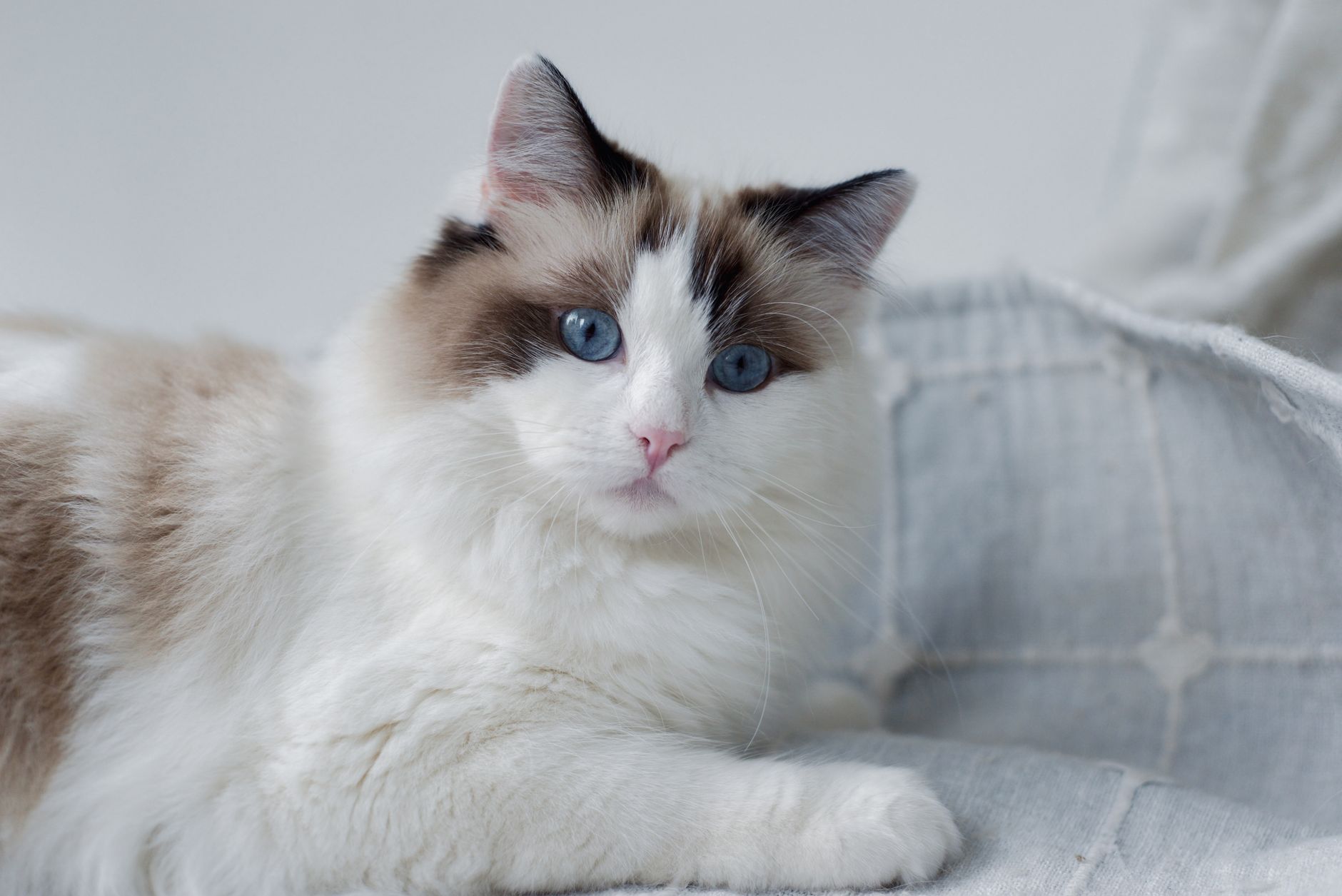
Brown Ragdoll cats display their striking coloring due to a recessive gene mutation affecting melanin production, creating the characteristic chocolate, seal, and lilac colorations within the breed. This genetic trait is what distinguishes brown Ragdolls from their blue-pointed counterparts, and understanding how this coloration is inherited requires knowledge of feline coat color genetics. Unlike some breeds where brown is simply a standard variation, brown Ragdolls represent a specific genetic expression that breeders must deliberately select for to produce reliably. The brown coloration in Ragdolls emerges from the presence of the recessive chocolate (brown) allele at the B locus, which reduces the pigment in the cat’s fur and extremities.
A cat must inherit two copies of this allele—one from each parent—to display brown coloring. For example, a seal Ragdoll carrying one chocolate allele paired with a seal allele will appear seal-colored on the surface but can pass the brown gene to offspring. This hidden genetic potential means that two seal-point Ragdolls can produce brown kittens if both parents carry the recessive brown gene. The brown family of Ragdoll colors includes chocolate point, lilac point, chocolate lynx point, and lilac lynx point varieties, each representing different combinations of brown genetics with other coat pattern genes. Understanding these genetic pathways helps both breeders and potential owners predict what colors may appear in a litter.
Table of Contents
- How Does the Chocolate Gene Create Brown Coloring in Ragdolls?
- The Relationship Between Dilution and Brown Coloring
- How Brown Coloring Expresses in Ragdoll Kittens
- Breeding for Consistent Brown Coloring in Ragdolls
- Color Fading and Other Challenges in Brown Ragdoll Coloring
- The Difference Between Chocolate and Lilac Genetics
- Color Genetics and Breed Standard Compliance
- Frequently Asked Questions
How Does the Chocolate Gene Create Brown Coloring in Ragdolls?
The brown coloration in Ragdolls originates from a mutation in the TYRP1 gene, which controls the production of eumelanin (the pigment responsible for brown and black colors). When a cat inherits two copies of the recessive chocolate allele, the enzyme produced by this gene functions improperly, resulting in a dilution of brown pigment into the warmer chocolate tones seen in brown-point Ragdolls. The mechanism is straightforward at the genetic level: dominant genes for seal coloring (which produce intense dark pigment) are overridden when two recessive brown alleles are present.
The visual difference between seal and chocolate Ragdolls illustrates this principle clearly. A seal-point Ragdoll displays deep, almost black-brown coloring on the points—the face, ears, legs, and tail—while the body remains cream-colored. A chocolate-point Ragdoll shows the same pattern distribution but with warmer, milk-chocolate tones on the points instead of the intense seal-brown. This difference emerges entirely from the presence of the recessive chocolate allele rather than from any environmental factor or age-related change.
The Relationship Between Dilution and Brown Coloring
Beyond the primary brown gene, Ragdoll brown coloring is further modified by the presence of dilution genes that can lighten the chocolate pigment even further. When both the brown gene and the dilution (d) gene are present together, the result is lilac coloring—a paler, more muted version of chocolate that some describe as grayish-mauve or pinkish-gray.
A lilac-point Ragdoll essentially represents a diluted version of the chocolate-point pattern, and breeders must understand this interaction to predict litter outcomes accurately. One important limitation to recognize is that dilution genes can occasionally produce unexpectedly pale or washed-out colorations that fall outside breed standards, particularly when multiple dilution alleles are present. Breeders working toward consistent chocolate and lilac colors must carefully track not just the brown gene, but also the presence of dilution alleles in their breeding cats to avoid producing kittens that fail to meet the breed standard’s color intensity requirements.
How Brown Coloring Expresses in Ragdoll Kittens
Brown Ragdoll kittens are born almost entirely white or cream-colored, with the color gradually developing over the first weeks and months of life. This temperature-sensitive color development occurs because Ragdoll coloring is controlled by a thermoregulatory gene that restricts pigment production to the cooler areas of the body—the extremities and face. In brown kittens, this means the rich chocolate or lilac tones don’t fully emerge until several weeks have passed, and the full adult coloration may not be complete until the cat reaches six months to one year of age.
A specific example of this developmental progression can be seen in chocolate-lynx-point kittens, which are born nearly white with perhaps the faintest ghost tabby stripes visible. By two weeks old, subtle brown tabby markings appear on the points. By eight weeks, the chocolate color is clearly visible but still lighter than the adult coloring will be. The final, richest chocolate tone doesn’t fully develop until closer to one year, meaning breeders and new owners cannot assess the final coloration quality of a brown kitten until well into its first year of life.
Breeding for Consistent Brown Coloring in Ragdolls
Breeders who want to produce brown Ragdoll kittens must strategically select breeding cats that carry the brown allele, whether visibly or hidden. When two brown-point Ragdolls are bred together, all offspring will display brown coloring since both parents can only pass brown alleles. However, breeding a brown Ragdoll with a seal Ragdoll produces a 50-50 chance: offspring will be either brown-point or seal-point depending on whether they inherit one brown allele (seal appearance, but brown carrier) or the seal allele (true seal coloring).
This simple Mendelian inheritance pattern is straightforward to understand but requires careful record-keeping and genetic knowledge to execute well. The tradeoff in focusing exclusively on brown coloring is that breeders must ensure they’re not inadvertently limiting genetic diversity or selecting for other undesirable traits in pursuit of brown coloration. Responsible breeders consider the full genetic health profile and not just coat color, screening for conditions like hypertrophic cardiomyopathy (HCM) and kidney disease that can run in certain bloodlines, regardless of the color genes those lines carry.
Color Fading and Other Challenges in Brown Ragdoll Coloring
Brown Ragdolls, particularly chocolates and lilacs, can experience color fading as they age, especially in bright sunlight or with certain dietary deficiencies. The chocolate tones may gradually lighten to a more muted tan or brownish shade as the cat matures beyond its first couple of years. This fading is not a sign of poor breeding or health problems but rather a natural aging process that affects warm color tones more noticeably than darker seal tones.
A chocolate-point Ragdoll in its prime third year may show noticeably lighter points than the same cat displayed as a first-year kitten. One important warning for owners is that excessive sun exposure can accelerate color fading in brown and lilac Ragdolls, so keeping your brown-point cat indoors or limiting direct sun exposure on their pointed areas can help preserve the color intensity that made you fall in love with the breed. Additionally, some foods high in certain minerals and vitamins—particularly iodine—can affect pigmentation, though high-quality commercial cat foods formulated for Ragdolls should provide proper nutritional balance.
The Difference Between Chocolate and Lilac Genetics
While both chocolate and lilac are brown-based colorations, lilac represents a genetically distinct expression. A lilac-point Ragdoll carries both the brown allele and two copies of the dilution allele, making it double-dilute. Chocolate-point Ragdolls carry the brown alleles but have at least one dominant (dense) allele at the dilution locus.
This genetic distinction means breeding two lilac cats will produce only lilac or cream-point offspring, while breeding lilac with chocolate may produce either color depending on the chocolate parent’s dilution genes. The visual appeal of lilac Ragdolls has made them increasingly popular in recent years, even though chocolate remains more common in many breeding programs. Some owners prefer the softer, more subtle appearance of lilac coloring compared to the warmer tones of chocolate.
Color Genetics and Breed Standard Compliance
The Cat Fanciers Association (CFA) and The International Cat Association (TICA) recognize chocolate, lilac, chocolate-lynx, and lilac-lynx Ragdolls as acceptable color patterns within breed standards. However, the standards do specify preferred color intensity and distribution, which means a brown Ragdoll kitten that emerges with unusually pale coloring, inadequate point definition, or color distributed beyond the typical facial mask, ears, legs, and tail areas may not qualify for show competition even though it is genetically and physically healthy. Understanding these genetic basics helps owners and prospective buyers make informed decisions about brown Ragdolls, whether selecting a breeding cat, entering a kitten in a show program, or simply appreciating the inheritance patterns that created their own brown-point companion.
Frequently Asked Questions
Can two seal-point Ragdolls have brown kittens?
Yes, if both parents carry the recessive brown gene. The kitten would need to inherit the brown allele from each parent to display brown coloring.
How long does it take for brown coloring to fully develop in Ragdoll kittens?
Brown Ragdoll kittens are born nearly white and gradually develop their full chocolate or lilac coloring over several months, with complete color development typically occurring by six to twelve months of age.
What’s the difference between chocolate and lilac Ragdolls genetically?
Both carry the brown gene, but lilac Ragdolls also carry two copies of the dilution gene, which lightens the chocolate to a muted grayish-mauve tone, while chocolate cats have at least one dominant (dense) allele.
Does sun exposure affect brown Ragdoll coloring?
Yes, excessive sunlight can cause color fading in brown and lilac Ragdolls over time, making the points appear lighter and less vibrant than they were when younger.
Are brown Ragdolls rare?
While less common than blue-point and seal-point Ragdolls, brown colorations are well-established within the breed and recognized by major cat associations.