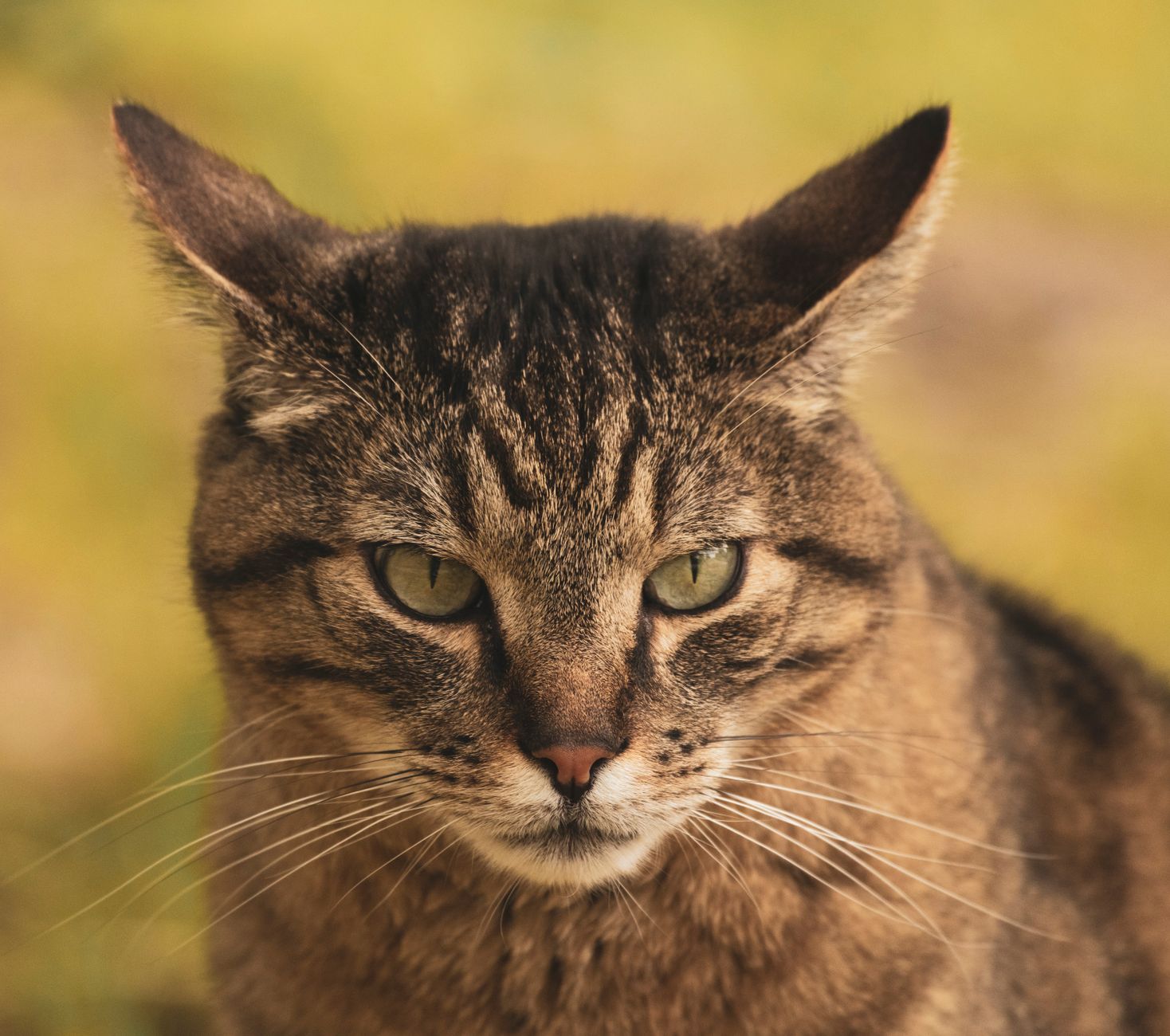
Cats and dogs forming genuine friendships have become an enduring phenomenon on social media, with countless videos and photos showcasing these interspecies bonds. When a tabby cat and dachshund pair connect, it captures something fundamental that resonates with pet owners: the defiance of the age-old “cats and dogs” rivalry. These moments gain traction because they counter our cultural expectations about feline-canine dynamics. A tabby and dachshund friendship illustrates not only that these animals can coexist peacefully but that they may actively seek companionship from each other, which contradicts what many people assume about their compatibility.
The appeal of such content lies partly in its rarity value and partly in what it reveals about animal behavior. Pet owners often underestimate their cats’ capacity for social attachment outside their own species, viewing cats as inherently solitary or territorial. A tabby engaging playfully or protectively with a dachshund challenges that narrative and provides reassurance to households that already have multiple species living together. These friendships don’t emerge from training or forced interaction; they develop when individual personalities align and environmental conditions support cohabitation.
Table of Contents
- Why Do Tabby Cats and Small Dog Breeds Click?
- The Science Behind Cross-Species Bonds in Domestic Animals
- How Tabby Cats Display Affection Toward Canine Companions
- Setting Up Your Own Tabby and Small Dog Household Successfully
- Common Pitfalls When Introducing Tabby Cats to Dachshunds
- The Role of Individual Temperament Over Breed Traits
- Why These Moments Resonate Beyond Pet Owners
Why Do Tabby Cats and Small Dog Breeds Click?
tabby cats and dachshunds share certain characteristics that can facilitate bonding. Both breeds tend to have strong personalities and moderate to high energy levels, creating common ground for play and interaction. Tabbies, regardless of their pattern, are typically more social than less-marked domestic cats, and many show curiosity rather than aggression toward other animals. Dachshunds, bred historically to pursue prey into tight spaces, often possess prey drive and boldness that doesn’t automatically translate to hostility toward cats; instead, their compact size and lower stature can make them less threatening to a cat’s perception of personal space.
The personality match matters more than breed specifics. A tabby with a history of socialization and a dachshund with impulse control can develop genuine companionship where a less-compatible pairing might remain tense. Size dynamics play a role too—a dachshund is small enough that a tabby doesn’t perceive it as a physical threat, yet substantial enough to play without injury. This middle ground often permits gradual familiarity to develop into actual affection, where the pair seek each other’s company for warmth, grooming, or joint napping.
The Science Behind Cross-Species Bonds in Domestic Animals
Animal behavior researchers have documented that domestic animals can develop oxytocin-based bonds similar to those they form with their own species, though the mechanics differ slightly. When a cat and dog live together from a young age or are introduced carefully during sensitive periods, neural pathways associated with social bonding activate for both species. A tabby’s brain, when exposed repeatedly to a non-threatening dachshund, can recategorize that dog as a social partner rather than a potential competitor or prey.
However, one significant limitation is that not all cats and dogs will bond, regardless of breed or circumstance. A tabby with low socialization or a traumatic past may view a dachshund as an intrusion regardless of that dog’s gentle temperament. Dachshunds with particularly high prey drive may fixate on any feline movement, creating stress even if the cat initially seemed receptive. The viral appeal of successful friendships sometimes obscures the months of patient management, appropriate training, and sometimes veterinary behaviorist guidance that can be required to establish safety and trust in multi-species households.
How Tabby Cats Display Affection Toward Canine Companions
Tabby cats show attachment to dogs through specific behavioral signals that differ from their interactions with humans or other cats. Slow blinks directed at a dachshund, rubbing against that dog’s body, or grooming the other animal’s head or ears are all indicators of genuine fondness. Some tabbies will position themselves near a sleeping dachshund, adopting mirror postures that suggest comfort in close proximity.
Play behavior—pouncing in a controlled manner, initiating chase games, or batting with sheathed claws—indicates the tabby views the dachshund as a legitimate social companion rather than a threat or toy. A striking example of tabby-canine affection involves cats that deliberately interrupt their own activities to check on a dachshund, similar to how they might monitor their human caregiver. If a tabby walks across a room to investigate why a dachshund is distressed or approaches the dog during feeding time to offer a welcoming presence, those behaviors reflect genuine emotional investment. The tabby is managing the relationship, which is quite different from mere tolerance.
Setting Up Your Own Tabby and Small Dog Household Successfully
Creating conditions where a tabby and dachshund can thrive together requires deliberate planning and ongoing management. The introduction process should span weeks rather than days, with initial contact limited to visual separation, then gradual supervised interaction only when both animals display calm behavior. Provide the tabby with vertical escape routes—cat trees, shelves, or high furniture—so the cat never feels cornered by the dachshund.
This architectural safety allows the cat to control the pace and distance of contact, which is essential for building voluntary affiliation rather than forced cohabitation. The tradeoff involved in managing a household with both species is that freedom of movement becomes slightly more structured. You cannot simply leave them unsupervised during the bonding phase; you must separate them when you’re absent or unable to monitor, which requires multiple litter boxes, food stations, and access points to prevent territorial disputes. However, the reward—a genuinely companionable household where your tabby and dachshund provide enrichment for each other—often justifies the additional logistics.
Common Pitfalls When Introducing Tabby Cats to Dachshunds
One frequent mistake is moving too quickly through introduction stages, assuming that passive tolerance means the animals are bonded. A tabby that sits quietly near a dachshund may simply be frozen in stress rather than comfortable. True bonding emerges gradually, through the cat approaching the dog voluntarily, initiating grooming or play, and seeking proximity repeatedly over time. Rushing this process can result in a cat that learns to hide or a dachshund that develops prey focus, potentially requiring separation for safety.
Another limitation in multi-species households is that supervision fatigue can lead to overlooked warning signs. A dachshund’s mild stalking behavior—low posture, intense focus—might seem playful but could escalate if the tabby shows signs of anxiety like tail tucking or ear pinning. Pet owners sometimes dismiss these early signals as harmless until an incident occurs. Regular reassessment of both animals’ stress levels and body language prevents emergencies but requires consistent attention that not all households can maintain, making this an honest consideration before bringing two species into one home.
The Role of Individual Temperament Over Breed Traits
While breed tendencies provide useful frameworks, individual temperament is the true determinant of whether a tabby and dachshund will befriend. A calm tabby with a confident, high-prey-drive dachshund may still develop a solid friendship if the dog’s natural intensity doesn’t trigger the cat’s defensive responses.
Conversely, an anxious tabby with a gentle, older dachshund might never fully relax around the dog despite the dog posing no actual threat. One household’s success story cannot be replicated by simply adopting the same breeds; the unique personalities involved matter most.
Why These Moments Resonate Beyond Pet Owners
Content featuring tabby-dachshund friendships appeals broadly because it humanizes animals and challenges cynicism about cross-category relationships. For people living in conflict with others, a viral video of two different species coexisting peacefully offers a narrative template for reconciliation.
Pet owners specifically relate because they navigate the genuine complexity of multi-animal households—the resource management, the personality conflicts, and the occasional harmony—in ways that non-pet owners may never experience. The relatability isn’t just about the animals; it’s about the caretaking work required to allow that harmony to exist.