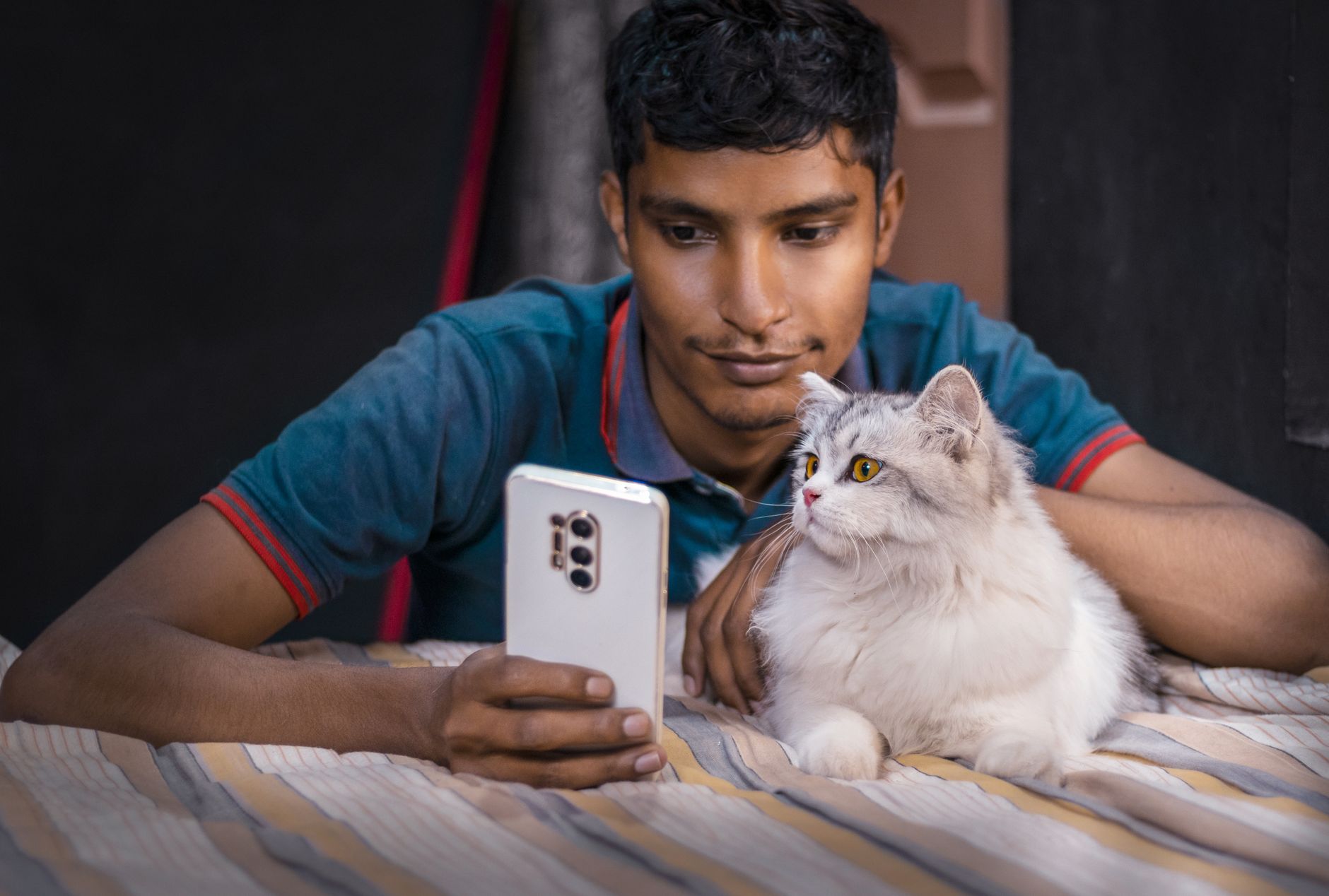
Pumpkin, a tabby rescue cat who captured the hearts of thousands online through social media, has finally transitioned from viral sensation to beloved family pet. The journey from shelter life to a permanent home highlights the transformation that many rescue cats experience once they receive proper care, attention, and the stability of a committed family. Pumpkin’s story exemplifies how internet visibility can sometimes accelerate adoption outcomes, though the real work of adjustment happens quietly behind closed doors.
What made Pumpkin’s case particularly resonant was the documented process of rehabilitation. The rescue organization that cared for her shared consistent updates showing her gradual behavioral improvements, from initial fearfulness to playfulness and affection. This transparency revealed what prospective adopters rarely see: the time and patience required to help traumatized shelter cats rebuild trust in humans.
Table of Contents
- Why Do Viral Rescue Cat Stories Matter for Adoption Outcomes?
- Understanding the Real Challenges of Rescue Cat Adoption
- The Role of Rescue Organizations in Successful Placements
- Preparing Your Home for a Rescue Cat’s Arrival
- Common Post-Adoption Surprises and Medical Considerations
- Building Long-Term Trust With a Rescue Cat
- Supporting Rescue Organizations Beyond Adoption
Why Do Viral Rescue Cat Stories Matter for Adoption Outcomes?
Social media exposure has become an unexpected driver of shelter adoptions, with cats like Pumpkin demonstrating tangible benefits beyond simple publicity. When potential adopters see a specific cat’s personality develop over weeks or months through posted updates, they develop genuine attachment before ever meeting the animal in person. This contrasts sharply with traditional shelter adoptions, where people often make split-second decisions based on a brief enclosure visit. However, viral status creates distinct pressures.
Some adopters pursue viral cats specifically for social media content rather than genuine care commitment. Pumpkin’s adoptive family reportedly sought the cat because of a personal connection to her individual personality, not because of follower counts. The distinction matters: rescue organizations have learned to screen potential adopters of high-profile animals more carefully, asking detailed questions about lifestyle, household dynamics, and motivations. This additional vetting helps ensure the cat’s safety post-adoption rather than becoming the subject of neglect or re-surrender once the initial excitement fades.
Understanding the Real Challenges of Rescue Cat Adoption
Rescue cats often arrive in homes with undocumented or traumatic backgrounds, making their behavioral needs unpredictable. Pumpkin’s transition period likely included common adjustment issues: hiding for extended periods, reluctance to eat, or stress-related litter box avoidance. Many adopters underestimate how long recovery takes. A cat may require two to four weeks simply to stop hiding and explore a single room, and several months before demonstrating their true personality.
A significant limitation many new adopters face is the assumption that love alone resolves behavioral problems. While affection and consistency help immensely, some rescue cats require veterinary behavioral consultation or medication to manage anxiety. Pumpkin’s new family may have encountered veterinary costs or behavioral adjustments they didn’t anticipate. Additionally, rescue cats sometimes develop unexpected health issues once stress levels decrease—immune systems suppressed by shelter life may suddenly manifest latent infections or chronic conditions requiring ongoing medical attention.
The Role of Rescue Organizations in Successful Placements
Quality rescue organizations maintain contact with adopters for weeks or months after placement, providing guidance and support that increases adoption success rates. The organization supporting Pumpkin’s adoption provided crucial documentation of her medical history, previous behavioral observations, and personality quirks—information that helped the adoptive family understand her needs rather than misinterpreting fearful behavior as rejection or aggression. Pre-adoption counseling reduced common misunderstandings.
For instance, Pumpkin’s new family likely learned that sudden tail puffing or backward ears doesn’t indicate a dangerous animal but rather a frightened one requiring space rather than reassurance. These details, shared by knowledgeable rescue staff, transformed what might have become a frustrated re-surrender into successful long-term placement. The rescue’s willingness to take the cat back if the situation didn’t work out also provided psychological safety for both cat and family—knowing there was a backup plan reduced pressure and allowed the relationship to develop naturally.
Preparing Your Home for a Rescue Cat’s Arrival
Successful rescue cat integrations require environmental setup that most first-time adopters underestimate. A dedicated “safe room” with litter box, food, water, and hiding spaces allows a cat to decompress without overwhelming sensory input from an entire household. Pumpkin’s adoptive family likely created this space before bringing her home, reducing the shock of sudden relocation.
Multi-cat or multi-pet households present specific tradeoffs. A new rescue cat needs initial isolation from other animals—sometimes for weeks—before gradual introductions through scent swapping and visual barriers. While this extended timeline frustrates families eager for everyone to bond immediately, rushing introductions frequently results in territorial aggression or stress that can take months to reverse. Conversely, single-pet households allow faster adaptation, though they require the adopter to provide all environmental enrichment personally rather than through peer interaction.
Common Post-Adoption Surprises and Medical Considerations
Many adopters discover behavioral or health issues shortly after bringing a rescue cat home—issues not apparent during shelter evaluations. Pumpkin may have arrived with undiagnosed hyperthyroidism, dental disease, or early-stage kidney problems common in shelter populations. Medical examinations within the first week typically reveal these hidden conditions, requiring immediate veterinary treatment and ongoing management. Behavioral regressions also occur during the first month as stress hormones gradually normalize.
A cat appearing perfectly friendly in a quiet shelter environment may display aggression, inappropriate elimination, or obsessive grooming once home stress levels fluctuate. This is not a reflection of poor adoption matching but rather neurochemical adjustment. Antibiotic use for common shelter respiratory infections sometimes disrupts gut bacteria, causing temporary diarrhea that new adopters mistakenly attribute to food sensitivity. Understanding these medical and behavioral realities prevents adopters from returning cats during the critical adjustment window when patience would have resolved the issues.
Building Long-Term Trust With a Rescue Cat
Trust with rescue cats develops through consistent, low-pressure interaction over months rather than weeks. Pumpkin’s family learned not to force affection but instead to allow the cat to initiate contact. This might mean sitting quietly in the same room, reading or working, while the cat gradually moved closer and eventually requested attention through head-bumping or lap sitting.
Environmental stability accelerates bonding. Consistent feeding times, predictable play sessions, and a unchanging physical layout help rescue cats feel secure enough to explore their personality. Some rescue cats never become lap cats or cuddly companions—a limitation adopters must accept before bringing an animal home. Pumpkin’s owner may have discovered the cat prefers parallel presence (being in the same room without physical contact) over traditional pet interactions, and this realistic expectation prevented disappointment.
Supporting Rescue Organizations Beyond Adoption
Pumpkin’s successful adoption impacts not just one cat but an entire shelter system. When adoptions succeed, organizations gain resources, reputation, and emotional fuel to rescue more animals. Her story, shared appropriately by her rescue organization, likely inspired donations that directly funded medical care, food, or facility improvements benefiting currently sheltered animals.
However, sustainable rescue operations depend on practical support beyond social media engagement. Foster networks, monetary donations, and volunteer labor address the core limitations that prevent rescues from helping more animals. Many rescue organizations operate at capacity or beyond, with more animals arriving than available space allows. Pumpkin’s placement opened a shelter spot for another cat, making her adoption’s ripple effects measurable and ongoing within the rescue community.