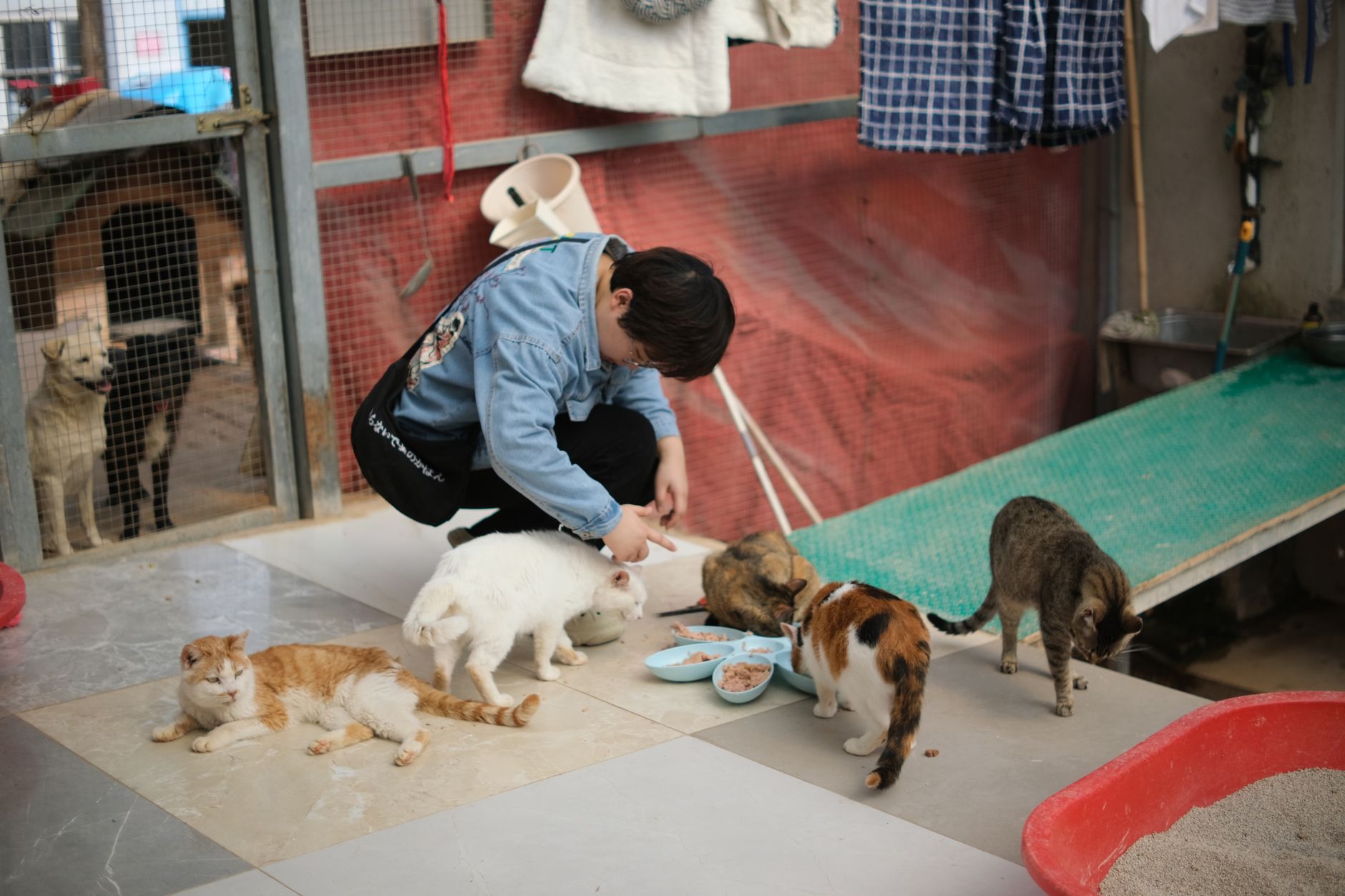
Animal shelters across the country are actively recruiting community volunteers to help staff their feline care services, recognizing that volunteer support is essential to their operations. Whether managing litter box maintenance, administering medications, socializing shy cats, or simply providing hands-on enrichment activities, volunteers fill critical gaps in daily cat care that many shelters cannot adequately cover with paid staff alone. A typical shelter might house anywhere from dozens to hundreds of cats at any given time, and the volume of daily care tasks—feeding, water changes, health monitoring, and behavioral support—far exceeds what a small permanent team can accomplish without volunteer assistance. Most shelters recruit volunteers through open calls on their websites and social media pages, community flyers, and local press releases, casting a wide net to attract people from various backgrounds.
Some volunteers commit to regular weekly shifts, while others participate in special events or foster programs that temporarily house cats in private homes. The recruitment process typically involves an application, orientation, and training period so that volunteers understand shelter protocols, safety procedures, and the specific behavioral or medical needs of the cats they’ll be handling. Beyond the obvious practical benefits, volunteer programs also foster community connection to feline welfare. When people spend time with shelter cats and witness their personalities and potential for adoption, those volunteers often become advocates who spread awareness about adoption, responsible pet ownership, and the shelter’s mission within their social circles.
Table of Contents
- Why Shelters Depend on Volunteers for Cat Care Operations
- Types of Feline Care Tasks Volunteers Typically Perform
- Recruitment Challenges and How Shelters Overcome Them
- Training and Supervision Requirements for Volunteer Safety and Cat Welfare
- Volunteer Retention and Burnout Prevention
- Special Volunteer Roles and Niche Programs
- Building Community Advocacy Through Volunteer Engagement
- Frequently Asked Questions
Why Shelters Depend on Volunteers for Cat Care Operations
Most animal shelters operate on limited budgets and staffing models that make volunteer labor not just helpful but foundational to their mission. A shelter’s paid staff—veterinarians, veterinary technicians, and adoption counselors—typically focus on medical care, behavioral assessment, and placement, while volunteers handle the volume of day-to-day husbandry tasks. Without volunteers, shelters would need significantly larger payrolls to cover basic functions like feeding, litter maintenance, and environmental cleaning, which would likely divert resources from medical services or adoption programs.
The scale of this dependency varies by facility. A small rural shelter might operate with one or two paid staff members and rely entirely on volunteers for most daily operations, while a large urban shelter might have a modest permanent team that oversees dozens of volunteers working in shifts. In both scenarios, volunteers extend the shelter’s effective capacity and allow staff to focus on tasks that require professional credentials or complex decision-making. For example, a veterinary technician might spend time training volunteers to recognize signs of upper respiratory infection in cats, so that volunteers can alert staff during their morning shifts before minor illnesses become serious.
Types of Feline Care Tasks Volunteers Typically Perform
Volunteer roles in shelter cat care range from straightforward and low-risk to specialized and requiring training. Basic duties include refilling water bowls (which must often be done multiple times daily to ensure fresh, clean water), scooping and replacing litter, and wiping down cat kennels or cages. These tasks sound simple, but they are labor-intensive; a shelter with 100 cats might go through several hundred pounds of litter each week, and litter management is crucial to preventing respiratory illness and stress-related behavioral problems in confined cats. Beyond housekeeping, many shelters train motivated volunteers to assist with medical care under staff supervision. This might include applying topical medications to infected wounds, administering oral medications, taking temperatures, or assisting during nail trims and ear cleanings.
Some volunteers also help with behavioral enrichment, spending time with cats in playrooms or quiet areas, playing with toys, offering lap time, and helping shy or fearful cats build confidence. A significant limitation of relying heavily on volunteers for medical tasks is maintaining consistency and quality control; a volunteer who works one shift per week may miss subtle changes in a cat’s condition that a daily staff member would catch, and medication administration requires careful documentation and verification to prevent errors. Socialization and adoption support is another major volunteer role. Volunteers photograph cats for the shelter’s website and adoption listings, write behavioral descriptions for potential adopters, and conduct meet-and-greet sessions to help match cats with appropriate homes. Some shelters also run foster programs where trained volunteers take cats into their homes temporarily, which reduces shelter crowding and helps staff assess whether a cat’s behavioral issues are stress-related to the shelter environment or more fundamental.
Recruitment Challenges and How Shelters Overcome Them
Shelters face real obstacles when recruiting sufficient volunteer numbers. The work can be physically demanding, emotionally taxing (especially in facilities where euthanasia still occurs), and often involves exposure to unpleasant conditions like strong odors, fleas, and ringworm. Many potential volunteers underestimate the physical demands; jobs that appear straightforward in a job description—such as cleaning 50 cat enclosures—become grueling when done multiple times per week. Some shelters address this by offering shorter shift options, allowing people to commit to just 2-3 hours per week rather than demanding half-day shifts, making participation more feasible for working people and parents.
Geographic location also influences recruitment ease. Urban and suburban shelters often have larger populations to draw from and stronger community engagement, while rural shelters may struggle to recruit simply because fewer people live nearby. Some rural shelters have built robust volunteer programs by partnering with local schools, offering community service opportunities, or creating special event days that bring larger groups to the facility periodically. A concrete example is a shelter that hosts “Kitten Season Volunteer Days” in spring and early summer, when intake surges and they need extra hands, specifically advertising it to students on summer break and generating enthusiasm around a defined, time-limited commitment rather than asking for open-ended volunteering.
Training and Supervision Requirements for Volunteer Safety and Cat Welfare
Proper training is not optional for volunteer programs; it protects both the volunteers and the cats. An untrained volunteer might inadvertently spread infectious disease between cats through poor hygiene practices, stress a fearful cat by using incorrect handling techniques, or miss signs of illness or injury. Most shelters require volunteers to attend an orientation covering shelter policies, vaccination requirements (some require proof of current tetanus vaccination), basic cat body language and handling, and emergency procedures. Beyond orientation, volunteers working with medical tasks or behavior receive ongoing supervision and feedback from experienced staff. The tradeoff is that thorough training requires paid staff time, which shelters often lack.
A shelter manager must spend hours conducting orientations and supervising new volunteers before those volunteers become genuinely productive. Some shelters mitigate this by creating volunteer coordinators—either paid or, in some cases, highly experienced volunteer leaders—who manage the training pipeline and ongoing supervision of other volunteers. This approach works well when the shelter has stable volunteer turnover and can invest in building a leadership tier, but it adds administrative burden and cost that some smaller shelters simply cannot absorb. Health and safety protocols are essential. Shelters should require volunteers to report any bites or scratches immediately, provide first-aid supplies and training, and have clear policies about when a volunteer should stop working with cats (such as if the volunteer becomes ill). Feline-specific concerns include cat scratch fever, toxoplasmosis from litter exposure, and ringworm, all of which can be transmitted to humans—a risk that should be communicated clearly so volunteers can make informed decisions about their participation.
Volunteer Retention and Burnout Prevention
One of the biggest challenges for volunteer programs is retention. Initial enthusiasm often wanes after several weeks of repetitive, physically demanding work, particularly when volunteers realize they are never going to personally adopt all the cats or see every single shelter cat find a home. Shelters that maintain strong volunteer programs typically invest in creating a sense of community among volunteers, celebrating their contributions, and offering variety in tasks so people don’t become bored.
A warning sign that a shelter’s volunteer program is at risk: high turnover, with new volunteers quitting after a few shifts. This suggests that the program may be understaffed (so volunteers feel overwhelmed), undercommunicative about impact (so volunteers don’t see the fruits of their labor), or mismatched in terms of role assignment (assigning a volunteer who loves cats to only litter-scooping duty is demotivating). Some shelters combat this by allowing volunteers to rotate between roles, offering “cat ambassador” opportunities where volunteers help educate the public about adoption, or creating milestone recognition (such as volunteer of the month or celebration events) that make people feel valued beyond their labor.
Special Volunteer Roles and Niche Programs
Many shelters have developed specialized volunteer roles that attract people with particular skills or interests. Foster programs are among the most popular; they extend the shelter’s capacity by temporarily moving cats into volunteers’ homes. Foster volunteers are typically responsible for providing basic care, administering medications if needed, and monitoring behavior, which allows the shelter to free up kennel space.
This is particularly valuable during high-intake periods (spring and early summer, when breeding season produces more litters) and for cats with special needs, such as very young kittens who require bottle-feeding every few hours or medical cases needing recovery time outside the high-stress shelter environment. Another niche is volunteers skilled in photography or digital marketing who help the shelter create adoption listings, manage social media, and document shelter activities. These roles appeal to people who love cats but may not want to spend time at the physical facility and can contribute meaningfully from home. Some shelters also recruit volunteers with veterinary or nursing backgrounds to assist with more complex medical tasks, creating a tiered system where highly trained volunteers handle specialized work while general volunteers manage routine husbandry.
Building Community Advocacy Through Volunteer Engagement
Volunteers who have meaningful experiences in shelters often become ongoing advocates for feline welfare and adoption. When someone spends time hand-feeding a shy kitten and watches it gradually become confident, or when they see a chronically ill cat’s quality of life improve after treatment, they develop emotional investment in the shelter’s work. These volunteers are more likely to donate money, participate in fundraising events, refer friends, and speak positively about adoption within their social circles.
Shelters that recognize this opportunity invest in volunteer communications—sharing stories and updates about cats that volunteers have worked with, showing adoption photos of cats that have moved to homes, and inviting volunteers to shelter celebration events. A concrete example: a volunteer who has socialized shelter cats attends the shelter’s annual gala or volunteer appreciation event and sees a photo display of adopted cats, many of which they personally helped prepare for placement. That volunteer leaves feeling that their work directly contributed to those animals’ welfare, strengthening their commitment and engagement beyond the immediate tasks they performed during shifts.
Frequently Asked Questions
Do I need prior experience working with animals to volunteer at an animal shelter?
Most shelters do not require prior experience. They provide training for common volunteer roles like litter maintenance and basic cat care. Specialized roles involving medical care or behavioral work do require demonstration of competence or relevant background, but shelters understand that most volunteers are learning on the job.
What should I expect during a volunteer shift at a cat shelter?
A typical shift involves cleaning enclosures, changing litter, refilling water and food bowls, and sometimes spending time with cats for enrichment or socialization. Shifts can last two to four hours depending on the shelter’s needs and your availability. Physical demands vary by task, but much of the work is repetitive and can involve standing, bending, and handling wet or soiled materials.
Are there health risks to volunteering with shelter cats?
Yes, there are minor health risks including exposure to common cat illnesses and parasites like ringworm and fleas. Bites and scratches are also possible. Most risks are manageable with good hygiene practices and immediate care of any injuries. Shelters should provide guidance on these risks during orientation so volunteers can take appropriate precautions.
Can I volunteer from home without coming to the shelter?
Some shelters offer remote volunteering opportunities such as helping with social media, photography for adoption listings, foster programs, or administrative tasks. Contact your local shelter to ask about opportunities that don’t require on-site work, though most hands-on cat care roles do require being present at the facility.
How often should I commit to volunteering?
Shelters have varying needs and flexibility. Some ask for weekly commitments while others accept one-time or occasional volunteers. Discuss your schedule during recruitment and orientation; many shelters prefer a consistent but modest commitment (such as two hours per week) over sporadic availability.
What happens if I need to stop volunteering?
Simply communicate with your shelter’s volunteer coordinator. Life circumstances change, and shelters understand that volunteers may need to step back. Many people volunteer for a season or a specific period rather than indefinitely, and that is perfectly acceptable.