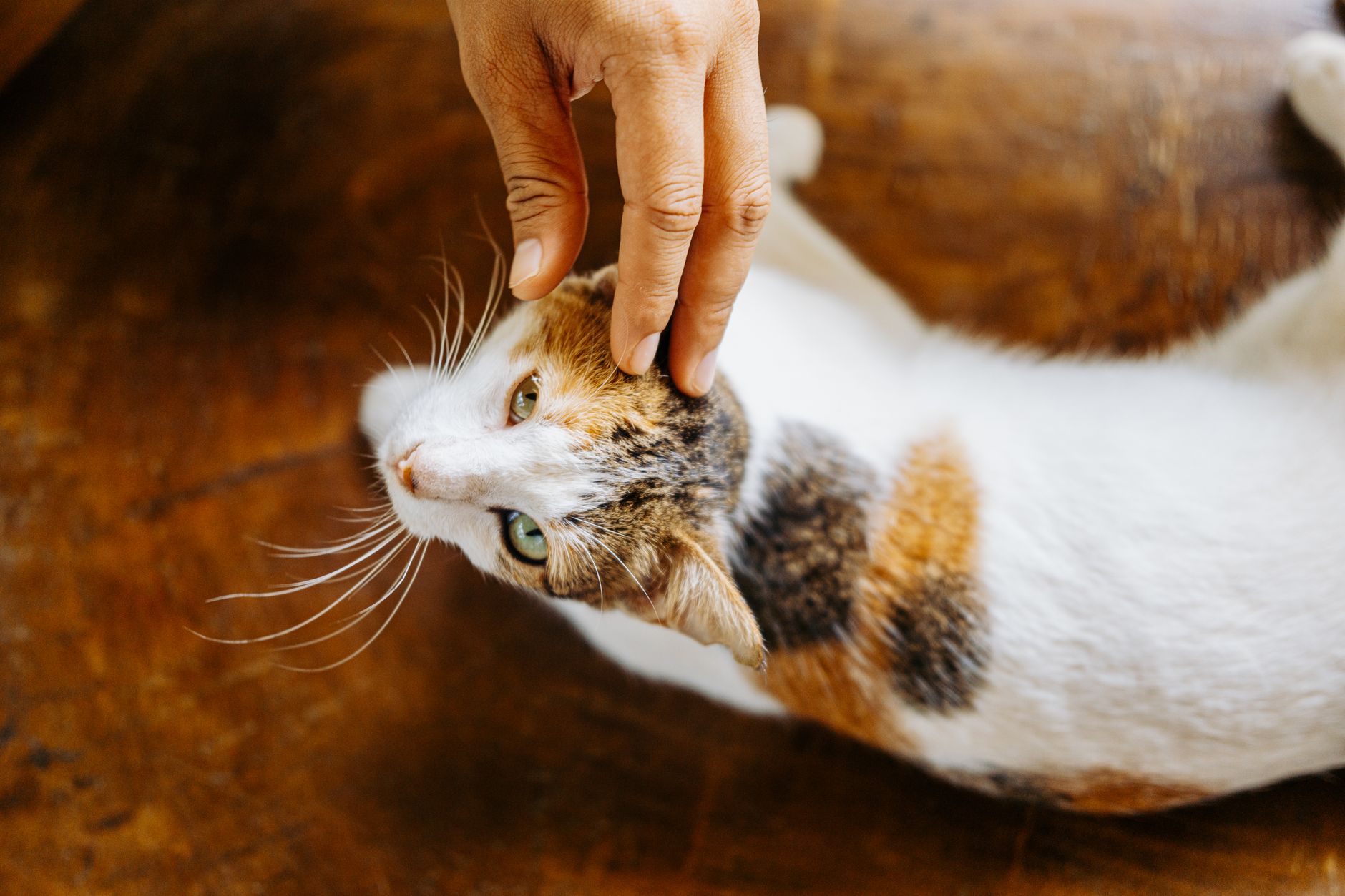
When a kitten is finally reunited with cat companions after a long separation, the scene often unfolds with remarkable emotion that has moved viewers to tears across social media platforms. Multiple viral videos documented on TikTok show separated cat brothers encountering each other again, with their reactions ranging from frenzied excitement to cautious investigation followed by clear recognition. These moments capture something real about feline relationships—not the aloof, indifferent creatures many assume cats to be, but animals capable of forming genuine bonds and remembering those they’ve lost. The touching nature of these reunions stems from the fact that cats do recognize their siblings and companions through scent memory, even after years of separation.
A kitten raised alongside littermates forms early attachments that leave lasting neural pathways. When these animals encounter each other again, their powerful sense of smell triggers recognition, and they respond with behaviors that suggest real emotional responses to the reunion. This isn’t anthropomorphization or wishful thinking from viewers—it’s biology meeting behavior in a way that reveals feline emotional complexity. These viral moments matter because they challenge the cultural narrative that cats are cold or unfeeling. A kitten seeing his cat companions after months or years apart doesn’t just register their presence; he reacts with behaviors that indicate genuine recognition and response to a meaningful relationship being restored.
Table of Contents
- How Do Kittens Recognize Their Littermates and Companions After Separation?
- The Emotional Reality Behind Feline Reunions and How Separation Affects Kittens
- Why These Reunion Videos Resonate Across Social Media and What They Tell Us About Cat Behavior
- Preparing for a Kitten Reunion or Introduction Between Separated Cats
- Health and Behavioral Considerations When Reuniting Separated Cats
- The Science Behind Scent Memory in Cats and Long-Term Recognition
- Real-World Examples From Documented Reunions and What They Reveal About Feline Relationships
How Do Kittens Recognize Their Littermates and Companions After Separation?
cats recognize each other primarily through scent cues rather than visual appearance, a crucial distinction that explains why reunions can feel so immediate despite how different animals may look after years apart. A kitten‘s sense of smell is extraordinarily acute, with receptor cells that allow them to detect chemical signals invisible to humans. When separated siblings encounter each other, they exchange scent information through direct contact and airborne molecules, triggering olfactory memories stored from their time together. Beyond scent, cats use vocalizations and the recognition of familiar landmarks or territories to identify companions. A kitten may remember the specific calls or body language of a brother or sister, even if years have passed.
The combination of these recognition methods means that a cat doesn’t need to “remember” what another cat looks like; instead, he accesses a multisensory profile of that individual stored in memory. In one documented case of a stray kitten reuniting with his mother, the recognition was nearly instantaneous once the pair came within scent range, suggesting these memories persist even through separation and hardship. It’s important to note that recognition doesn’t always lead to immediate acceptance or bonding. Cats are territorial animals, and a kitten separated from littermates becomes adjusted to different social hierarchies and environments. A reunion can trigger recognition followed by cautious distance as the animals recalibrate their relationship to the changed circumstances of their lives.
The Emotional Reality Behind Feline Reunions and How Separation Affects Kittens
kittens form close attachments to their mothers and siblings early in life, and the evidence increasingly suggests these relationships involve genuine emotional components. When a kitten is separated from littermates during the critical socialization period—typically between 2 to 10 weeks of age—he experiences real distress. This isn’t mere discomfort; it’s a disruption to an established social bond that the kitten’s developing brain has wired as important for survival and wellbeing. The viral videos that capture cat reunions after long separation show behavioral markers that indicate emotional responses: slow-motion playback of interactions reveals body language changes, tail positioning, and communication patterns consistent with recognition and pleasure. However, not every reunion proceeds smoothly.
Some separated cats maintain initial wariness or display defensive posturing, particularly if the separation occurred after the critical socialization window or if the cats developed different personalities in different environments. A kitten raised in a high-stress shelter environment may respond differently to a reunion than one who spent years in a single family home. One limitation pet owners often overlook is that recognizing a companion doesn’t guarantee harmonious cohabitation. Two cats may clearly recognize each other as littermates yet struggle with establishing new boundaries and hierarchies. The emotional response to reunion—that touching moment captured in videos—doesn’t automatically translate to compatibility if circumstances have changed significantly.
Why These Reunion Videos Resonate Across Social Media and What They Tell Us About Cat Behavior
The videos that have spread across platforms like TikTok tap into genuine animal behavior while simultaneously appealing to human emotional investment in pet narratives. Multiple sources documented tears from viewers watching separated cat brothers reunite, suggesting that audiences instinctively recognize something authentic in these moments even if they can’t articulate exactly what they’re witnessing. These videos have become some of the most popular feline content on social media, often generating millions of views and shares. What makes these specific reunion videos different from general cat content is their narrative arc: there’s separation (implicitly creating tension), the unknown element of whether recognition will occur, and then the visible relief or excitement of reunion.
This structure creates emotional stakes. A kitten seeing his brothers after years apart becomes a relatable story because many viewers have experienced separation from loved ones. The cat’s response—which doesn’t require language or complex explanation—communicates something universal about missing and reconnecting. Beyond entertainment value, these videos serve an educational function by demonstrating feline social complexity to a broad audience. They counter the persistent stereotype that cats lack emotional depth or genuine attachment, introducing thousands of people to the reality of feline relationships and social memory.
Preparing for a Kitten Reunion or Introduction Between Separated Cats
If you’re considering reuniting kittens or cats who have been separated, the process requires planning that differs significantly from introducing cats who’ve never met. A separated cat carries the memory of his former companions, which can ease initial introductions but may also complicate them if the animals have developed incompatible temperaments or territorial expectations. The recommended approach begins with a gradual reintroduction using scent swapping—exchanging bedding or rubbing a cloth on one cat and presenting it to the other—before visual contact occurs. Visual reunions should happen in neutral territory when possible, or in a confined space where neither cat feels defending established territory. The first meeting may not replicate the emotional clarity of viral videos; many cat reunions involve cautious investigation, territorial displays, or even brief conflict as the animals recalibrate their relationship.
Unlike the immediate excitement sometimes captured in videos, real reunions often require multiple sessions before cats settle into a new dynamic. Some pairs reestablish bonds quickly, while others take weeks or may need ongoing management through separate spaces and supervised interactions. A significant difference between a viral reunion video and an actual multi-year separation is time scale and context. Videos typically capture the climactic moment without showing the weeks of adjustment that follow. Pet owners should expect that recognizing a former companion doesn’t mean the kitten and his cat companions will instantly behave as if no separation occurred.
Health and Behavioral Considerations When Reuniting Separated Cats
When a kitten separated from littermates is reunited with cat companions, veterinary screening should precede any contact. Cats separated for months or years may have been exposed to different diseases, parasites, or illnesses. Even if one cat appears healthy, transmission of feline viruses or other infections could compromise the health of the reunion. A veterinary check-up before introduction protects both animals and allows screening for behavioral issues that may have developed during separation. Behavioral regression is another consideration that reunion videos rarely show.
Some cats who’ve spent extended periods alone or in stressful environments may display anxiety, aggression, or inappropriate elimination when reintroduced to cat companions. A kitten raised in isolation may have forgotten social skills or developed atypical behaviors that conflict with normal feline interaction. In these cases, the emotional recognition that drives a touching reunion moment doesn’t necessarily resolve underlying behavioral issues. Age differences matter substantially as well. A kitten separated from adult littermates may reunite with cats who are now middle-aged or elderly, bringing different energy levels and social needs. The physical play and interaction that satisfied them as young cats may no longer appeal to companions who’ve aged into different behavioral patterns.
The Science Behind Scent Memory in Cats and Long-Term Recognition
Cats’ extraordinary sense of smell—approximately 14 to 16 times stronger than human olfaction—provides the biological foundation for recognizing companions across years. A cat’s olfactory system includes specialized structures like the vomeronasal organ (Jacobson’s organ), which processes chemical signals beyond what general scent receptors detect. When a kitten encounters a former littermate, this system immediately communicates information about that individual’s identity, health status, and emotional state.
The vomeronasal organ is particularly important in cat social behavior, as it processes pheromones that convey social information. Cats recognize not just the general scent of another cat but the specific chemical signature that marks an individual. This explains why a kitten can recognize a brother after years of separation even if the two animals have never met in the environment where they reunite—the scent profile carries across contexts and time.
Real-World Examples From Documented Reunions and What They Reveal About Feline Relationships
Newsweek documented a viral video that captured the reaction of cat brothers separated as kittens, with viewers noting that the cats’ behavior suggested genuine recognition and emotional response to the reunion. The video showed clear behavioral shifts as each cat processed the presence of the other, moving from investigation to what appeared to be playful or affectionate interaction. Another documented case involved a stray kitten reuniting with his mother, where scent-based recognition occurred rapidly and the two animals displayed collaborative behavior that suggested strong positive association.
These real documented reunions highlight that the touching scenes captured on social media reflect actual feline social and emotional capacities. A kitten meeting his cat companions after long separation doesn’t simply process data about another animal; he appears to access memories of relationship and perhaps something analogous to the relief or joy that humans experience in reunion. The specificity of these reactions—the way a kitten might seek out a particular companion’s location or demonstrate relaxed postures with one cat while maintaining distance from others—suggests individual recognition rather than generic social response.