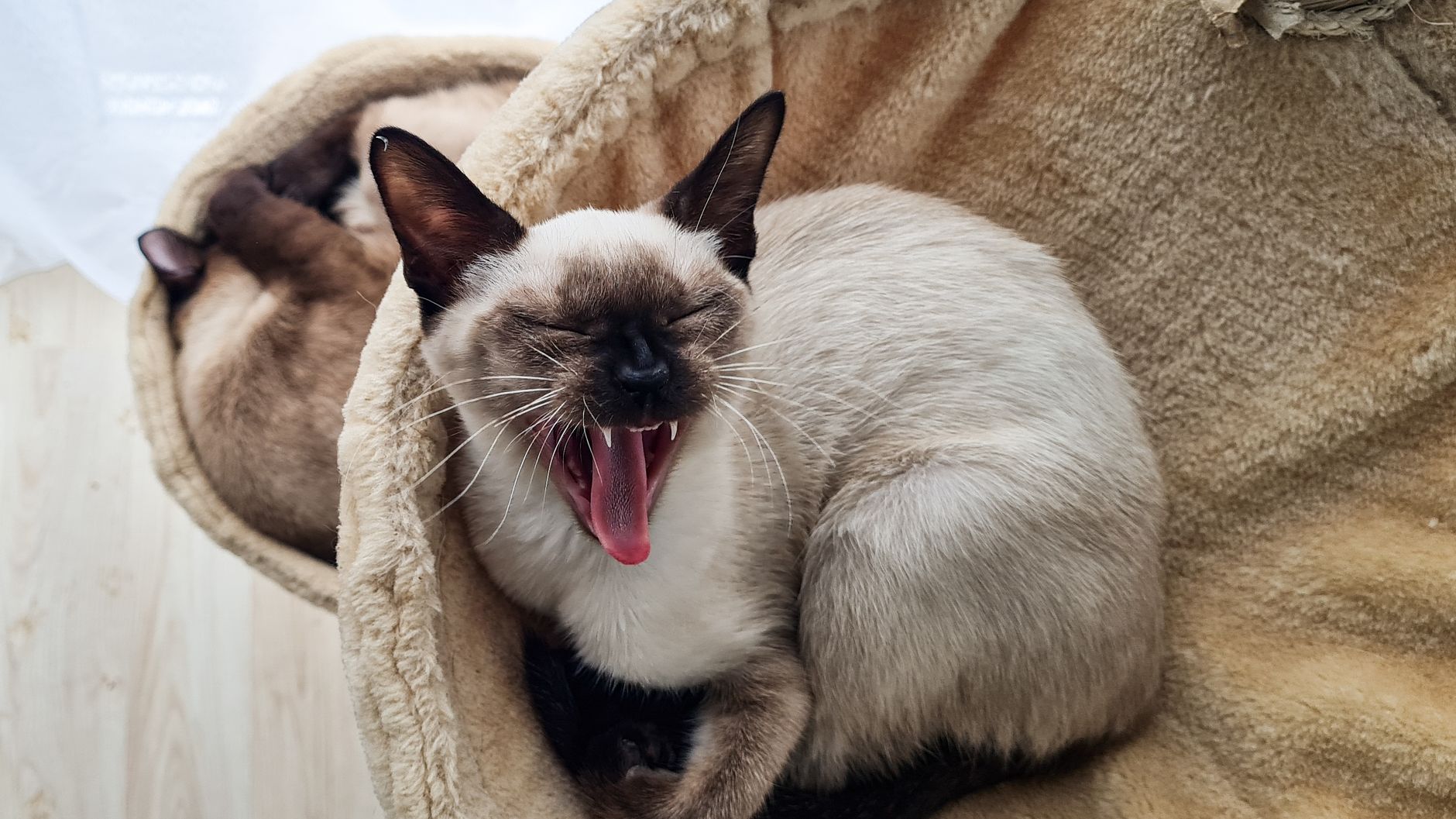
Claims about specific products “winning over” cat owners often circulate online without documented backing, and the particular assertion about a $43 cat tower at Target is no exception. A search for verifiable product reviews, news coverage, or testimonials about this specific item yields no concrete sources—just general Target product pages for cat towers without the attributed success story. This doesn’t mean affordable cat towers lack merit; it means claims about any single model becoming a unanimous favorite among cat owners should be evaluated skeptically, and purchasing decisions should rest on actual product specifications and individual cat needs rather than viral marketing narratives.
Cat owners regularly purchase towers and climbing structures within the $40-$50 range, and some of these products perform adequately for certain cats. However, the idea that a single moderately priced model has universally “won over” cat owners is a common marketing exaggeration that doesn’t hold up under scrutiny. Real satisfaction with cat furniture depends on factors like your cat’s size, activity level, and the tower’s actual construction quality—not on unverified claims about mass approval.
Table of Contents
- What Actually Drives Cat Owner Satisfaction With Budget Cat Towers?
- Material Quality and Construction—The Hidden Variables in Budget Cat Furniture
- Space Reality Check—Where Does a Cat Tower Actually Fit?
- The Budget Cat Furniture Paradox—False Economy and Total Cost
- Stability and Safety—Non-Negotiable Concerns With Lightweight Designs
- Popular Features—What Cat Towers Actually Need
- When a Cat Tower Might Not Be the Answer—Alternatives Worth Considering
What Actually Drives Cat Owner Satisfaction With Budget Cat Towers?
cat owners don’t all want the same thing from a tower, and a $43 model cannot realistically satisfy every preference. Some owners prioritize height for climbing and surveying behavior; others need compact designs for small apartments. Some cats are heavy and require sturdy construction; others are young and lightweight enough for less robust materials. A tower that works well for a 7-pound indoor cat might be completely inadequate—or even dangerously unstable—under the weight of a 15-pound Maine Coon mix.
Genuine satisfaction tends to hinge on alignment between the product’s actual capabilities and your specific cat. A modestly priced tower that matches your cat’s needs and your space constraints will feel like a win. The same tower in a household with a large, active cat or minimal floor space may be disappointing. Without knowing the actual materials, weight capacity, dimensions, and stability testing of any particular model, blanket claims about universal appeal are hollow.
Material Quality and Construction—The Hidden Variables in Budget Cat Furniture
affordable cat towers often use compressed paperboard tubes, particle board, or plywood bases with low-pile carpet or sisal rope. These materials are not inherently bad, but they have real limitations. Compressed paperboard degrades faster than solid wood when exposed to moisture or repeated scratching. A tower that feels stable in a showroom might wobble noticeably after a few weeks of a cat jumping on and off its platforms.
Many budget towers also skimp on the base footprint relative to their height, creating a top-heavy structure that’s prone to tipping. A cat leaping from the top platform to a nearby chair, or a heavier cat shifting its weight, can easily topple a poorly designed frame. Some owners have reported their affordable towers becoming unstable or falling apart within months. This is not a minor issue—a collapsing tower can injure a cat or damage your home. Before assuming any budget tower “wins” with cat owners, you would need independent test data on its long-term durability and stability under realistic use, which rarely exists for mass-market products.
Space Reality Check—Where Does a Cat Tower Actually Fit?
A $43 tower must be compact enough to justify its low price, which usually means it occupies less floor space than premium models but also offers fewer platforms, lower total height, or a more cramped design. Some cats enjoy the coziness of a smaller structure; others become frustrated with limited climbing options or platforms that feel too close together. The placement of your tower matters enormously.
A tower jammed into a corner without clearance around its base is harder to clean and may feel unstable. A tower placed in a high-traffic area where people and other pets bump into it will shift and wear faster. Window perches are popular because cats enjoy bird-watching, but not all budget towers reach window height or can be positioned near a window without blocking light. Room layout, ceiling height, and your existing furniture all constrain where a tower can go, and this reality rarely features in marketing claims about product popularity.
The Budget Cat Furniture Paradox—False Economy and Total Cost
Spending $43 on a cat tower that lasts six months is not cheaper than spending $120 on one that lasts three years. Calculating true cost requires dividing the purchase price by the lifespan in months. A budget tower may offer poor value if you factor in replacement frequency, lost time managing a wobbly structure, or the stress of a cat injured by a collapsing platform. That said, some households benefit from lower spending.
A cat owner with multiple cats might buy several smaller towers rather than one large one, making budget options practical. Owners who are unsure whether their cat will use a tower at all can test the concept cheaply before investing in a premium model. And some cats genuinely are happy with a simple, modest structure. The key is matching spending to your actual needs, not chasing claims about what other cat owners prefer.
Stability and Safety—Non-Negotiable Concerns With Lightweight Designs
A tower that wobbles is not just annoying; it can train a cat to avoid using it entirely, wasting your money. Worse, a cat might misjudge a platform edge on a shifting structure and fall. Young kittens are particularly at risk because they’re still developing coordination. Older cats with arthritis rely on stable, predictable structures to climb safely without injury.
Many budget towers achieve low prices by minimizing the base weight and footprint, which directly reduces stability. The base is often hollow or filled with sand to add weight, but this approach is less reliable than a solid, wide foundation. If a tower is advertised as easily portable and lightweight, ask yourself whether portability actually matters to you. A heavy, immobile tower that stays exactly where you position it might be far safer for your cat than one designed for easy moving.
Popular Features—What Cat Towers Actually Need
Sisal rope, carpet-covered platforms, and enclosed hideaways are standard features because many cats find them useful. Sisal provides a scratching surface, enclosed spaces offer security and privacy, and platforms at different heights let cats choose their vantage point. However, a budget tower might cut corners on any of these. The sisal rope might be thin and worn out quickly.
The enclosed space might be so cramped it’s barely usable. The platforms might not be large enough for a cat to stretch out comfortably. A genuinely functional cat tower should have platforms wide enough for your cat to sit without its rear legs dangling off the edge, sisal rope that’s tightly wound and thick enough to withstand scratching, and a design that allows easy access without awkward jumping angles. These quality markers don’t automatically cost a lot, but they’re not standard at every price point either.
When a Cat Tower Might Not Be the Answer—Alternatives Worth Considering
Not every cat needs a tower. Wall-mounted shelves, cat trees with fewer levels, or even cardboard scratching posts paired with window perches might better suit your space and your cat’s behavior. Some cats prefer horizontal surfaces like beds or boxes to vertical climbing.
Others will ignore any structure you place in their home because they’re content with floor-level lounging or sunbathing on furniture. Before buying any tower, even an inexpensive one, observe your cat’s actual behavior. Does it climb your existing furniture? Does it seek high spots? Does it enjoy enclosed spaces or prefer open perches? A $43 tower that doesn’t match your cat’s preferences will be wasted money, regardless of how many unverified testimonials claim it’s a winner. Your cat’s individual habits and needs will always be more reliable guides than marketing claims about universal appeal.