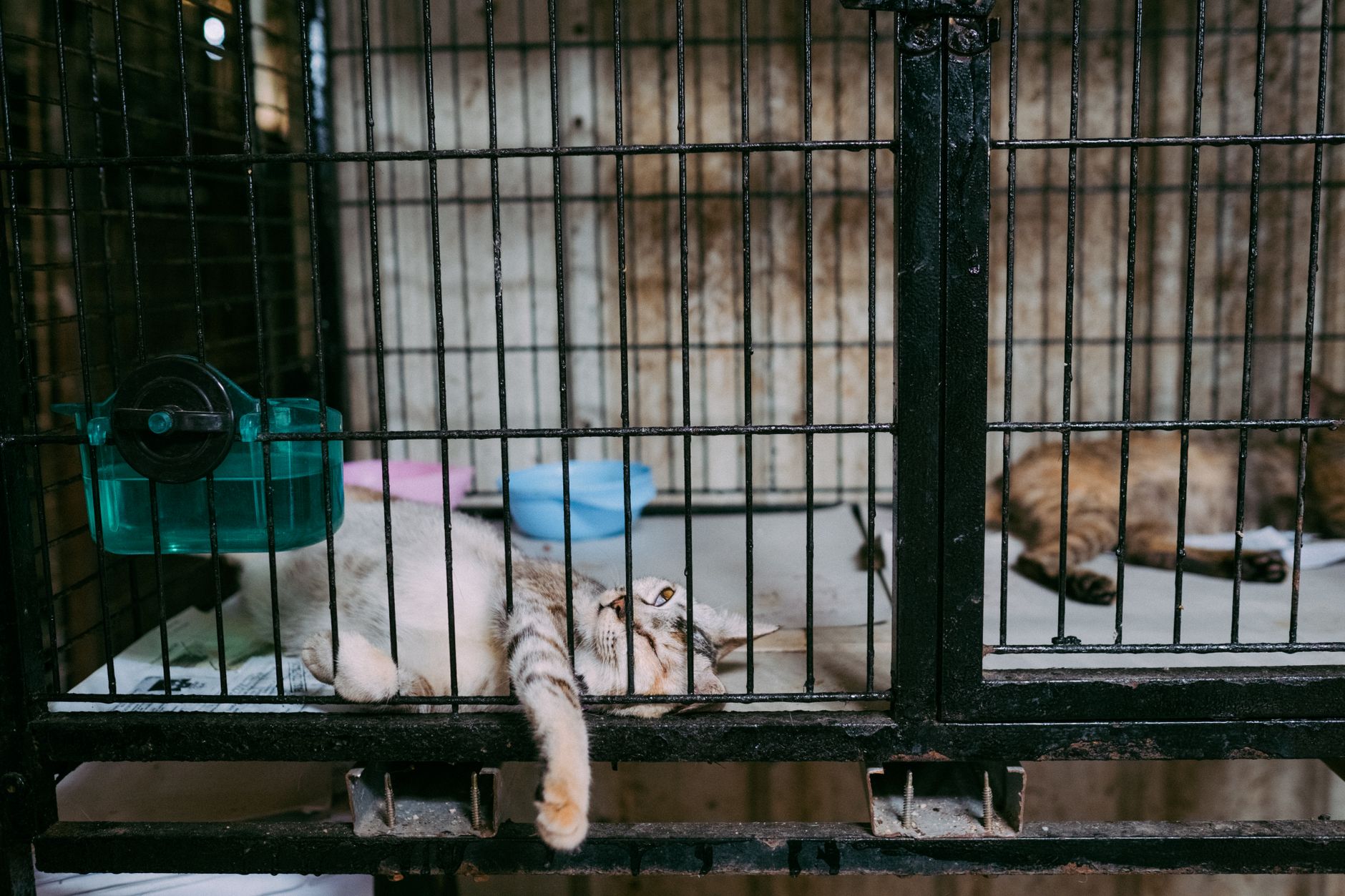
Recent discussion around cat adoption policies has raised questions about proposed rule changes and their legal implications for shelters, rescues, breed-specific organizations, and adopting households. While adoption standards have always existed to protect both cats and their new owners, new proposals seek to clarify, tighten, or modify existing requirements—creating confusion about what these changes actually mandate and what legal basis they rest on. The primary driver for policy updates is protecting feline welfare: preventing returns, reducing behavioral mismatches, and ensuring adopters understand their financial and time commitments before bringing a cat home.
The debate centers on several specific areas: screening questionnaires, fee structures, breed-based restrictions, and post-adoption support obligations. Some proposed rules expand the rights and protections given to organizations that rehome cats, while others place new responsibilities on adopters or restrict certain adoption practices entirely. Since adoption is fundamentally a contract between the adopter and the organization, these policies carry real legal weight—but many proposed changes exist in a gray area where legal authority is unclear, particularly across state lines.
Table of Contents
- What Are the Proposed Cat Adoption Policy Changes?
- Legal Ambiguity in Cat Adoption Standards
- How Adoption Screening Policies Affect Different Households
- Understanding Post-Adoption Obligations and Rights
- The Challenge of Enforcing Policies Across Jurisdictions
- Medical and Behavioral Standards in New Policies
- Real-World Implementation Gaps in Adoption Policy Proposals
- Frequently Asked Questions
What Are the Proposed Cat Adoption Policy Changes?
Proposed policy updates typically fall into several categories: stricter background checks, mandatory waiting periods, behavioral assessments for cats with unknown histories, and fees tied to age or medical status. Some organizations are proposing policies that require adopters to live in single-family homes or to have experience with cats before adoption; others propose requiring adopters to agree to never declaw their new cat or to keep indoor cats exclusively indoors. A specific example would be policies requiring a mandatory home visit before adoption finalizes, which some rescue organizations have implemented but which creates logistical challenges and legal questions about trespassing consent and liability.
Another common proposal involves restrictions on who can adopt based on lifestyle factors. For instance, some shelters propose refusing adoption to households with very young children, while others restrict adoptions to households with veterinary references. The reasoning is sound—protecting cats from homes where they might be harmed or stressed—but these policies can conflict with fair housing laws in some cases, particularly when they systematically exclude certain demographics or family structures.
Legal Ambiguity in Cat Adoption Standards
The primary legal question is whether adoption organizations have the authority to impose conditions that go beyond animal welfare protections and into territory that resembles controlled possession. Once someone adopts a cat, do the legal rights of the adopter override the return policies of the shelter? The answer varies significantly by jurisdiction. Some states treat adoption as a final sale with minimal post-adoption organization authority, while others allow organizations to retain certain override rights—such as retrieval if the cat is found living in unsafe conditions. A critical limitation in current proposed policies is that they often lack clear legal standing.
For example, a policy prohibiting adoption to renters, if challenged, could violate landlord-tenant law or fair housing protections in many states. Similarly, a policy that requires an adopter to use a specific veterinarian could be challenged as an unreasonable restraint on the adopter’s property rights. Organizations proposing these policies may not have legal reviewed them, and adopters have limited recourse if they feel a policy is discriminatory. The risk is that overly strict policies intended to protect cats may instead expose organizations to liability for discriminatory practices.
How Adoption Screening Policies Affect Different Households
Stricter adoption policies disproportionately affect adopters without veterinary history, those with limited housing stability, and multi-generational households. A household with a recent housing transition—even one that is stable—may fail a background check designed to flag instability. Similarly, rural adopters and those in underserved areas may not have access to the specific veterinarian references that some policies now require. This creates a scenario where the policy protects cats on paper but may exclude homes that would provide excellent care.
Breed-specific adoption restrictions raise additional concerns. Some shelters propose policies that restrict adoption of breeds historically associated with aggression—like bengal cats or Siamese mixes—to experienced cat owners only. The legal question here is whether the organization has authority to restrict adoption based on breed characteristics, particularly since cat behavior is heavily influenced by individual temperament and environment rather than genetics alone. An example would be a Bengal cat passed over for adoption despite being socialized and calm, simply because the breed carries a reputation for being high-energy.
Understanding Post-Adoption Obligations and Rights
One critical area in proposed policies is post-adoption contact and return obligations. Some organizations are proposing policies that require adopters to notify the shelter if the adoption fails, with penalties for adopters who rehome cats privately instead. Legally, once an adoption is finalized, the organization typically has no right to require notification of subsequent rehoming decisions, though they may retain a first-refusal right if the adopter attempts to return the cat to the organization. This distinction matters: the shelter can offer incentives for return (like refunding fees), but cannot legally mandate it.
Fee structures also trigger legal scrutiny. Some proposed policies tie adoption fees to cat age or medical status in ways that can feel punitive—for instance, charging double fees for senior cats to discourage adoption or charging premium fees for breed cats. While organizations have the right to set fees, charging fees specifically designed to discourage certain adoptions (rather than to cover actual costs) may create liability if characterized as discriminatory pricing. The comparison with product pricing is useful: retailers can charge more for premium goods, but cannot charge different prices to different customers based on protected characteristics.
The Challenge of Enforcing Policies Across Jurisdictions
Cat adoption policies often fail to account for the fact that many adopters and cats cross state lines. A cat adopted in one state to an adopter in another may face enforcement challenges if a dispute arises. For instance, a policy requiring adherence to a specific state’s veterinary standards becomes difficult to enforce if the adopter is in a different state with different regulations.
This is a warning sign for organizations proposing strict policies: they need to ensure their policies are enforceable in the jurisdictions where their adopters live, not just in the organization’s home state. A related issue is the creation of conflicting policies among organizations. If a national rescue network has local chapters, and each chapter proposes different adoption policies, adopters may face different requirements when adopting the same breed or age of cat from different locations. This fragmentation makes it difficult for adopters to know what to expect and can create legal gray areas when cats are transferred between organizations operating under different policy frameworks.
Medical and Behavioral Standards in New Policies
Many proposed policies require that cats pass specific behavioral or medical screening before adoption. For example, some organizations propose policies requiring feline leukemia and FIV testing for all adoptable cats, with quarantine periods for positive cases. While this protects both cats and adopters, the cost of testing and quarantine is significant.
The legal question is whether the organization can refuse adoption to adopters unwilling to accept cats with known health status (like FIV-positive cats), and the answer is generally yes—but the policy should be clearly disclosed before the adoption process begins. Behavioral assessments present a murkier picture. A cat’s behavior in a shelter environment often does not predict behavior in a home, so behavioral policies based on shelter assessments may not achieve their stated goal of preventing returns. If a cat is adopted under a policy that guarantees a certain behavioral standard (like “non-aggressive toward other cats”) and the guarantee is violated, the adopter’s recourse depends entirely on what was promised in writing.
Real-World Implementation Gaps in Adoption Policy Proposals
The gap between proposed policies and actual implementation reveals significant problems. Policies that sound reasonable on paper—like requiring proof of current veterinary care—become difficult to enforce when adopters have limited access to veterinary services or when veterinarians refuse to provide documentation for privacy reasons. A specific example: a shelter requiring “current vaccination records from a licensed veterinarian” will face challenges from adopters whose previous cats were cared for by now-retired veterinarians or by veterinarians in different countries.
Another implementation gap involves the cost of compliance. A policy requiring home visits before adoption can cost the organization hundreds of dollars per adoption, which either comes from their limited budget or is passed to adopters as a fee. When adopters are charged for policy compliance, they may choose to adopt through less-regulated sources instead, which defeats the policy’s stated purpose of protecting cats. The tension between strict policies and their practical enforcement often means that well-intentioned rules end up being selectively applied to certain adopters while others slip through the process.
Frequently Asked Questions
Can a shelter legally refuse to adopt to someone based on their housing situation?
Shelters can refuse adoption for legitimate animal welfare reasons, but cannot use housing discrimination as a proxy for other protected characteristics. Refusing all renters, for example, could violate fair housing laws in many states.
What happens if an adopter breaks an adoption policy after the cat goes home?
Once adoption is finalized, the organization typically has no legal right to enforce most policies. They can offer incentives for return, but cannot mandate compliance with post-adoption conditions.
Are breed-based adoption restrictions enforceable?
Breed-based restrictions for cats face legal challenges because cat behavior is not strongly breed-determined. Courts have generally been skeptical of breed bans for cats, unlike their treatment of dog breed restrictions.
Can a shelter charge higher fees to discourage adoption of certain cats?
Shelters can set different fees based on actual costs (age-specific medical care, for example), but cannot set fees primarily designed to discourage adoption, as this may be considered discriminatory pricing.
Do adoption policies apply if I move to a different state after adoption?
Adoption policies typically cannot be enforced across state lines once the adoption is finalized and the adopter has left the organization’s jurisdiction. The adopter’s home state’s laws would govern any disputes.