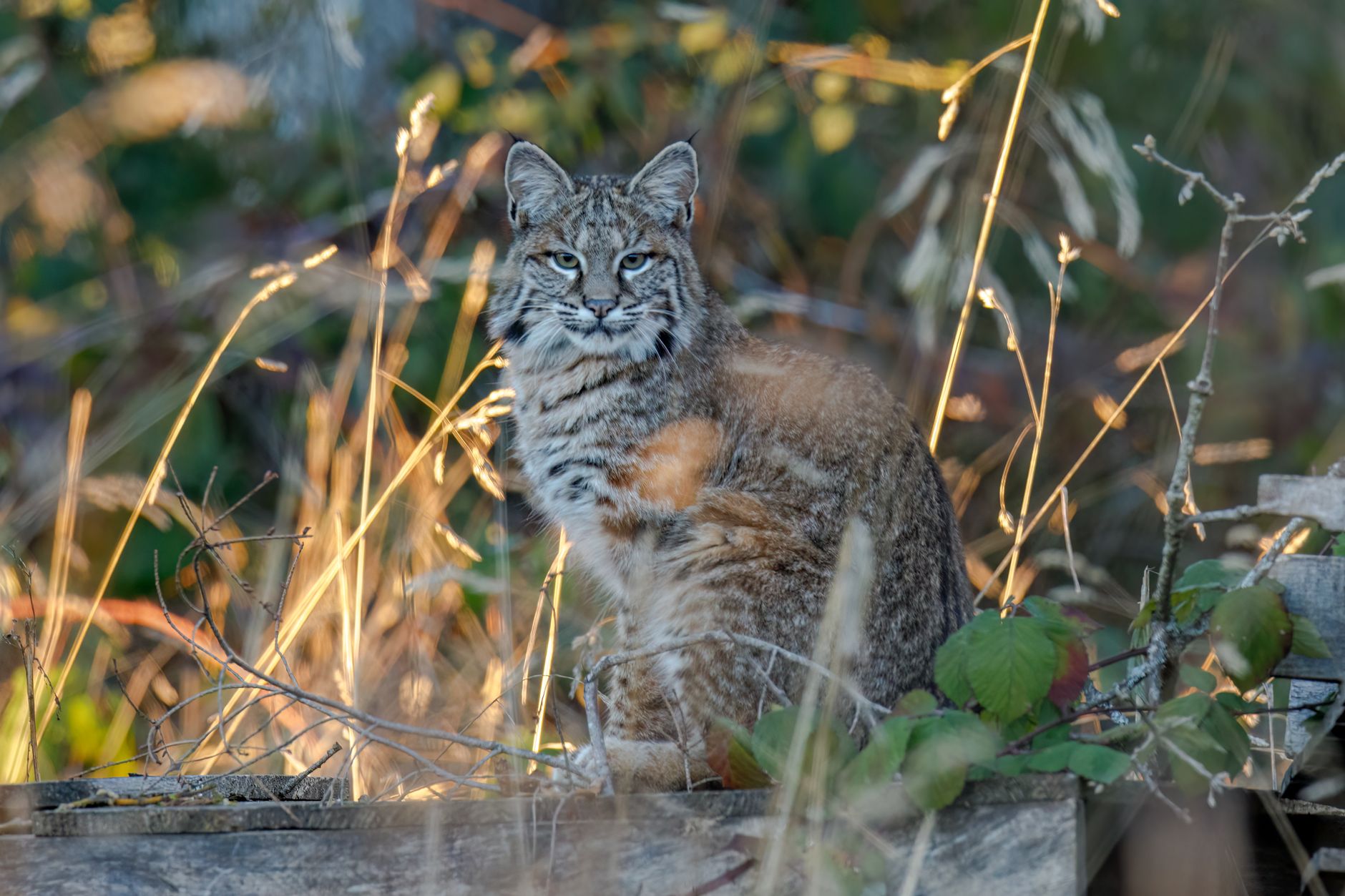
When a wildlife sanctuary takes in an orphaned bobcat kitten, one of the first medical steps is a round of preventive vaccinations. In May 2025, Think Wild in Central Oregon did exactly this, giving two orphaned bobcat kittens their first round of vaccines along with antiparasitics and fluids. A bobcat is a wild North American cat, roughly twice the size of a housecat, and a kitten separated from its mother cannot fight off common feline diseases alone. Preventive shots protect the animal during captive care and reduce the risk it spreads or catches illness before release.
Table of Contents
- Which shots does an orphaned bobcat kitten get?
- Why vaccinate a wild animal at all?
- The catch: these vaccines are made for housecats
- Why timing and boosters matter
- How vaccination affects release back to the wild
- Frequently Asked Questions
Which shots does an orphaned bobcat kitten get?
Rehab facilities generally use the same core vaccines given to domestic kittens. According to PetMD, the core feline vaccines are FVRCP and rabies. FVRCP is a combination shot covering feline viral rhinotracheitis (herpesvirus-1), calicivirus, and panleukopenia. Panleukopenia matters most here.
It is a highly contagious parvovirus that is often fatal, and FVRCP is the shot that guards against it. Rabies is the second core vaccine, protecting against a virus that is deadly once symptoms appear. The exact protocol depends on the animal's age, health, and the receiving facility. A near-death, dehydrated kitten may first need fluids and stabilization before any vaccine, which is why the Think Wild kittens received fluids and antiparasitics alongside their shots.
Why vaccinate a wild animal at all?
The disease risk to captive wild kittens is real, not theoretical. Panleukopenia has been confirmed in wild and captive non-domestic cats, as documented in a 2023 case report. That evidence is what justifies preventive vaccination of orphaned wild kittens housed near other animals. Rabies adds a second reason tied to human and pet safety.
Rabies is a fatal, zoonotic virus that can infect any warm-blooded animal, and bobcats are a known reservoir. South Carolina health officials confirmed a rabid bobcat in Georgetown County that exposed a pet. Orphaned kittens also arrive in vulnerable shape. Critter Care Wildlife received a two-pound female bobcat kitten in early August 2024, found roadside near death with no mother present. A weakened animal has little natural defense against these viruses.
The catch: these vaccines are made for housecats
Here is an important limitation for readers who assume the shots are approved for bobcats. FVRCP and injectable rabies vaccines are USDA-licensed for domestic cats, not wild felids. Using them in a bobcat is extra-label veterinary judgment, a decision a licensed veterinarian makes case by case. The type of vaccine matters too.
Modified-live vaccines can actually cause disease in exotic species, so killed or inactivated products are generally preferred for wild cats, per the AAHA/AAFP feline vaccination guidance. This is why sanctuary care should never be copied at home with over-the-counter shots. There is also confusion worth clearing up about rabies. The oral rabies vaccine baits dropped in wildlife programs are a different product, licensed for wildlife and dogs. state health officials note these baits are not interchangeable with the injectable rabies shot a captive kitten receives.
Why timing and boosters matter
Age drives the vaccination schedule. Kittens typically start vaccines around eight weeks because maternal antibodies from the mother's first milk, or colostrum, block an earlier immune response. According to VCA Animal Hospitals, those antibodies fade over time, which is why a single shot is not enough. That is the reason vaccines come as a boostered series rather than one dose.
Each booster catches the window as maternal protection wanes and the kitten's own immune system takes over. A first round, like the one the Think Wild kittens received, is a starting point, not a finished course. For a rehab bobcat, the schedule must also fit the plan to release it. Skipping or mistiming doses can leave a gap in protection during the months the kitten spends in care.
How vaccination affects release back to the wild
Vaccination status is not only a health question; it can affect whether the animal is released. Facilities that rehabilitate bobcats for release follow their state wildlife agency's protocols, as outlined in a bobcat rehabilitation manual. Those rules govern medical care, handling, and release eligibility.
A released bobcat must also remain identifiably wild, meaning it stays wary of people and behaves like a free-living animal. Care routines are built to preserve that wildness while still meeting medical needs. This is another reason bobcat kittens belong with permitted rehabilitators, not private homes. If you find an orphaned bobcat kitten, the practical steps are short:.
- Do not handle or feed it yourself; the wrong food or contact can harm it and expose you to rabies.
- Note the exact location and whether a mother is nearby, since some "orphans" are not truly abandoned.
- Contact a licensed wildlife rehabilitator or your state wildlife agency right away.
Frequently Asked Questions
Can I vaccinate a bobcat kitten myself with store-bought cat vaccines?
No. These vaccines are licensed for housecats, and using them in a bobcat is an extra-label decision only a veterinarian should make. Modified-live products can cause disease in wild cats.
Is one round of shots enough to protect the kitten?
No. Kittens need a boostered series because maternal antibodies block early doses, so a first round is only the start of the schedule.
Does the rabies shot a kitten gets match the bait used in wildlife programs?
No. The oral rabies baits used in the wild are a separate product from the injectable rabies vaccine given to a captive kitten, and the two are not interchangeable.