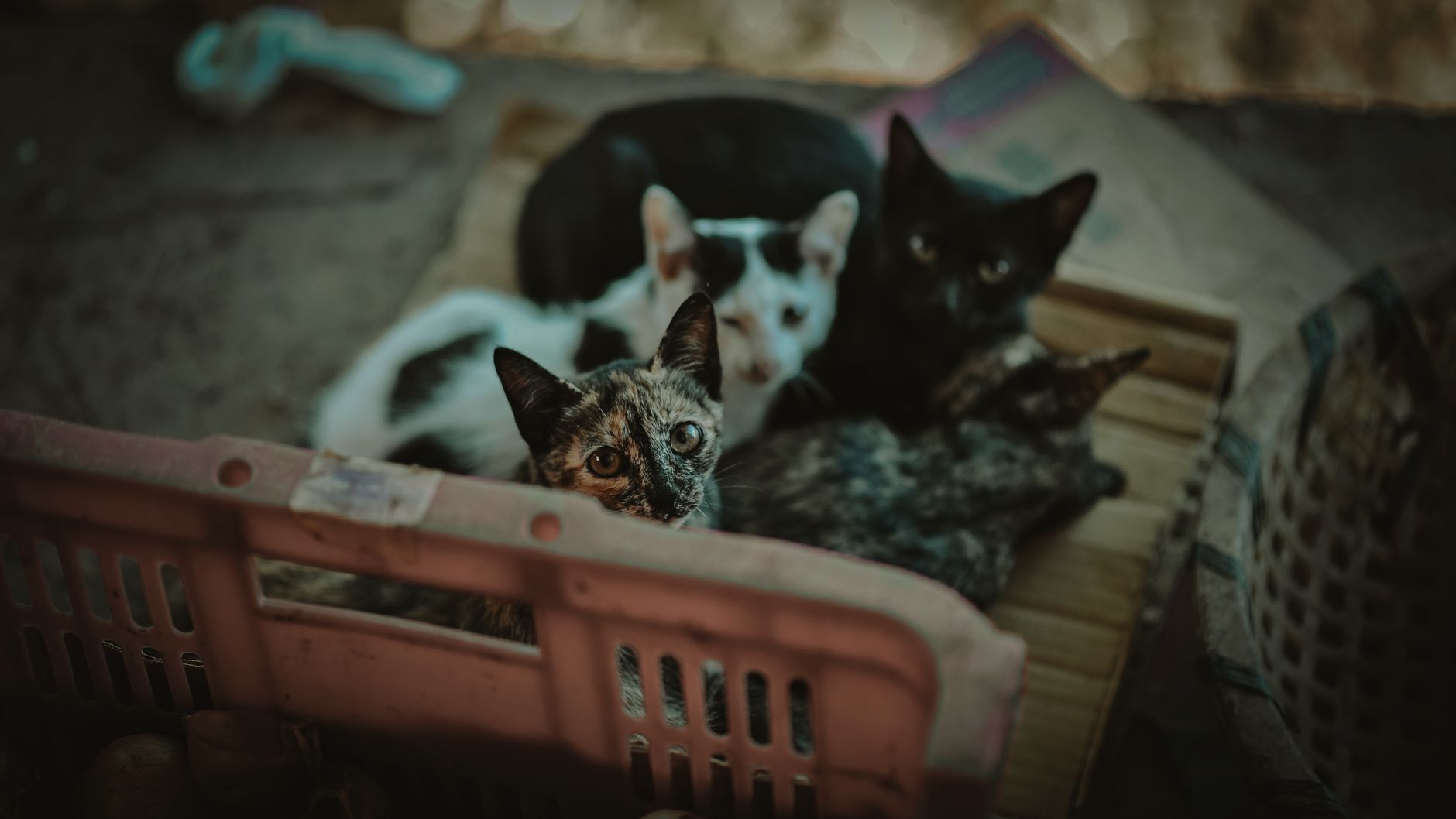
Local animal shelters face a significant seasonal surge in kitten arrivals, with many facilities reporting intake numbers that strain both facilities and staff during peak months. This influx creates urgent needs across multiple areas—from basic care and medical treatment to temporary housing and staff support—that shelters cannot meet without community involvement. A single shelter may take in dozens of kittens weekly during spring and early summer, a volume that can quickly overwhelm even well-managed operations.
The challenge extends beyond simple numbers. When dozens of kittens arrive in rapid succession, shelters must immediately provide medical screening, vaccination, treatment for parasites and infections, and appropriate nutrition tailored to different age groups. Simultaneously, kittens require supervised socialization, behavioral assessment, and individual attention to help them become adoptable. Without sufficient hands and resources, even basic standards of care become difficult to maintain, and the welfare of the animals at risk.
Table of Contents
- Why Do Shelters Experience Seasonal Kitten Surges?
- The Resource Shortage Behind the Intake Crisis
- The Hidden Demands of Kitten Care
- How Volunteers Fill the Critical Gap
- Health Risks and Outbreak Dynamics in High-Volume Settings
- Foster Programs as Overflow Solutions
- Supporting Adoptions to Accelerate Placements
Why Do Shelters Experience Seasonal Kitten Surges?
kitten births peak during spring and early summer months when shelter intakes spike dramatically compared to winter. This pattern occurs because cats breed seasonally—warm weather and increasing daylight trigger reproductive cycles in intact animals, leading to large litters born weeks or months later. Shelters see the consequences: strays and unfixed pets’ offspring arrive in waves, overwhelming capacity just as outdoor temperatures make the animals more visible and their presence more noticeable to the public. The actual sources of these kittens vary.
Some arrive as litters born to nursing mothers who are surrendered or found pregnant. Others come in as very young strays, orphaned after their mother dies or disappears. Still others are brought in by concerned residents who find them outdoors. Shelters cannot predict exact numbers day to day, but the seasonal pattern is consistent enough that experienced staff can anticipate the crush. Yet anticipation does not automatically translate to preparation—many shelters operate near capacity even during slower months, leaving little buffer for seasonal surges.
The Resource Shortage Behind the Intake Crisis
Medical care demands dominate the resource challenge. Young kittens require vaccinations, fecal tests, deworming, and treatment for common conditions like upper respiratory infections, fleas, and ear mites. Unlike adult cats, kittens need multiple vaccine rounds weeks apart, meaning individual animals tie up clinic space and staff time for weeks. A shelter receiving fifty kittens in a week might require two hundred separate medical interventions over the following month—a workload that can exceed available veterinary capacity, especially in understaffed shelters.
Space itself becomes precious when volume surges. Kittens must be housed separately by age and health status to prevent disease spread; sick animals cannot room with healthy ones, and very young kittens need specialized care that differs from older juveniles. A shelter designed to house one hundred cats may find fifty of those animals are kittens requiring segregated housing, leaving minimal space for adult cats, long-term residents, or behavioral isolation. Feeding costs, litter, cleaning supplies, and equipment wear accelerate proportionally to the number of animals. A shelter’s annual supply budget may be exhausted in a few months when intake spikes.
The Hidden Demands of Kitten Care
Kittens require more individual attention than adult cats, and this labor-intensive reality often goes unrecognized by the public. Socialization windows in early development are critical—kittens handled regularly during specific developmental stages become more adoptable, trainable, and behaviorally stable as adults. Kittens raised without socialization or handling may develop fear-based behaviors, aggression, or anxiety that makes them difficult to place in homes. Shelters that cannot provide enough staff or volunteer time to socialize kittens may find those animals harder to adopt later, a ripple effect that compounds shelter overcrowding.
Medical complexity also rises with kitten numbers. A neonatal kitten (under eight weeks) cannot regulate body temperature well and requires careful environmental control. Bottle-fed orphans need feeding schedules of every two to four hours, around the clock. Kittens with conjunctivitis, pneumonia, or intestinal parasites require medication administration, isolation, and monitoring that diverts staff from other tasks. A single sick kitten might need daily medical intervention for a week; fifty sick kittens stretch any shelter’s veterinary and nursing capacity to breaking points.
How Volunteers Fill the Critical Gap
Volunteers provide irreplaceable labor that shelters cannot afford to hire. In many facilities, volunteers handle socialization, spend time with kittens to reduce stress, perform basic health checks, prepare food and water, clean housing, and transport animals to veterinary appointments. Without volunteer hours, shelter staff would spend entire shifts on routine maintenance instead of medical care, behavioral assessment, or adoption counseling. A single dedicated volunteer working fifteen hours weekly might socialize fifty kittens over the course of a month—work that no paid position in the shelter’s budget could otherwise accomplish.
However, not all volunteers contribute equally, and managing volunteers adds its own burden. Shelter staff must train each volunteer, supervise their work to ensure consistency and animal safety, and coordinate schedules. A volunteer who arrives irregularly or performs tasks inconsistently creates more work than benefit. Conversely, a committed volunteer group can handle nearly all kitten socialization, freeing professional staff for medical and behavioral work that only they can do. This tradeoff means shelter leadership must invest time in volunteer management to convert volunteer availability into actual kitten care gains.
Health Risks and Outbreak Dynamics in High-Volume Settings
Infectious disease spreads rapidly through kitten populations, and high-intake numbers accelerate the risk. Diseases like feline panleukopenia (feline distemper) and calicivirus spread through respiratory secretions, feces, and contaminated surfaces. A single infected kitten can expose dozens of others within days if not isolated immediately. Shelters with inadequate isolation capacity or inconsistent cleaning protocols can experience outbreaks that sicken or kill many animals, damage the shelter’s reputation, and consume massive resources in emergency treatment and facility disinfection.
Another limitation of high-volume intake is the difficulty of accurate health screening. When twenty kittens arrive simultaneously, staff may have only minutes per animal to assess appearance, listen for abnormal breathing, and check for obvious signs of illness. Subtle early signs—slight lethargy, mild eye discharge—may go unnoticed until the kitten has already infected other animals. Overcrowding also increases stress-related illness; kittens housed at high density experience elevated cortisol levels, compromised immunity, and increased susceptibility to secondary infections. The shelter’s good intentions to save animals can inadvertently create conditions that sicken them.
Foster Programs as Overflow Solutions
Many shelters address capacity limits by developing foster networks—volunteers care for animals in their homes rather than at the facility. Foster care for pregnant mothers and neonatal kittens is particularly valuable; a volunteer home with proper setup can rear three or four litters simultaneously, removing that burden from the shelter’s medical and housing resources. Foster programs reduce shelter overcrowding, provide more individualized attention and socialization than facilities can offer, and lower disease exposure risk since animals live in separate homes rather than congregate spaces. Foster programs do require upfront investment and ongoing coordination.
The shelter must purchase or provide supplies (bottles, formula, heating pads, medication), train volunteers in specific care tasks, and monitor the animals’ health remotely. A poorly managed foster program can create problems—if a foster loses a kitten or neglects medical care, the shelter faces liability and animal welfare concerns. The shelter also cannot easily recall animals for medical procedures or adoption if the foster lives far away. Despite these tradeoffs, well-established foster networks demonstrably increase the number of kittens a shelter can help during peak season.
Supporting Adoptions to Accelerate Placements
The most direct way to reduce shelter crowding is increasing adoption rates. Shelters sometimes hold adoption events, reduce adoption fees during high-intake periods, or partner with local businesses to host “meet and greet” events that expose kittens to potential adopters. These efforts succeed when they reach people actively considering pet adoption, but they do not create new adopters—they simply redirect existing demand from one shelter to another, or move timelines forward. A deeper limitation is that not all kittens are equally adoptable.
Very young kittens (under eight weeks) require homes with experience bottle-feeding, or they must wait until old enough for independent eating. Kittens with behavioral issues—fear, aggression, or extreme shyness—appeal to fewer adopters than confident, affectionate animals. A shelter cannot instantly transform a fearful kitten into one that plays comfortably with humans, and attempting to force adoption of unsuitable matches often results in returns and prolonged stays. The solution requires time and resources: behavioral assessment, socialization, and patience while waiting for the right match. During surge periods, shelters often lack time to do this work thoroughly, creating a backlog of animals that take weeks or months to place.