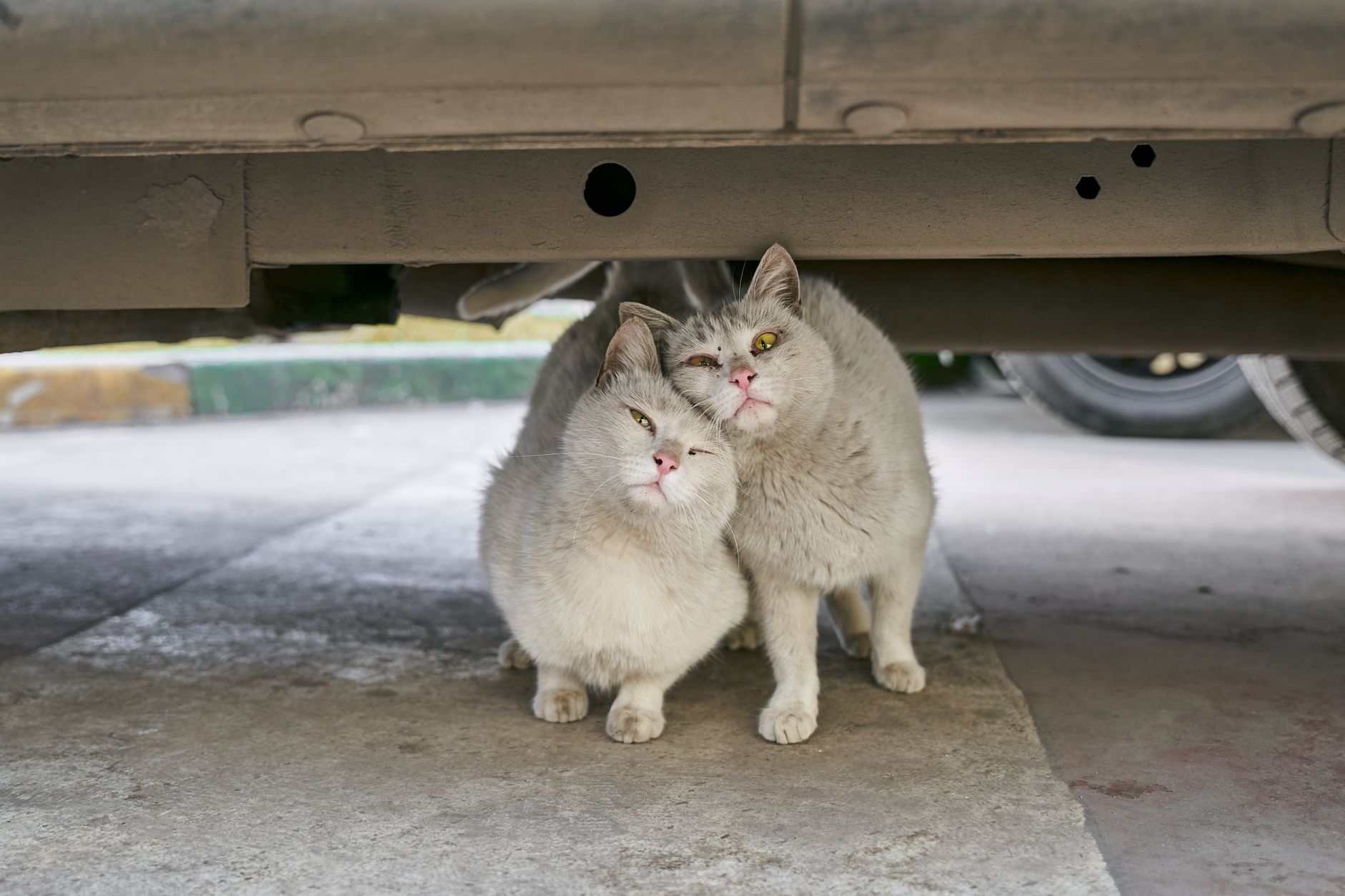
No, it is not safe for cats to stay outdoors all the time. Outdoor cats face dramatically shorter lifespans—typically 2 to 5 years compared to 12 to 18 years indoors—due to disease, predation, accidents, and environmental hazards. Even in suburban or rural areas with low traffic, the combination of infectious disease exposure, territorial conflicts with other animals, and weather extremes creates genuine physical risk every single day.
A cat left outside permanently may appear healthy for months, but the damage accumulates. A cat hit by a car might survive the first impact only to develop internal bleeding or neurological damage that kills it days later. A cat exposed to feline leukemia (FeLV) or feline immunodeficiency virus (FIV) through fights with other cats might show no symptoms for weeks or years while the virus progressively weakens its immune system. The outdoor environment doesn’t care whether a cat is microchipped, neutered, or from a loving home—the risks are statistical, not behavioral.
Table of Contents
- What Dangers Do Outdoor Cats Face Year-Round?
- How Do Infectious Diseases Spread Among Outdoor Cats?
- How Much Shorter Is the Life of an Outdoor Cat?
- What Are the Realistic Alternatives to Full-Time Outdoor Living?
- What Specific Hazards Are Most Often Overlooked?
- Do Some Cats Have Better Odds Outdoors Than Others?
- What Does the Research Show About Outdoor Cat Welfare?
- Frequently Asked Questions
What Dangers Do Outdoor Cats Face Year-Round?
Outdoor cats encounter predators and vehicles, the two leading causes of death in outdoor cats. Coyotes, hawks, and other predators hunt cats regularly, particularly kittens and elderly or infirm cats. Even in urban neighborhoods, hawks hunt from telephone wires and can snatch a cat from a patio in seconds. Traffic accidents kill approximately 250,000 cats annually in the United States alone, and many of those cats are hit multiple times—once, injured and weakened, they’re more vulnerable the second and third time.
Beyond predators and traffic, outdoor cats face environmental exposure. A cat left outside during a cold snap might seek shelter in an engine compartment and be killed when the car starts. Cats have been found dead in storm drains, septic systems, and abandoned buildings after becoming lost or trapped. A cat with an abscess from a fight might develop a systemic infection and die quietly under a bush without access to medical care. Even in areas with moderate climates, dehydration, heat stress, and hypothermia cause deaths that never make it into statistics because the bodies are never found.
How Do Infectious Diseases Spread Among Outdoor Cats?
Cats living outdoors have exposure to feline leukemia (FeLV), feline immunodeficiency virus (FIV), feline infectious peritonitis (FIP), upper respiratory infections, and parasitic diseases at rates far exceeding indoor cats. FeLV spreads through saliva, blood, urine, and feces—a cat doesn’t need to fight another cat to contract it; sharing a food bowl or grooming each other can transmit the virus. Once infected, most cats develop fatal disease within 3 to 4 years, though some survive longer with declining health.
The limitation of vaccination is significant: FeLV vaccines are effective, but not perfect, and vaccination does not prevent all strains. A cat vaccinated against FeLV still carries a small risk of infection, and once infected, it may spread the virus to other cats. Outdoor cats also contract parasites like hookworms, roundworms, and fleas at rates that would be considered unacceptable in an indoor cat. An outdoor cat with an untreated flea infestation can become anemic, and the stress combined with malnutrition makes it more vulnerable to secondary infections and disease.
How Much Shorter Is the Life of an Outdoor Cat?
Veterinary data consistently shows that outdoor cats live, on average, one-tenth the lifespan of indoor cats. An indoor cat living to 15 years is ordinary; an outdoor cat reaching 10 years is unusual. The difference isn’t solely due to accidents; it’s the compounded effect of disease, parasites, malnutrition, stress, and untreated injuries. A cat living outdoors faces ongoing stress from territorial disputes, environmental temperature fluctuations, and the constant threat of predation.
Chronic stress suppresses immune function and makes cats more susceptible to disease. Even outdoor cats with regular food provision don’t achieve indoor lifespans. A study comparing feral colonies with regular feeding stations to indoor cat lifespans found that colony cats typically lived 5 to 7 years at best, with most dying between years 2 and 4. The feeding stations didn’t eliminate disease or predation risk; they only added consistency to nutrition. A cat with access to unlimited food but no shelter from rain, snow, or heat still suffers the consequences of an uncontrolled environment.
What Are the Realistic Alternatives to Full-Time Outdoor Living?
Indoor living with enrichment is the safest option, but several middle-ground approaches reduce risk while providing outdoor experience. Catio structures—enclosed patios or runs made of mesh or solid materials—allow cats to be outside without exposure to predators, disease, or the ability to roam. A cat in a well-designed catio gets fresh air, visual stimulation, and outdoor sounds without facing the risks of a free-roaming cat. The tradeoff is construction cost and space requirements; a basic catio can range from several hundred to thousands of dollars, but it provides years of safe outdoor access.
Leash and harness training, while requiring patience, allows supervised outdoor time. A cat trained to walk on a leash can explore a garden or patio under direct human supervision, eliminating the predation and vehicle risk while still limiting disease exposure. The limitation is that leash training doesn’t work for all cats; some panic or refuse to walk, and weather, noise, or a triggered prey drive can make the experience stressful. Cat walkers report that while some cats enjoy leash walks, others become anxious or bolt given the opportunity. A compromise is a hybrid approach: indoor living as the baseline, with controlled outdoor access through a catio or supervised time, and veterinary care that includes vaccines and parasite prevention for any outdoor exposure.
What Specific Hazards Are Most Often Overlooked?
Toxins and pesticides in outdoor environments kill cats regularly but often go unrecognized. A cat may eat a poisoned mouse or drink from a puddle contaminated with antifreeze or pesticide runoff. Many ornamental plants are toxic to cats—lilies, foxgloves, yews, and sago palms can cause organ failure with minimal exposure. A cat nibbling on toxic landscaping plants might show no signs until kidney or liver damage is already severe. Owners often don’t connect the illness to the outdoor exposure because days or weeks may pass between ingestion and visible symptoms.
Another overlooked hazard is human malice. Sadly, outdoor cats are poisoned, shot, or trapped by people for various reasons—territory disputes with neighbors, deliberate cruelty, or misguided attempts to control feral populations. In rural areas, some property owners set traps intended for other animals and kill cats caught inside. A cat missing for weeks might have been trapped or killed miles away, or might have been hit by a car and abandoned by a frightened driver. The absence of a body doesn’t mean the cat is fine; it usually means the outcome was never witnessed.
Do Some Cats Have Better Odds Outdoors Than Others?
Outdoor survival rates vary slightly by age, breed, and health status, but no cat is genuinely safe outside full-time. Young, healthy cats survive longer than geriatric or sick cats, which is obvious—but even a young, fit cat is statistically more likely to die in an accident, fight, or disease outbreak in its first year outdoors than to reach old age. Some breeds with denser coats or larger size (Maine Coons, for example) may handle cold weather marginally better, but they are not immune to traffic, predators, or feline leukemia. A Bengal or Siamese cat, bred for companionship and not adaptation to outdoor survival, faces the same dangers as any domestic cat, often with less survival instinct and wariness.
Age compounds the risk asymmetrically. Kittens lack experience and survival skills; a kitten left outdoors is far more likely to be killed by a predator or vehicle than an adult. Elderly cats are slower, weaker, and more vulnerable to disease and injury. A 15-year-old cat moved outdoors for the first time is at severe risk of immediate harm. The idea that a cat is “tough” enough to survive outside or that outdoor survival “builds character” is not supported by veterinary data; it reflects a historical context where cat ownership was more casual and lifelong care was not the expectation.
What Does the Research Show About Outdoor Cat Welfare?
Behavioral studies of outdoor cats document high rates of parasitism, injury, and illness in populations without human care. A review of feral and free-roaming cat colonies found that the majority of cats examined had active parasitic infections, signs of old injuries, and dental disease. Even cats with some human provisioning showed signs of stress-related behaviors and higher rates of aggression compared to indoor cats. The fact that a cat is alive doesn’t mean it’s healthy; a thin, parasitized outdoor cat with untreated abscesses is in constant pain and immunological distress.
Insurance and veterinary practice data from regions where outdoor cat ownership is declining show that indoor cats present a narrower range of diagnoses—most are chronic diseases of age, not acute trauma or infectious disease. Indoor cats are diagnosed and treated for arthritis, kidney disease, and hyperthyroidism in their elderly years. Outdoor cats, when they reach a veterinarian, are typically presented in crisis: hit by a car, severely infected, dehydrated from prolonged illness, or dying from feline leukemia. The difference is not that outdoor cats are resilient; it’s that many outdoor cats never reach a veterinarian, so only the worst cases are documented.
Frequently Asked Questions
Can an indoor cat ever go outside safely?
Supervised outdoor time through a catio, harness training, or brief patio access can provide safe outdoor experience. Free roaming without supervision carries serious risks.
Is it cruel to keep a cat indoors permanently?
No. Indoor cats with adequate enrichment, play, and environmental stimulation thrive. Boredom and frustration are preventable through enrichment; death and disease from outdoor exposure are not.
What if my cat was outdoor before and now lives indoors?
A formerly outdoor cat can adapt to indoor living, especially if given enrichment. The transition takes weeks to months. Indoor living from that point dramatically improves its health and lifespan prospects.
Do outdoor cats need vaccines if they’re already exposed to disease?
Yes. Vaccination still reduces severity of illness and provides some protection against new strains. All outdoor cats should be vaccinated and receive parasite prevention from a veterinarian.
Can I let my cat outside if I live in a very quiet area with low traffic?
Low traffic reduces vehicle risk, but disease, predators, and other hazards remain. Even rural outdoor cats face shortened lifespans compared to indoor cats.
Should I feel guilty for keeping my cat indoors?
No. Indoor living is the safest, most responsible choice. Providing enrichment—cat trees, toys, window perches, play sessions—prevents boredom and supports wellbeing.