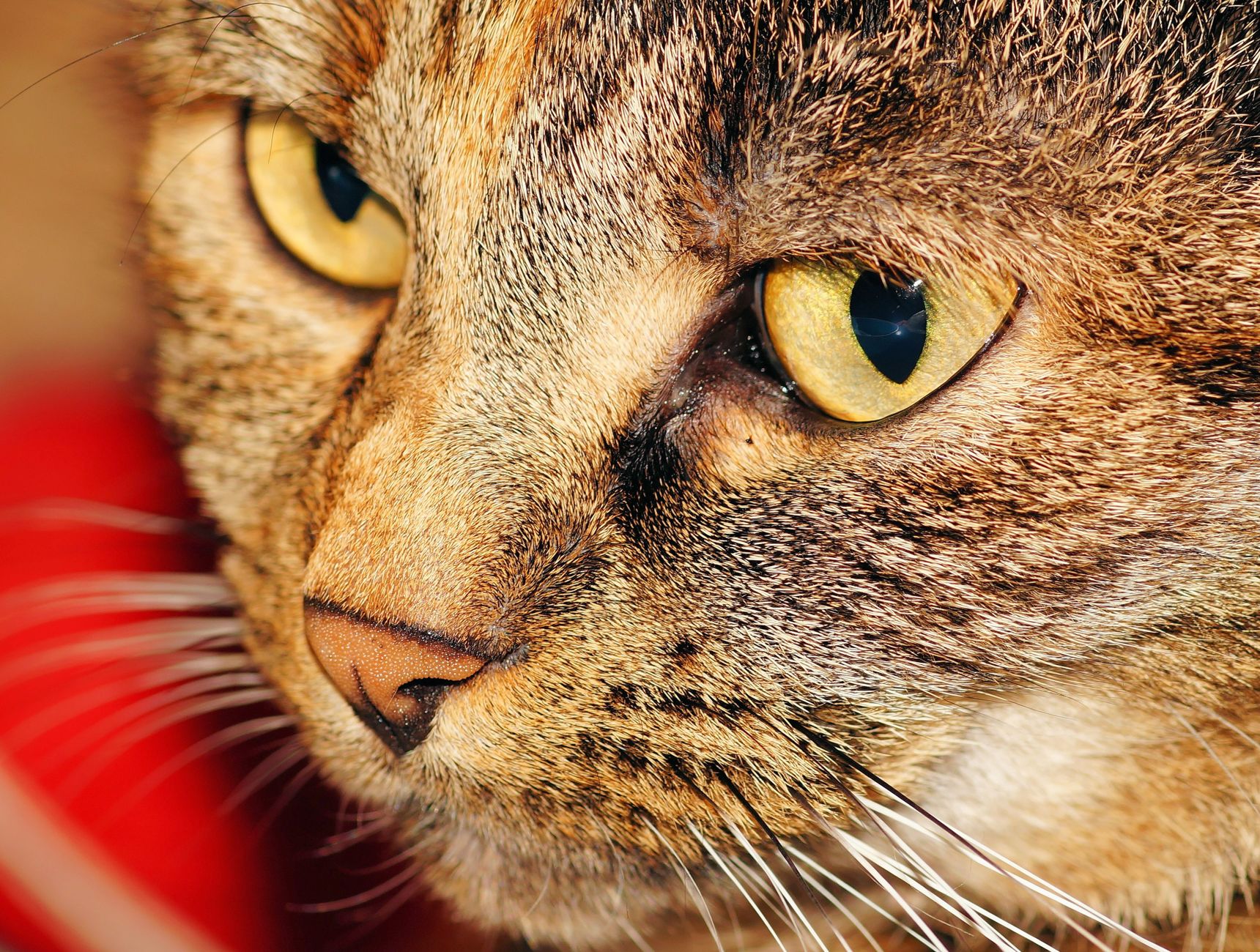
A feline-focused experience is coming to the Fountain Hills, Arizona area this season, offering cat owners and enthusiasts a dedicated opportunity to explore pet care, breed information, and behavioral insights in one place. Rather than scattered workshops or generic pet events, this type of gathering recognizes that cat owners have distinct needs that differ significantly from dog-oriented pet expos—from grooming and nutrition tailored to feline physiology to behavior modification techniques that account for how cats actually think and respond to their environment. If you’ve struggled to find quality cat-specific content at mainstream pet events, or watched presentations diluted to cover both dogs and cats with equal (and therefore insufficient) depth, a focused feline experience represents a meaningful shift.
This season’s offering acknowledges what many cat owners already know: feline care requires specialized knowledge. Cat behavior, stress responses, veterinary considerations, and enrichment strategies operate on fundamentally different principles than canine ones. An event structured around feline health and behavior allows vendors, veterinarians, and behavior specialists to go deeper into topics like managing multi-cat households, understanding your cat’s body language, addressing common behavioral issues, and making informed breed and adoption choices.
Table of Contents
- What to Expect From a Dedicated Feline Experience Event
- Understanding Feline Behavior and Health Beyond Basic Ownership
- Nutritional Guidance and Dietary Considerations
- Finding the Right Veterinary Care and When to Seek Specialists
- Breed-Specific Health and Behavior Considerations
- Managing Multi-Cat Households and Introduction Protocols
- Practical Enrichment and Home Environment Design
What to Expect From a Dedicated Feline Experience Event
feline-focused events typically combine educational seminars with hands-on activities and vendor booths—but organized specifically around cat needs and cat behavior. You might find sessions on recognizing stress signals in cats (which differ sharply from canine anxiety), nutritional considerations for different life stages, or how to introduce cats to new environments safely. Breed-specific talks allow owners of particular types—whether you have a Bengal, Persian, Maine Coon, or domestic shorthair—to learn about health predispositions, grooming requirements, and behavioral traits specific to their cat.
Unlike general pet expos where feline content often gets relegated to a small corner, a dedicated event puts veterinary dermatologists, feline behavior consultants, and nutritionists on equal footing with each other. You’ll encounter vendor booths for specialized cat foods, enrichment products designed with feline behavior in mind, and cat-specific grooming services rather than general pet grooming vendors. The difference matters: a groomer who specializes in cats understands that cats have different fear responses than dogs and may need entirely different handling approaches.
Understanding Feline Behavior and Health Beyond Basic Ownership
One significant advantage of attending a feline-specific event is exposure to advanced understanding of cat behavior that goes beyond “my cat scratches the furniture” or “my cat hates the vet.” Veterinary behaviorists and certified feline behavior consultants can discuss pheromone therapy, environmental enrichment design, litter box problem prevention, and multi-cat household dynamics with the depth they deserve. However, there’s a limitation worth noting: attending one event won’t resolve deep behavioral issues that may require individual consultation with a board-certified behavior specialist over weeks or months. Many cat owners operate with outdated assumptions about feline behavior—the belief that cats are aloof, don’t need environmental enrichment, or are simply difficult compared to dogs.
These misconceptions can lead to inappropriate care decisions. A well-structured feline experience includes sessions that challenge these myths with current research, showing how environmental stagnation contributes to behavioral problems and health issues like obesity and diabetes. You’ll learn why enrichment isn’t optional luxury but integral to feline wellbeing.
Nutritional Guidance and Dietary Considerations
Cats have dietary needs that diverge markedly from dogs. They’re obligate carnivores, meaning they require nutrients like taurine and arginine that aren’t essential for dogs, and their digestive systems are adapted for high-protein diets. A feline-focused event will include nutritionists and veterinarians who can discuss the differences between dry food, wet food, raw diets, and prescription diets, along with how to assess food quality and read ingredient labels with an understanding of feline-specific nutritional science.
The challenge: the pet food market exploits cat owner confusion with marketing claims that don’t align with actual nutritional requirements. At a dedicated event, you can ask specialists direct questions about why your senior cat needs different nutrition than your young adult, or how to address obesity without risking hepatic lipidosis (a potentially fatal condition that cats are uniquely vulnerable to during rapid weight loss). A vendor promoting a specific diet will be present alongside credentialed nutritionists offering independent guidance, allowing you to evaluate claims more critically.
Finding the Right Veterinary Care and When to Seek Specialists
General practice veterinarians can provide basic feline care, but many conditions benefit from feline medicine specialists—veterinarians who limit their practice to cats. At a feline experience event, you’ll encounter veterinarians with varying levels of specialization and can ask directly about their experience with conditions relevant to your cat. This is particularly valuable if you have a senior cat, a cat with chronic illness, or breed-specific health concerns like the kidney disease predisposition in Persians or hypertrophic cardiomyopathy in some breeds.
The practical tradeoff: feline specialists often have longer wait times and higher fees than general practitioners, but offer deeper expertise for complex cases. A general practice veterinarian may be entirely appropriate for a young, healthy cat’s routine care, while a specialist becomes valuable when dealing with diabetes management, chronic kidney disease, or behavioral problems that have resisted standard interventions. Attending an event lets you meet practitioners in your area and understand what specialization options exist before you need them urgently.
Breed-Specific Health and Behavior Considerations
Different cat breeds carry distinct health predispositions and behavioral traits that owners should understand before adoption or purchase. Maine Coons have higher rates of hip dysplasia and hypertrophic cardiomyopathy. Persians are prone to kidney disease and polycystic kidney disease. Bengal cats may exhibit behavioral challenges that frustrate owners unprepared for their high energy and specific environmental needs.
A feline experience event offers breed-specific seminars where you hear directly from breeders, veterinarians specializing in that breed, and owners about realistic expectations. One important warning: if you’re considering purchasing a kitten, attend breed-specific information sessions critically. Reputable breeders will discuss health testing and genetic predispositions openly. If a breeder or vendor glosses over health concerns or claims their line has “no genetic issues,” that’s a significant red flag. The event should help you distinguish between responsible breeding practices and practices that prioritize profit over individual cat welfare.
Managing Multi-Cat Households and Introduction Protocols
Many attendees at a feline event own or are considering adding multiple cats. Introducing cats safely requires understanding feline hierarchy, territory, and stress responses—knowledge that most general pet resources don’t adequately cover.
At specialized sessions, behavior consultants can walk through proper introduction protocols that take weeks or months, explain why forcing cats together quickly often causes lasting relationship damage, and discuss how to manage cats with genuinely incompatible personalities. For example, if you have a highly stressed cat and are considering adding a kitten for companionship, a behavior specialist can explain why that rarely works as intended and offer alternative solutions, such as using pheromone diffusers or environmental modification to reduce the resident cat’s stress rather than adding a second cat. This kind of specific, reality-based guidance prevents expensive mistakes and unnecessary stress for your cats.
Practical Enrichment and Home Environment Design
Indoor environmental enrichment isn’t about expensive toys—it’s about understanding what cats actually do when given choices and creating an environment that accommodates natural behaviors. Vertical space, hunting simulations, access to windows, scratch surfaces appropriate to your cat’s preference, and litter box placement all affect your cat’s wellbeing and behavior. At a feline experience event, you can see enrichment products and strategies in action, ask questions about what actually works versus what’s marketing, and get practical advice on implementing enrichment in apartments or homes where space is limited.
A specific example: many cat owners buy the same scratching post their cat ignores and assume their cat simply doesn’t scratch appropriately. In reality, cats have individual substrate preferences—some prefer vertical rope, others horizontal sisal, still others corrugated cardboard. Handlers at an event can help you identify your cat’s preference and show you how to place scratching surfaces strategically to redirect scratching from furniture. This kind of practical problem-solving grounded in feline behavior makes the event immediately useful to attendees.