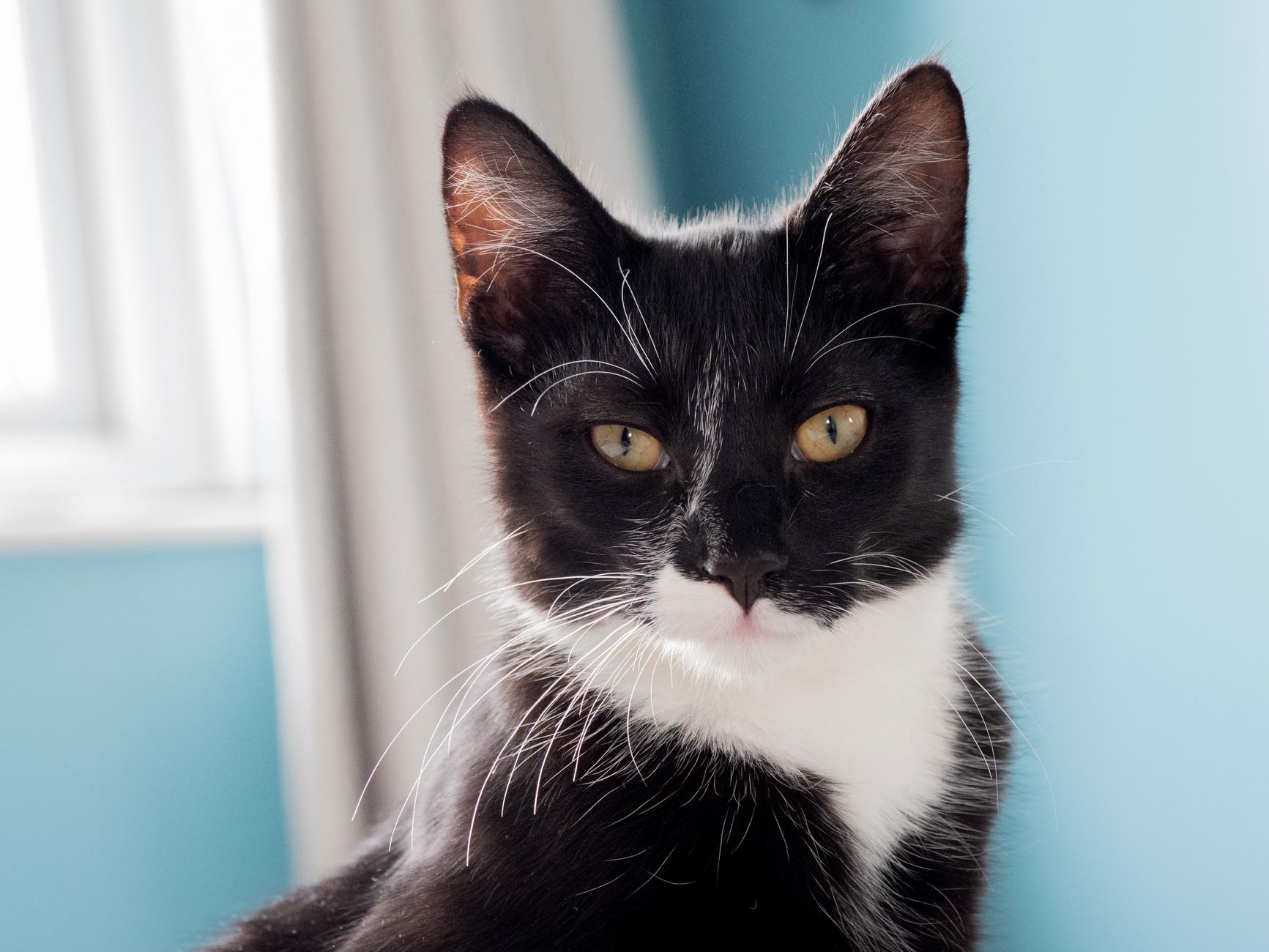
A kitten rescued from the scene of a Maryland crime spree is now ready to find a permanent home. Kittens caught in traumatic situations—whether as bystanders to human conflict or caught in dangerous environments—often require careful assessment and preparation before they are deemed suitable for adoption. Shelters and rescue organizations evaluate these animals for both physical injuries and emotional distress, ensuring they can safely transition into family life.
This kitten’s availability for adoption marks the completion of an intake and evaluation period during which shelter staff assessed its medical needs, behavioral responses, and readiness for a new household. The journey from rescue to adoptability involves thorough veterinary care, behavioral observation, and often a period of gradual acclimation to human contact. Animals rescued from crime scenes may have experienced noise, chaos, or rough handling that leaves lasting impressions on their nervous systems. For potential adopters, understanding what this background means and how to support a traumatized animal’s recovery is essential to ensuring a successful placement.
Table of Contents
- What Adopting a Rescue Kitten From a Trauma Situation Really Means
- Medical Care and Health Screening for Rescue Situations
- The Emotional Needs of a Kitten Transitioning to Adoption
- Preparing Your Home and Setting Up for Success
- Recognizing and Managing Behavioral Challenges
- Building Trust Through Consistency and Small Victories
- Long-Term Recovery and Realistic Timelines
- Frequently Asked Questions
What Adopting a Rescue Kitten From a Trauma Situation Really Means
When a kitten is rescued from a crime scene or similar traumatic environment, its adoption comes with realities that differ sharply from adopting a kitten born in a foster home or shelter’s quiet nursery. A trauma-exposed animal may have unpredictable reactions to sudden movements, loud noises, or changes in routine—not because it is aggressive, but because its nervous system is primed to interpret threats. Some rescue kittens display hypervigilance, darting under furniture or hiding for extended periods after arriving home. Others may swing between extreme fearfulness and sudden, aggressive playfulness as they process their experience.
Shelters managing this kind of rescue typically observe the kitten’s behavior over several weeks or months before declaring it adoption-ready. Staff watch for how the animal responds to handling, whether it shows signs of pain or illness, and whether its fear responses are moderate and manageable or so severe that they would make adoption inadvisable. A kitten that flinches at every sound but accepts food and occasional gentle petting from caretakers may be adoptable with the right match; one that bites unpredictably or refuses food entirely may need more time. This evaluation period is not a punishment or delay—it is insurance that the adoption will succeed rather than fail and result in the kitten being returned to the shelter.
Medical Care and Health Screening for Rescue Situations
Kittens removed from crime scenes or chaotic environments undergo thorough veterinary examinations before adoption. These exams go beyond the standard wellness check, looking for injuries that might not be immediately visible—internal trauma, fractures, signs of dehydration, or stress-related illness. Shelters test for feline leukemia and feline immunodeficiency virus, vaccinate according to the kitten’s age, and often provide deworming and flea treatment. A kitten’s nutritional status is also assessed; animals in traumatic situations may have missed meals or had restricted access to food, leading to malnutrition that takes weeks to correct.
One limitation adopters should understand: a kitten can appear healthy during its shelter stay and still develop behavioral or medical issues after adoption. Stress can suppress symptoms of illness, and new stressors in the adoption environment may trigger health problems that were dormant. Some rescue kittens experience urinary issues or digestive upset in the first weeks at home, driven by anxiety rather than disease. Adopters should budget for a post-adoption veterinary visit, ideally within a week of bringing the kitten home, to establish a baseline and discuss any concerns with their veterinarian. Having a supportive vet relationship is especially important for animals with trauma backgrounds, as behavioral issues sometimes have medical roots.
The Emotional Needs of a Kitten Transitioning to Adoption
Beyond medical and behavioral evaluation, a kitten’s emotional readiness for adoption involves its capacity to form new attachments after loss or disruption. Many rescue kittens have lost their mother, littermates, or previous caretakers—whether through the crime or rescue event itself or through circumstances that led to the crime scene situation. Building trust with a new family is not automatic; it requires patience, consistency, and an understanding that the kitten may regress during stressful moments. Adopters often report that rescue kittens show distinct personality shifts in the first two to four weeks at home. A kitten that was friendly during shelter visits may become withdrawn after adoption, hiding and avoiding interaction.
This is normal. The animal is processing a new environment, new people, new smells, and new routines—all while carrying nervous system activation from its previous trauma. Setting up a quiet, contained space (like a single bedroom or large closet) where the kitten can retreat, eat, and use a litter box without overstimulation can dramatically improve the adjustment. Forcing interaction or punishing fearful behavior will reinforce the kitten’s belief that the world is unsafe. Instead, allowing the kitten to approach you at its own pace—even if that takes weeks—builds genuine security.
Preparing Your Home and Setting Up for Success
Adopting a rescue kitten requires practical preparation that goes beyond what many first-time adopters expect. The home environment should minimize triggers and provide multiple escape routes and hiding spots. Vertical space is particularly important; shelves, cat trees, or wall-mounted perches give a frightened kitten places to retreat where it feels safe and can observe the household from a distance. Adopters should also secure potentially dangerous items—medications, cleaning supplies, small objects that could be swallowed—because a kitten in survival mode may investigate or ingest things a calm kitten would avoid. Soundproofing or reducing household noise during the first adjustment period is a worthwhile tradeoff.
If the family’s routine includes loud vacuum cleaning, music practice, or frequent guests, the kitten’s initial recovery will be slower. Once the animal is settled and bonded, it will acclimate to normal household sounds more easily. Some adopters find that playing soft music or white noise helps mask unpredictable noises from outside (sirens, construction, other pets). Food and water should be placed in calm, predictable locations, away from high-traffic areas. A frightened kitten that has to cross an open room to eat is more likely to go hungry than one with a quiet feeding station in an alcove or corner.
Recognizing and Managing Behavioral Challenges
Behavioral issues in rescue kittens often manifest differently than in kittens with stable early histories. Some rescue kittens display resource guarding—eating very quickly, hoarding food, or becoming aggressive if approached during meals—even if they have plenty of food available. This behavior reflects past scarcity and is not a sign of aggression toward people; it is fear-based protection of a survival resource. Other kittens exhibit inappropriate elimination, urinating or defecating outside the litter box despite being litter trained. This can indicate anxiety, medical issues, or both. A kitten that had inconsistent access to litter boxes during its rescue situation may have developed poor habits, or it may be marking territory as a sign of stress.
Aggression during play is another common behavioral issue in trauma-exposed kittens. Some become overstimulated very quickly, escalating from gentle pouncing to biting and scratching with intensity that surprises adopters. This often reflects the kitten’s nervous system being stuck in a high-alert state, where it cannot distinguish between play and threat. Adopters who respond with punishment—yelling, hitting, or spray bottles—will only confirm to the kitten that the world is dangerous and humans are threats. Instead, managing play sessions to keep them brief and low-intensity, redirecting bites to toys rather than hands, and giving the kitten breaks helps the nervous system gradually recalibrate. Many rescue kittens benefit from the presence of another calm, social kitten or adult cat, which can model secure behavior and help the rescue kitten learn that safety is possible.
Building Trust Through Consistency and Small Victories
Earning a rescue kitten’s trust is a gradual process built on predictable, safe interactions. This means feeding the kitten at consistent times, establishing a predictable playtime routine, and avoiding sudden changes to the home environment. When the kitten shows small signs of relaxation—slower blinks, purring, lying on its side—these are victories worth recognizing. Some adopters photograph or journal these moments, both to celebrate progress and to remind themselves during frustrating periods that the kitten is, in fact, improving.
Trust building can accelerate when adopters use food-based positive reinforcement, offering small treats during calm moments or when the kitten initiates contact. One concrete example of this approach: if the kitten approaches you while you’re sitting still and allowed to touch your hand, immediately offer a small, high-value treat and remain still, allowing the kitten to investigate at its own pace. Over repeated interactions, the kitten learns that approaching humans leads to good outcomes. This is far more effective than the adopter reaching out, trying to pet the kitten, and inadvertently creating a situation where the kitten learns to avoid human hands.
Long-Term Recovery and Realistic Timelines
Recovery from trauma is not a linear process, and even kittens that appear to be making good progress may have setbacks triggered by unexpected events—a visitor, a car backfire, a change in routine. Some rescue kittens remain somewhat skittish throughout their lives, never quite losing their vigilance. This does not mean the adoption has failed; it means the adopter has accepted and accommodated the kitten’s baseline personality. Many rescue kittens eventually bond deeply with their adoptive families, becoming affectionate and secure in ways that seem to contradict their early shyness. The key to long-term success is maintaining the environment and routines that helped the kitten feel safe during the early adjustment period, then gradually introducing new elements only when the kitten is stable.
Playtime can increase in intensity and duration as the kitten becomes less reactive. The kitten can gradually be exposed to more household activity, more visitors, and more variations in routine. This gradual exposure helps the kitten’s nervous system finish processing its trauma rather than getting stuck in a permanent state of fear. Some rescue kittens reach full social confidence within months; others take a year or more. Both timelines are normal, and neither indicates failure on the adopter’s part.
- —
Frequently Asked Questions
How long does a rescue kitten typically stay in the shelter before adoption?
The timeline varies depending on the kitten’s medical and behavioral needs. Some may be ready within weeks; others require months of recovery, observation, and socialization before shelters consider them suitable for placement.
Will a rescue kitten’s trauma affect it for life?
Not necessarily. Many rescue kittens recover well and become fully confident, secure pets. Others retain mild wariness or startle responses. Consistent, patient care significantly improves long-term outcomes.
Is a rescue kitten safe to adopt if I have young children?
This depends on the individual kitten’s temperament and your family’s ability to manage interactions carefully. Shelters can discuss which rescue kittens are best suited to households with children and may recommend animals with lower stress reactivity.
What should I do if my adopted kitten isn’t using the litter box?
Start with a veterinary visit to rule out medical issues like urinary tract infection. If the kitten is medically healthy, the issue is likely stress-related or habitual. Ensure you have multiple litter boxes in quiet, accessible locations, and avoid punishing the kitten, which will increase anxiety.
Can a rescue kitten live with other pets?
Many can, but the introduction process requires careful management. A rescue kitten’s trauma responses may be heightened around other animals, or another pet’s behavior may trigger fear. Gradual, supervised introductions over weeks or months give the best outcomes.
Should I expect to spend more on veterinary care for a rescue kitten?
Possibly. Trauma-exposed kittens sometimes develop stress-related health issues or behavioral problems that require professional consultation. Having an established relationship with a veterinarian and budgeting for additional visits is wise.