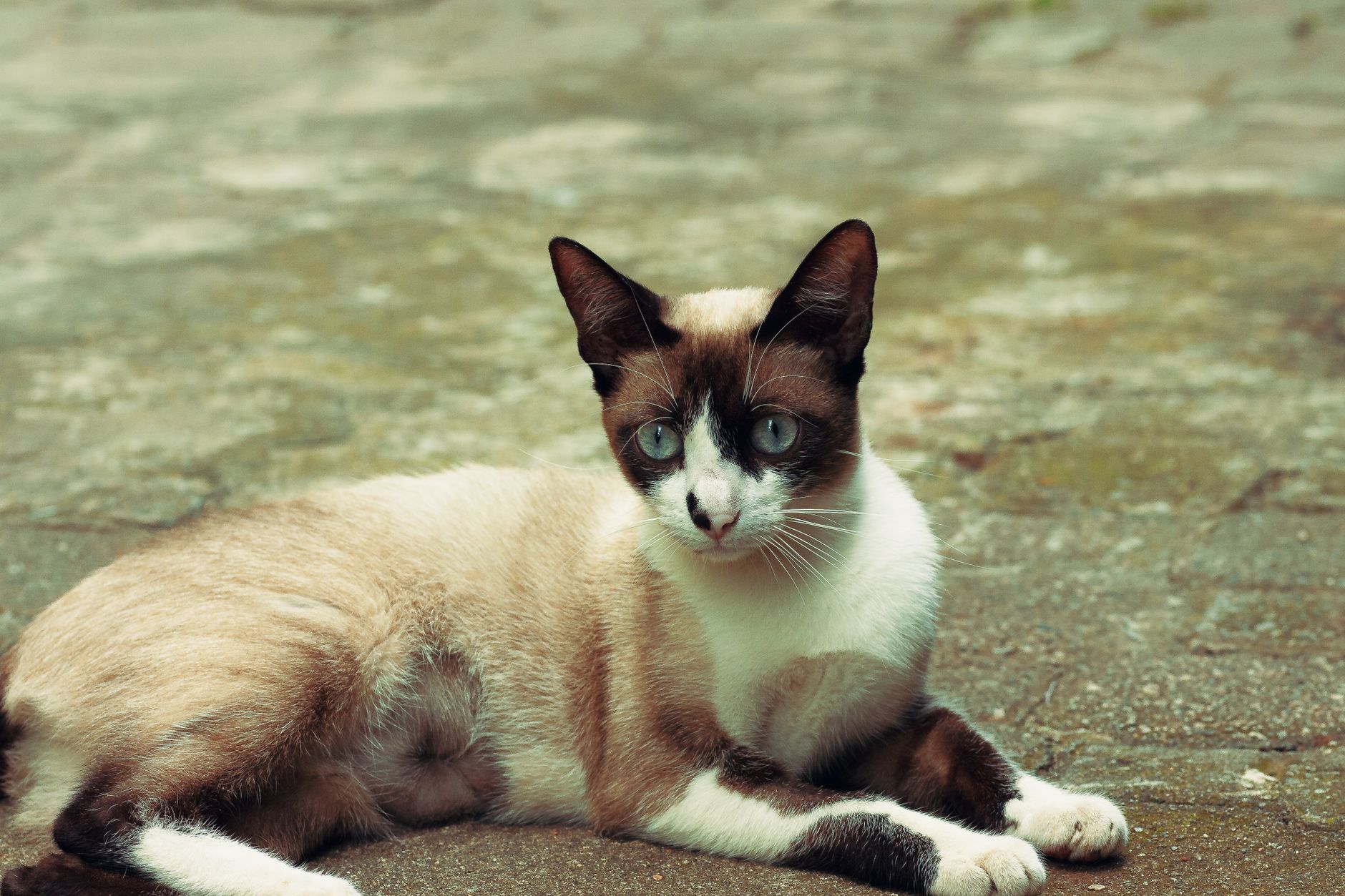
Rare and exotic cat breeds do periodically become available through adoption channels, though they are far less common in shelters and rescues than domestic mixed breeds. When a rare breed does become adoptable—whether through breed-specific rescues, owner surrenders, or sanctuary placements—it represents an opportunity for feline enthusiasts to provide a home to cats with distinctive traits and specialized needs. These breeds often require particular living conditions, dietary considerations, and medical care that differ substantially from standard domestic cats. The reality of rare breed adoption is that these cats are rarely placed by chance.
Most come through deliberate rescue networks focused on specific breeds, situations where breeders have closed operations, or circumstances where owners discovered they were unprepared for the breed’s demands. A Bengal might be surrendered because its high energy and climbing instincts destroyed an apartment’s furnishings. A Sphynx might be relinquished due to the unexpected costs of regular bathing and skin care. Understanding what leads to rare breed availability, and what responsibilities accompany these cats, is essential before pursuing adoption.
Table of Contents
- What Makes Certain Cat Breeds Considered “Rare” and Worth Adopting?
- Understanding the Specialized Needs of Rare Cat Breeds
- Finding Legitimate Adoption Sources for Rare Breed Cats
- Evaluating Your Home and Lifestyle Readiness for a Rare Breed Cat
- Common Health Concerns and Genetic Considerations in Rare Breeds
- Behavioral Assessment and Introduction Protocols for Rare Breed Adoptions
- The Financial and Time Commitment Beyond Adoption
What Makes Certain Cat Breeds Considered “Rare” and Worth Adopting?
Rare cat breeds are defined primarily by limited gene pools, selective breeding criteria, and lower overall population numbers compared to domestic shorthairs or common breeds like Maine Coons or Persians. Breeds like the Singapura, Devon Rex, Cornish Rex, and Burmese fall into this category, though “rare” varies by geography—a breed common in one country may be nearly unknown in another. These breeds typically possess distinctive physical or behavioral traits: hairlessness, unusual ear shapes, compact builds, or distinctive vocalizations and temperaments. They are rare not because they are newer but because their breeding requires careful attention to genetic diversity and health screening, limiting how many breeders responsibly maintain the line.
When a rare breed becomes available for adoption rather than purchase from a breeder, it can represent genuine value—though not in the financial sense that adoption typically implies. An adoptable rare breed cat might cost hundreds to thousands of dollars to place through a rescue, compared to the zero-dollar adoption fee for a shelter domestic shorthair. However, the cost reflects legitimate screening, medical care, and behavior assessment already completed by the rescue. The tradeoff is significant: adopters gain access to a specific breed’s traits and appearance, but surrender the predictability and low-cost medical care of a common domestic breed. A rare breed’s specific genetic predispositions—such as the increased risk of progressive retinal atrophy in some lines or heart conditions in others—mean adopters must commit to specialized veterinary oversight.
Understanding the Specialized Needs of Rare Cat Breeds
Each rare breed arrives with care requirements that differ substantially from standard cats, and these requirements are often why rare cats end up needing adoption in the first place. Hairless breeds like the sphynx demand weekly or bi-weekly baths to remove oil buildup on the skin, regular ear cleaning due to excessive earwax production, and protection from sunburn and cold. They cannot be left alone for extended periods in uncontrolled temperatures. Rex breeds with curly or wavy coats require careful grooming to prevent matting and maintain coat health. Bengal cats need extensive environmental enrichment—climbing structures, interactive play sessions, and space to sprint—that apartment living often cannot provide.
Adopters discovering these demands post-placement frequently become part of the adoption overflow. The behavioral intensity of some rare breeds exceeds what casual cat owners anticipate. Bengals, despite being only a few generations removed from Asian Leopard Cat ancestry, carry high prey drive and energy levels that domestic cats do not. They are vocal, territorial, and require active engagement throughout the day. Siamese and related breeds are intensely social and can develop destructive behaviors or extreme vocalization if left alone regularly. These are not cats suited to adopters who work long hours, travel frequently, or prefer independent, low-maintenance pets. A limitation many breeders disclose but potential adopters minimize is that rare breeds are genuinely different animals requiring different daily routines and commitment levels.
Finding Legitimate Adoption Sources for Rare Breed Cats
Rare breed adoptions occur through specific channels distinct from general animal shelters. Breed-specific rescue organizations operate throughout most developed countries, maintaining networks of foster homes and adoption protocols tailored to the breed’s needs. These rescues thoroughly vet adoptive homes, often requiring references, home visits, and signed agreements about breeding (most rare breeds adopted through rescue carry sterilization requirements). Online platforms like Petfinder and Adopt-a-Pet have breed-specific filtering, though the true treasure for rare breed adoption is direct outreach to established breed clubs.
The International Cat Association and The Cat Fanciers’ Association both maintain directories of rescues aligned with specific breeds. When investigating a specific rare breed availability, contacting breed-specific Facebook groups, local breed clubs, and established rescue organizations yields more reliable information than browsing general adoption sites. A person seeking a Singapura, for instance, will find far better results by contacting the International Singapura Cat Society than by scrolling shelter listings. These specialized networks maintain institutional knowledge of which breeders responsibly place cats, which rescues currently have adoptable animals, and which situations frequently produce surrenders. The legitimate adoption of rare breeds is often pre-arranged rather than spontaneous, reflecting the organized nature of these communities.
Evaluating Your Home and Lifestyle Readiness for a Rare Breed Cat
Adopting a rare breed requires honest self-assessment about daily routines, environmental features, and financial capacity. Hairless breeds demand climates where temperature control is reliable; adopting a Sphynx in a region with frequent power outages or seasonal heating failures is a setup for failure. High-energy breeds like Bengals need vertical space—floor-to-ceiling climbing structures, catwalks, or shelving systems—that not all living situations can accommodate. Adopters should consider work schedules: rare breeds tolerate extended alone time poorly compared to domestic shorthairs. A household where someone works from home or has flexible scheduling supports rare breed adoption far better than one where all occupants work full-time outside the home.
The financial comparison is significant. Standard veterinary care for a rare breed—annual exams, vaccinations, emergency treatment—costs the same as for domestic cats. However, breed-specific health screening, preventive testing for genetic conditions, and specialized care for skin, ear, or other breed-related issues adds substantial ongoing expense. Hairless breed care alone runs several hundred dollars annually in grooming supplies, dermatological care, and environmental management. A financial commitment to rare breed adoption includes not just adoption fees but budget allocation for specialized veterinary care, environmental modifications, and prevention of breed-specific health problems.
Common Health Concerns and Genetic Considerations in Rare Breeds
Rare breeds, particularly those developed through limited gene pools or with exaggerated physical traits, carry higher incidence of specific genetic health conditions than domestic shorthairs. Hairless breeds face increased risk of skin infections, sebaceous adenitis, and sun sensitivity. Certain lines of breeds like the Burmese or Russian Blue show elevated rates of craniofacial defects or polycystic kidney disease. Bengal cats can inherit progressive retinal atrophy from wild ancestry. Adopters should request complete medical histories, genetic screening results, and disease registries from rescues before placement.
A warning: health guarantees or warranties are rarely offered in adoption settings, and adopters must assume responsibility for managing genetically influenced conditions. Preventive health care is more critical in rare breed adoption than in typical shelter placement. Regular veterinary screening for breed-specific conditions—ultrasound for kidney disease, genetic testing for retinal conditions, or dermatological monitoring for skin disorders—should be built into the ongoing care plan. Some rare breed rescues require or strongly recommend pet insurance enrollment before adoption, as emergency or chronic condition treatment costs can rapidly exceed the breed’s initial adoption fee. Adopters who cannot commit to proactive health management should reconsider rare breed adoption.
Behavioral Assessment and Introduction Protocols for Rare Breed Adoptions
Rare breed rescues typically conduct behavioral assessment before placement, identifying any aggression, fear, or other behavioral patterns that would limit suitable homes. This assessment is more formalized than many general shelter processes, reflecting the breed communities’ investment in successful placements. The rescue will provide specific guidance on introductions, environmental setup, and behavioral expectations. Introduction to new homes should occur gradually, with dedicated quiet spaces, litter boxes, food stations, and escape routes established before the cat enters the main living area.
Some rare breeds adjust quickly; others require weeks or months to acclimate, and early problems should be reported to the rescue rather than addressed in isolation. A specific example: a Bengal adopted through rescue will arrive with notes about territorial behaviors, prey drive triggers, and appropriate toy types. The rescue has documented whether the cat lived with dogs, children, or other cats previously, and makes placement recommendations accordingly. This structured transition supports both the cat’s welfare and the adopter’s success, reducing the likelihood of second placement failure.
The Financial and Time Commitment Beyond Adoption
The true cost of rare breed adoption extends far beyond the adoption fee itself. Adopted rare breed cats may require environmental modifications: installing catwalks, purchasing specialized climbing furniture, setting up basking spots with controlled temperature for hairless breeds, or investing in interactive feeding puzzles and enrichment systems. These modifications can cost hundreds to thousands of dollars depending on the breed and the current state of the home. A Bengal owner might budget $500-$2000 for climbing structures and environmental enrichment necessary for the breed’s mental health. A Sphynx owner faces ongoing monthly expenses for specialized shampoos, conditioners, and wipes, along with regular professional grooming if the cat tolerates it.
Time commitment is equally substantial. Daily interactive play sessions—not passive coexistence but active engagement with toys, clicker training, or outdoor enclosure time—are non-negotiable for high-energy breeds. Regular coat care, nail maintenance, and ear cleaning for specific breeds consume 15-30 minutes per week beyond standard cat care. Veterinary appointments for breed-specific screening and monitoring occur more frequently than routine care. Adopters who underestimate this demand frequently find themselves overwhelmed within weeks, leading to another adoption cycle. The rarest breed of cat—and the most valuable from a rescue perspective—is the one whose adopter can sustain commitment through both ordinary days and unexpected challenges.