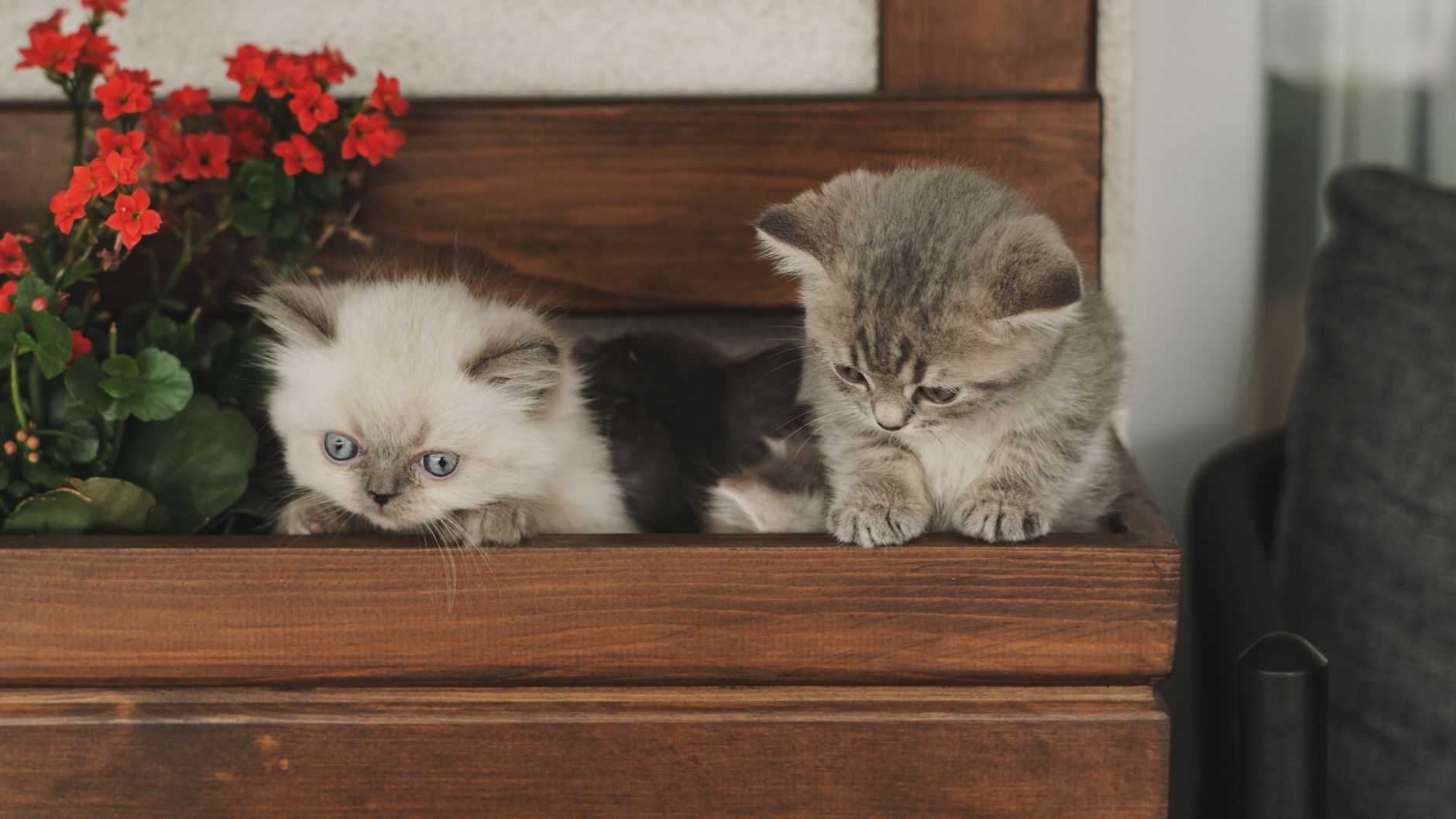
At seven weeks old, a Maine Coon kitten is already noticeably larger than most kittens of the same age, and significantly bigger than many fully grown domestic cats. Maine Coons are born into a trajectory of exceptional growth that sets them apart from common household felines from their earliest weeks. A seven-week-old Maine Coon might already weigh two to three times what an average kitten of the same age weighs, a dramatic difference that becomes obvious the moment you hold one alongside a typical tabby or domestic shorthair of the same vintage.
This size advantage isn’t a fluke or result of selective overfeeding—it’s written into the breed’s genetics. Maine Coons originate from a harsh climate where larger body mass provided survival advantages, and centuries of natural and intentional breeding have locked in rapid early growth as a breed characteristic. Unlike many other large domestic animals, which reach adult proportions only after months or years, Maine Coons begin their size dominance almost immediately.
Table of Contents
- How Early Does a Maine Coon Kitten Show Size Differences?
- Growth Patterns and Development Stages in Maine Coons
- Physical Characteristics Beyond Size
- Managing a Large Kitten in Your Home
- Health and Growth-Related Concerns
- Behavioral Implications of Size
- Long-Term Size Expectations and Comparisons
- Frequently Asked Questions
How Early Does a Maine Coon Kitten Show Size Differences?
maine Coon size differences become apparent surprisingly fast, often noticeable within the first few weeks of life. By seven weeks, a Maine Coon kitten typically displays bone density, paw size, and body mass that suggest a much older kitten from another breed. A seven-week-old Maine Coon placed next to a seven-week-old domestic kitten of equal genetic health shows a visible gap in physical presence—the Maine Coon will have larger paws, a thicker frame, and more substantial muscle development, even at this tender age.
The breed’s growth rate during the first two months is notably steeper than other kittens. While average domestic kittens weigh roughly 400–600 grams at seven weeks, Maine Coon kittens of the same age may already exceed 800 grams to over 1 kilogram. This rapid growth is perfectly normal for the breed and reflects their genetic predisposition, not overeating or improper nutrition. However, this accelerated metabolism and growth rate means Maine Coon kittens require more calories and specific nutrition than their similarly-aged peers.
Growth Patterns and Development Stages in Maine Coons
Maine Coons experience an extended growth period compared to other domestic cats. While average domestic cats reach full physical maturity around 12 to 18 months, Maine Coons typically continue growing and filling out until three to five years of age, sometimes even longer. This prolonged developmental window means that a seven-week-old Maine Coon is truly at the beginning of its size journey—not a finished product, but a foundation for even more substantial growth ahead.
One key limitation to understand is that rapid growth in large breeds like Maine Coons increases the risk of developmental orthopedic disease, particularly hip dysplasia and other joint issues. Feeding high-quality kitten food formulated for large breed growth, rather than generic or human food, is essential during this stage. Owners should resist the temptation to accelerate growth through overfeeding or inappropriate supplementation, as this compounds joint stress and can create long-term health problems. The kitten’s growth should follow its natural pace, supported by appropriate nutrition rather than pushed beyond it.
Physical Characteristics Beyond Size
A seven-week-old Maine Coon kitten displays breed-typical features beyond sheer mass. The ears are already prominent and may appear oversized relative to the head—a classic Maine Coon trait that becomes less pronounced proportionally as the head and body catch up in growth. The paws are distinctly large and often visibly tufted, another signature feature of the breed. The tail, even at this early stage, is noticeably thick and substantial, quite different from the finer tail structure of average kittens.
The facial structure also shows Maine Coon characteristics early on. The muzzle is broader and the face is longer than in typical domestic kittens, giving the kitten a more mature or leonine expression even at seven weeks. The coat, while still soft and fine in texture as befits a young kitten, may already show hints of the luxurious length and texture that Maine Coons eventually develop. All of these features combine to make a seven-week-old Maine Coon visually distinctive long before it approaches adult size.
Managing a Large Kitten in Your Home
A seven-week-old Maine Coon kitten requires different environmental planning than a typical kitten. Standard kitten toys, climbing structures, and play furniture designed for average cats may be quickly outgrown or inadequate for the kitten’s actual and anticipated size. Many owners find that investing in heavy-duty, tall cat trees and sturdy climbing structures suited for larger cats is worthwhile earlier for Maine Coons than it would be for other breeds. Lightweight or flimsy furniture intended for average cats risks tipping or breaking under the weight of an active large kitten.
Litter box selection also becomes a practical consideration. Standard cat litter boxes may feel cramped for a rapidly growing Maine Coon kitten, and by adulthood, many Maine Coons require extra-large litter boxes or modifications like removing one side to allow comfortable entry and exit. Starting with appropriately sized equipment early prevents repeated replacements and reduces stress for the kitten. Food and water bowls should be at an appropriate height to prevent strain as the kitten grows taller, a detail easily overlooked but relevant for comfort and digestion.
Health and Growth-Related Concerns
The rapid growth rate of Maine Coon kittens, while normal for the breed, does create specific health vulnerabilities that owners should monitor. Growing kittens of large breeds require balanced calcium and phosphorus ratios to support bone development safely. Feeding exclusively homemade, unbalanced, or inappropriate commercial diets during the growth phase can lead to developmental issues. A veterinarian familiar with large breed kittens can recommend appropriate nutrition and monitor growth trajectory through regular check-ups.
Joint and bone development deserves particular attention during this stage. Signs of developmental issues—reluctance to jump, limping, or difficulty with stairs—should prompt immediate veterinary evaluation, even in a young kitten. While such problems are not inevitable, they are more common in large breeds, particularly if growth is accelerated through overfeeding or if genetic predisposition exists. Exercise should be age-appropriate and self-paced; allowing a kitten to play naturally without forced intensive activity reduces joint stress during the critical growth phase.
Behavioral Implications of Size
A seven-week-old Maine Coon kitten’s size already influences how it moves and interacts with its environment. The kitten’s center of gravity and motor control are adapted for a larger frame than typical kittens experience, meaning its jumping, climbing, and pouncing style may appear different—sometimes clumsier or more deliberate, sometimes more powerful. Rough play that might be gentle or harmless from a smaller kitten can be more intense or forceful from a Maine Coon of the same age, a distinction owners should keep in mind when introducing the kitten to other pets, children, or household members.
Many seven-week-old Maine Coon kittens display the breed’s characteristically social and interactive temperament early, though size can amplify both the benefits and challenges. A kitten that wants to play or cuddle on your lap or shoulders brings considerably more weight and strength than an average kitten, which some owners appreciate and others find overwhelming. Early socialization and training to appropriate play behavior and boundaries becomes particularly important in large breeds, since behaviors tolerated in a small kitten can become problematic if they persist as the cat matures to full size.
Long-Term Size Expectations and Comparisons
The seven-week-old Maine Coon you’re observing is genuinely just beginning its growth trajectory. By one year of age, that same kitten will likely already outweigh the average adult domestic cat. At full maturity—which may not arrive until three to five years of age—a Maine Coon can weigh substantially more than many popular small dog breeds, creating a living comparison that shocks visitors unfamiliar with the breed.
A fully grown male Maine Coon in a household alongside a typical domestic shorthair presents an unmistakable visual contrast, with the Maine Coon appearing almost like a different species within the cat family. Understanding this extended growth timeline helps owners set realistic expectations and plan appropriately for the cat’s long-term care. Furniture, carriers, grooming equipment, and veterinary care must all accommodate an animal significantly larger than most domestic cats. The investment in large-breed appropriate equipment and veterinary monitoring during the early weeks pays dividends across the cat’s entire lifespan, ensuring comfort and health as the kitten matures into an impressively large adult.
Frequently Asked Questions
Will my seven-week-old Maine Coon kitten continue growing this fast?
Growth rate tends to slow somewhat after the first few months, but Maine Coons remain in active growth for three to five years or longer. The rapid early growth phase you’re observing will moderate but not stop for quite some time.
Is my seven-week-old Maine Coon kitten overweight if it’s so much larger than other kittens?
Not necessarily. Maine Coons are genetically predisposed to larger size, and a healthy kitten of the breed will naturally weigh more at the same age. A veterinarian can assess whether your individual kitten is at an appropriate weight for the breed and its age.
Should I feed my Maine Coon kitten more food than other kittens?
Yes, Maine Coon kittens typically require more calories than average kittens due to their larger body mass and higher metabolic needs. Feeding quantity should match the kitten’s needs and growth stage, guided by the food manufacturer’s recommendations for large breed kittens and your veterinarian’s input.
When will my Maine Coon kitten reach full adult size?
Maine Coons often reach near-adult height and length by 12 to 18 months, but continue gaining muscle mass and filling out until three to five years of age or beyond. The timeline varies by individual.
Are there any special health risks for fast-growing Maine Coon kittens?
Developmental orthopedic disease and hip dysplasia are more common in large breeds, particularly if growth is rushed through overfeeding. Appropriate nutrition, moderate exercise, and regular veterinary monitoring help minimize these risks.