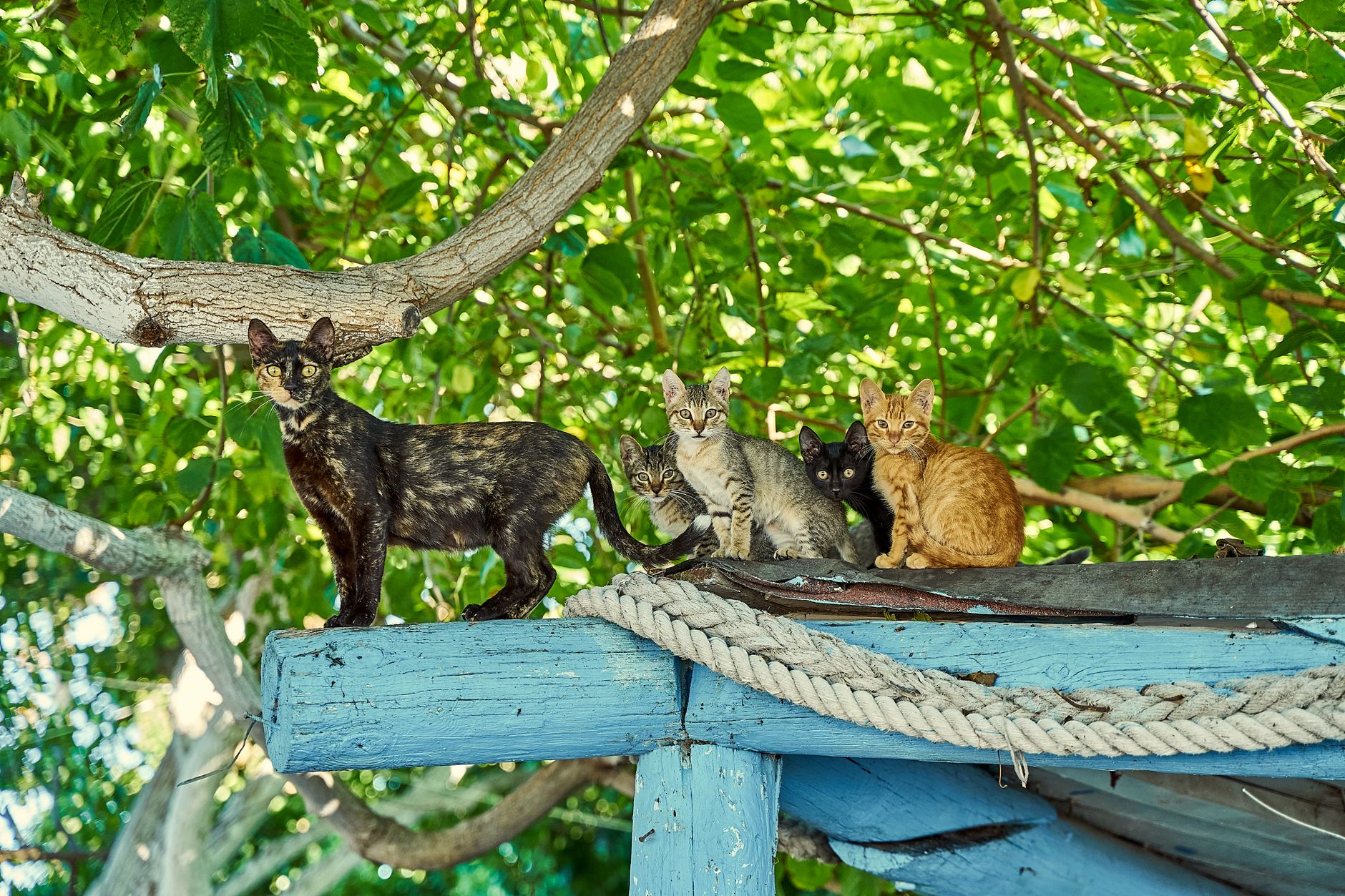
Yes, it is generally safe for cats to sunbathe for hours, and many cats instinctively seek out sunny spots for extended periods without issue. Cats are naturally drawn to sunlight because it helps them regulate body temperature, and their bodies are well-adapted to absorbing heat through their fur. Most healthy cats can spend 3 to 4 hours or more in direct sunlight without significant risk, particularly if they have access to shade and water nearby.
A typical scenario: an indoor cat positioned on a windowsill in the morning sun will naturally shift to shade as the day progresses and temperatures peak, demonstrating an innate ability to self-regulate their sun exposure. However, safety depends on several critical factors including outdoor temperature, humidity, the cat’s age and health status, coat color, and access to water and shade. Kittens, senior cats, and cats with certain health conditions face higher risks of heat-related stress during prolonged sun exposure, as do cats with light-colored or thin coats. The danger threshold isn’t the sunbathing itself—it’s the combination of extended heat exposure without adequate cooling options or hydration.
Table of Contents
- How Long Can Cats Safely Sunbathe in Direct Sunlight?
- Temperature Thresholds and Heat Risk During Extended Sunbathing
- The Biological Appeal of Sunbathing for Cats
- Creating Safe Sunbathing Environments for Extended Sessions
- Warning Signs of Heat Exhaustion During Sunbathing
- Age, Coat Color, and Individual Risk Factors in Sunbathing Safety
- Indoor Window Sunbathing Versus Outdoor Exposure Differences
- Frequently Asked Questions
How Long Can Cats Safely Sunbathe in Direct Sunlight?
The duration cats can safely sunbathe varies significantly based on environmental conditions and individual factors. Most healthy adult cats tolerate 2 to 4 hours of direct sunlight without problems, with some capable of extending this longer if shade and water are immediately available. On a mild 70-degree Fahrenheit day with a gentle breeze, a cat might comfortably lounge in direct sun for 4 to 5 hours. The same cat on a 90-degree day with high humidity could experience heat stress in just 2 to 3 hours, even if the cat’s behavior hasn’t changed—the external conditions have become riskier.
Outdoor cats often limit their own sun exposure by seeking shelter during peak heat hours (typically 11 a.m. to 3 p.m.), but not all cats follow this instinct reliably. Some cats become so focused on enjoying a warm sunny spot that they ignore early warning signs of overheating. A cat lounging on a dark roof or pavement in direct sun absorbs additional radiant heat from the surface itself, which can raise their actual temperature exposure considerably above what the air temperature suggests.
Temperature Thresholds and Heat Risk During Extended Sunbathing
cats maintain a normal body temperature of 99 to 102.5 degrees Fahrenheit—higher than humans—which gives them some natural tolerance for heat. However, once ambient temperatures exceed 85 to 90 degrees Fahrenheit, combined with sun exposure and low air circulation, cats become vulnerable to heat exhaustion within just 1 to 2 hours. The risk accelerates if the cat is overweight, has underlying respiratory disease, or takes medications that affect heat regulation. A critical limitation: cats cannot sweat efficiently like humans do.
They rely primarily on panting and vasodilation (widening blood vessels near the skin surface) to cool themselves, making them far less efficient at rapid cooling compared to humans. This means a cat overheating in a sunny spot cannot simply perspire to release excess body heat—the process is much slower. Humidity amplifies this problem dramatically. A cat in 85-degree, 80%-humidity conditions experiences the equivalent stress of a human in 95-degree, low-humidity weather, because the cat cannot cool as effectively when the air is already moisture-saturated.
The Biological Appeal of Sunbathing for Cats
Cats are instinctively drawn to sunbathing for multiple legitimate health reasons beyond simple comfort. Sunlight exposure stimulates vitamin D synthesis in their skin, promotes calcium absorption, and supports immune function. The warmth also promotes blood circulation, provides relief from joint stiffness, and contributes to the production of serotonin, which improves mood and reduces stress. For cats with arthritis or older cats with reduced mobility, a warm sunny spot isn’t luxury—it’s therapeutic.
The sensory experience of sunbathing triggers a cascade of positive neurological responses in cats. Warmth receptors in feline skin send signals that create a state of relaxation, which is why sunbathing often culminates in deep sleep. An elderly cat with mild arthritis might spend 3 to 4 hours in a sunny window daily, and those hours provide meaningful physical and psychological benefit. The danger arises only when environmental heat combines with the cat’s inability to access shade, water, or cooler areas.
Creating Safe Sunbathing Environments for Extended Sessions
The safest approach is to provide cats with controlled sunbathing opportunities rather than restricting sun exposure entirely. Place a comfortable bed or blanket in a sunny window where the sun moves gradually throughout the day, naturally rotating the cat’s position and preventing hours of uninterrupted heat absorption in one spot. Open a nearby window slightly to allow air circulation, or position a small fan in the room to create gentle air movement—moving air helps cats cool themselves far more effectively than stagnant air. Ensure fresh water is always immediately accessible to cats with outdoor sunbathing access.
Place water bowls in shaded areas near sunny spots so cats can hydrate without fully leaving their warm location. For outdoor cats, provide permanent shade structures like cat shelters, bushes, or awnings within the yard. A covered porch or shaded deck area allows cats to transition from sun to shade as needed. The critical difference: a cat with full autonomy over shade access can safely sunbathe for extended periods because it will self-regulate. A cat confined to a sunny spot without shade option becomes a heat-stress risk within hours.
Warning Signs of Heat Exhaustion During Sunbathing
Recognize that heat exhaustion can develop quietly in sunbathing cats because they often remain motionless and calm even as their internal temperature climbs dangerously. Early signs include excessive panting, drooling, lethargy or difficulty rising, vomiting, and glassy or unfocused eyes. A cat that stops grooming mid-session or suddenly moves to shade abruptly may be experiencing heat stress. Gum color changes—from pink to bright red or pale—indicate concerning circulation changes, as does rapid or shallow breathing.
Severely overheated cats may experience seizures, collapse, or loss of consciousness, which represent medical emergencies. Cats with heart disease, respiratory conditions like asthma, obesity, or age-related frailty face accelerated risk and can deteriorate quickly. A 10-year-old cat with undiagnosed heart disease might seem fine during a 3-hour sunbathing session but suffer a cardiac event because the heat stress placed extra demand on a compromised heart. Brachycephalic breeds (flat-faced cats) face even higher heat risks due to their inherently compromised breathing efficiency.
Age, Coat Color, and Individual Risk Factors in Sunbathing Safety
Kittens under 12 weeks old have underdeveloped thermoregulation systems and overheat far more easily than adults. A kitten in direct sun can reach dangerous temperatures in 1 to 2 hours, while a healthy 3-year-old adult cat might tolerate the same conditions for 4 to 5 hours. Senior cats (over 12 years old) experience progressive deterioration in their cooling mechanisms and often have concurrent health conditions that increase heat sensitivity. A 15-year-old cat should be monitored closely during any extended sunbathing, with shade always within immediate reach.
Coat color and density matter substantially. Black and dark-colored cats absorb significantly more solar radiation than white or light-colored cats—a black cat in direct sun may experience internal temperature elevation 5 to 10 degrees higher than a white cat in identical conditions. Long-haired cats also absorb more heat than short-haired breeds, compounding the effect. A black, long-haired Maine Coon sunbathing on a dark patio in 85-degree weather faces substantially higher risk than a light-colored tabby in the same conditions.
Indoor Window Sunbathing Versus Outdoor Exposure Differences
Indoor sunbathing through windows is considerably safer than outdoor exposure because window glass filters out some ultraviolet radiation and limits the cat’s access to extreme ambient temperatures. A cat lounging in a sunny window indoors may be comfortable for 5 to 6 hours because the room air conditioning (or even still room air) provides some environmental cooling, and the cat can easily retreat to cooler interior rooms. The same cat sunbathing on a concrete patio outdoors in identical sunlight faces much greater heat absorption from the surface and cannot regulate ambient air temperature.
Outdoor patio surfaces amplify heat exposure dramatically. Dark asphalt, concrete, and dark-colored deck materials heat to 20 to 30 degrees above air temperature, meaning a cat on a patio in 80-degree weather may be absorbing heat equivalent to a 100 to 110-degree environment. This is why cats sunbathing outdoors on hard surfaces become heat-stressed much faster than the actual air temperature suggests. Providing shaded outdoor areas with cooler ground surfaces (grass, soil, or light-colored paving) and permanent water access allows cats to sunbathe outdoors with far lower risk than unrestricted access to sunny patios.
Frequently Asked Questions
What’s the maximum safe time for a cat to stay in direct sun?
Most healthy adult cats tolerate 3 to 4 hours safely, but temperature, humidity, coat color, and age significantly influence the threshold. Outdoor surface temperature matters as much as air temperature.
Can indoor cats overheat by sunbathing through windows?
Indoor window sunbathing is much safer than outdoor exposure because glass filters some UV radiation and room cooling provides environmental heat relief. Cats would need many consecutive hours in a sealed room with direct sun to risk serious overheating indoors.
How do I know if my cat is overheating while sunbathing?
Watch for excessive panting, drooling, sudden lethargy, rapid color changes in gums from pink to bright red, or a sudden move to shade. These are early warning signs to intervene immediately.
Are certain cat breeds more at risk during extended sunbathing?
Senior cats, kittens, overweight cats, black or dark-colored cats, long-haired breeds, and flat-faced breeds all face higher heat stress risk. Cats with heart disease or respiratory conditions require strict monitoring.
Should I discourage my cat from sunbathing?
No—sunbathing provides legitimate health benefits including vitamin D synthesis, pain relief, and mood support. Instead, ensure your cat has constant access to shade, water, and cooler areas to self-regulate safely.
Does indoor air conditioning affect how long cats can sunbathe indoors?
Yes, significantly. A cat in an air-conditioned room with windows open or even with typical room cooling can sunbathe far longer than one in a sealed, unventilated space. Air circulation is critical for safe heat dissipation.