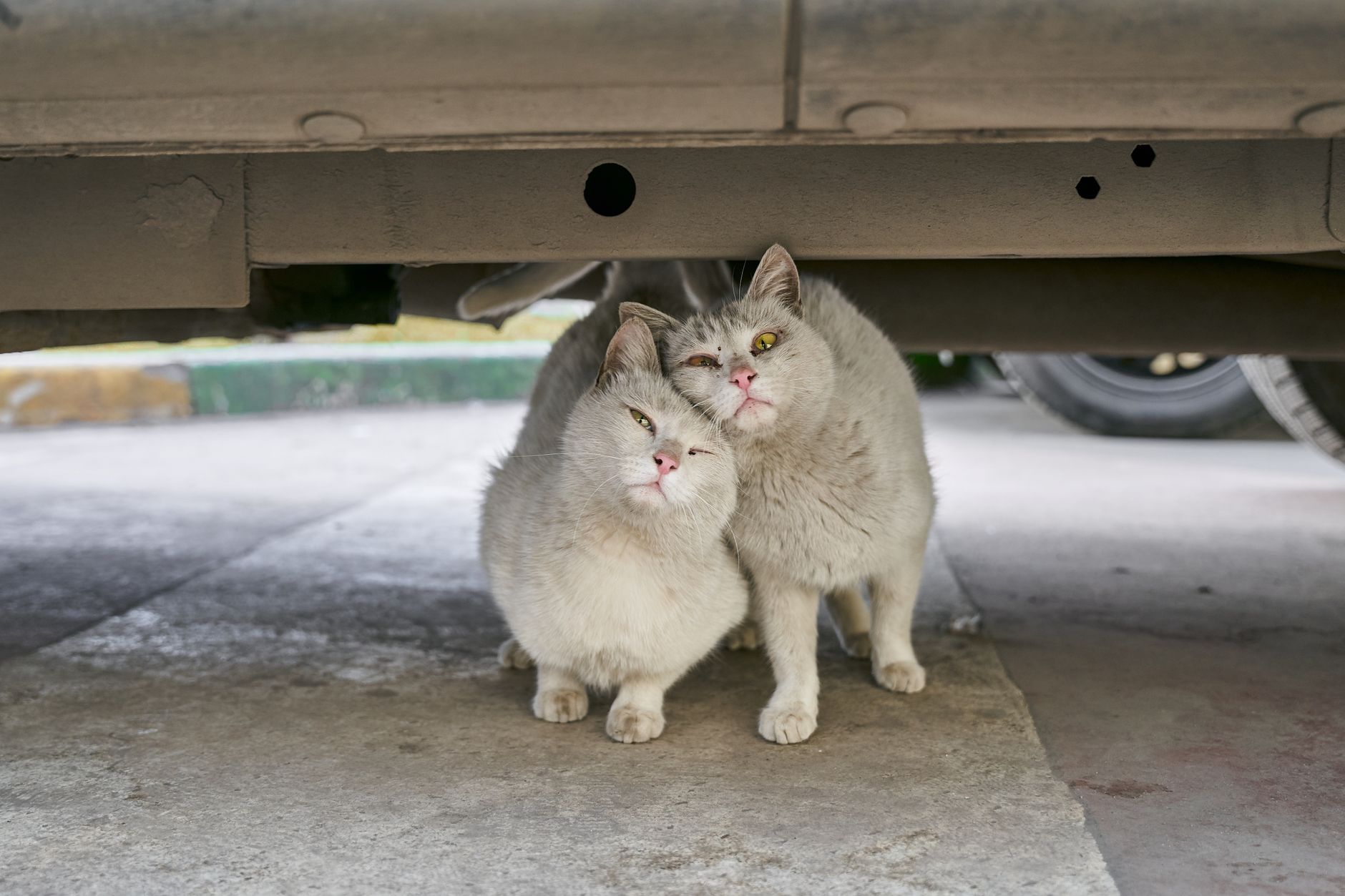
Yes, sunlight exposure is generally safe for cats and actually provides important health benefits. Cats need regular access to sunlight for vitamin D synthesis, immune system support, and circadian rhythm regulation.
However, the safety depends on duration, intensity, and individual factors—prolonged exposure during peak UV hours without shade options can cause skin damage and eye problems, particularly in light-colored or white cats. A typical indoor cat that spends 15 to 30 minutes in direct sunlight through a window or on a sheltered patio several times a week experiences benefits without significant risk. The key is moderation and providing escape routes so your cat can retreat to shade when it becomes uncomfortable.
Table of Contents
- How Much Sunlight Is Safe for Cats?
- Risks of Excessive Sun Exposure in Cats
- Vitamin D and Bone Health Benefits
- Creating Safe Outdoor and Window Exposure
- Special Considerations for Vulnerable Cats
- The Role of UV Index and Seasonal Variation
- Behavioral Signs Your Cat Has Had Enough Sun
How Much Sunlight Is Safe for Cats?
cats have varying tolerance for direct sun exposure based on their coat color, age, and health status. A young, healthy cat with dense, dark fur can handle 30 to 60 minutes of direct sunlight daily, while a senior cat or one with thin, light-colored fur should receive no more than 15 to 30 minutes. Kittens under six months old have more sensitive skin and eyes, so they benefit from shorter exposures and more frequent access to shade.
Window perches remain one of the safest ways for indoor cats to access sunlight, as glass filters out much of the UVB radiation while still allowing vitamin D precursors to be produced in the skin. A cat resting on a sunny windowsill for an hour typically receives adequate benefits without overexposure risk. Even on cloudy days, cats can absorb beneficial wavelengths, though the intensity is reduced by 50 percent or more.
Risks of Excessive Sun Exposure in Cats
Extended, unprotected sun exposure poses real health threats, especially for cats with light-colored coats. Squamous cell carcinoma, the most common feline skin cancer, develops more frequently in white cats, light-colored cats, and those with pink noses and ear tips. These cats have minimal melanin to protect against UV radiation, making them vulnerable to cumulative sun damage. A study of feral cat populations found that white cats spend significantly less time in direct sun than darker-colored cats, an adaptation that reflects their higher cancer risk.
The eyes are equally vulnerable. Chronic UV exposure contributes to cataracts and corneal damage, conditions that develop gradually but eventually impair vision. Indoor cats suddenly given unlimited outdoor access sometimes experience temporary discomfort—squinting, redness, and photophobia—indicating acute UV stress. Older cats are more susceptible because their eyes have accumulated years of oxidative damage.
Vitamin D and Bone Health Benefits
Sunlight triggers vitamin D synthesis in the skin, a process essential for calcium absorption and bone strength. Unlike humans, cats produce vitamin D primarily through skin exposure rather than oral intake, making regular sunshine particularly important for their skeletal health. A cat with adequate sun exposure maintains stronger bones, sharper teeth, and better immune function compared to one kept exclusively indoors without supplementation.
The relationship between sun exposure and immune response is particularly significant in aging cats. Studies of indoor-only cats show higher rates of viral infections and slower wound healing compared to those with regular sun access. This doesn’t mean outdoor cats are safer overall—they face predation, trauma, and disease exposure that offset immune benefits—but it highlights why indoor cats benefit from intentional sunlight access. A 20-minute midday sun session can measurably improve immune markers within days.
Creating Safe Outdoor and Window Exposure
The safest approach combines multiple exposure methods: window perches for daily light access, supervised outdoor time during low-UV hours (before 10 AM and after 4 PM), and catio or enclosure use for extended exterior time without roaming risks. A screened porch provides excellent compromise, offering fresh air and indirect sunlight while preventing predation and escape. Many cats thrive with 30 to 45 minutes of catio time three to four times weekly, achieving the dual benefit of sunlight and environmental enrichment.
Comparing indoor cats with consistent window access to those with supplemented vitamin D shows minimal difference in bone density after two years, suggesting that passive sunlight through glass provides sufficient benefits for maintenance. However, cats with active outdoor access show measurably better vitamin D status and immune function, indicating that direct sun exposure offers advantages beyond what filtered light provides. The tradeoff is clear: direct sunlight is more beneficial but carries higher injury and disease risks, while window light is safer but requires consistency.
Special Considerations for Vulnerable Cats
Senior cats, those with medical conditions, and breeds with flat faces (Persians, Himalayans) require modified sun exposure protocols. A 14-year-old cat with early kidney disease benefits from sunlight for immune and bone support but cannot thermoregulate as effectively, making heat stress a serious concern. Such cats should have supervised access during morning hours only, with fresh water nearby and immediate shade available. Leaving a senior cat in direct afternoon sun for an hour can dangerously elevate core temperature, particularly in humid climates.
Cats recovering from surgery or illness have suppressed immune systems that make them vulnerable to opportunistic infections from contaminated outdoor environments. Restricting outdoor access during recovery periods—typically 10 to 14 days—is essential despite the benefits sunlight would otherwise provide. Additionally, cats taking certain medications, including some antibiotics and anti-inflammatories, develop photosensitivity and react to sun exposure with severe dermatitis. Checking medication labels and asking your veterinarian about sun restrictions prevents painful complications.
The Role of UV Index and Seasonal Variation
The UV index changes dramatically with season, latitude, and time of day, affecting how safely cats can spend time in sunlight. In summer at midday, UV index reaches 8 to 11 in most regions, creating rapid cumulative damage risk. Winter sun, by contrast, offers exposure for three to four hours at midday without significant risk because UV intensity drops 50 to 75 percent. A cat in Minnesota receives very different sun exposure impact in July versus January, requiring adjusted protocols seasonally.
Geographic location matters significantly. Cats in southern states like Florida and Arizona face intense year-round UV exposure and higher skin cancer rates, making shade access and shorter exposure windows critical. A cat in Portland, Oregon receives naturally lower UV exposure and can safely spend more time outdoors in winter without comparable risk. Monitoring the daily UV forecast and planning outdoor time during low-index windows (typically before 10 AM or after 4 PM) provides substantially better long-term safety than allowing constant daytime access.
Behavioral Signs Your Cat Has Had Enough Sun
Cats communicate discomfort through specific behaviors that indicate excessive sun exposure. Squinting, rapid eye movement, visible third eyelid protrusion, and rubbing at the face signal acute photophobia and warrant immediate shade access. Panting, excessive drooling, lethargy, and refusal to move indicate heat stress—a dangerous condition requiring immediate cooling and veterinary attention if symptoms persist beyond 30 minutes in shade.
A cat with chronic sun damage develops behavioral changes before physical symptoms appear. Irritability, reluctance to leave shaded areas even when curious, and reduced activity during daylight hours sometimes reflect cumulative eye or skin discomfort. Cats with developing cataracts show hesitation jumping from heights or navigating in bright light, behaviors easily misinterpreted as aging rather than UV damage. Regular veterinary eye exams catch early cataract formation, allowing adjustments to sun exposure before significant vision loss occurs.
- —