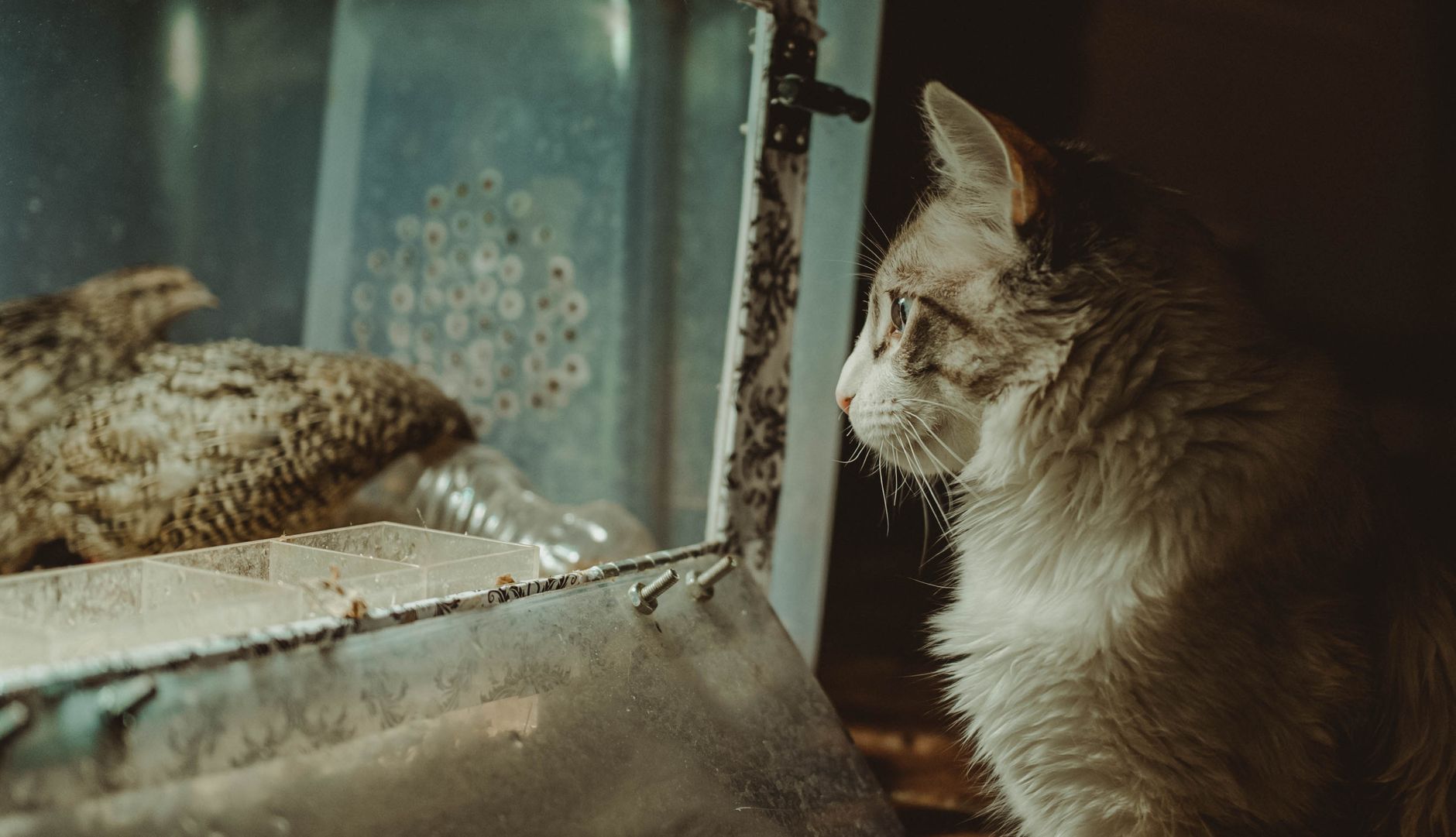
While bird flu has been detected in domestic cats in limited cases worldwide, the direct transmission of avian influenza from cats to humans remains extraordinarily rare and has not been documented as a typical transmission pathway. Health experts emphasize that cats acquire bird flu primarily through contact with infected wild birds or contaminated environments, not through human-to-cat contact.
A cat that hunts or scavenges infected birds could theoretically become a source of concern, but the actual risk of a human contracting bird flu from an infected cat is considered negligible compared to direct exposure to infected poultry or wild birds. The concern among veterinarians and public health officials is not that cats pose a major transmission threat to humans, but rather that cats themselves can suffer serious illness when exposed to avian influenza viruses, and that monitoring feline cases helps scientists understand how the virus spreads across species. Cat owners worried about bird flu should focus their efforts on preventing their pets from hunting wild birds and scavenging potentially contaminated food sources, rather than fearing their cat as a disease vector toward human infection.
Table of Contents
- How Do Domestic Cats Contract Bird Flu?
- Can Bird Flu Transmit from Cats to Humans? Current Evidence and Limitations
- Symptoms and Signs of Bird Flu in Infected Cats
- Practical Steps for Cat Owners to Reduce Exposure Risk
- Limitations and Realistic Risk Assessment for Pet Owners
- When to Seek Veterinary Care
- Understanding the Broader Transmission Chain
- Frequently Asked Questions
How Do Domestic Cats Contract Bird Flu?
Domestic cats most commonly contract bird flu through direct contact with infected wild birds, either by hunting and consuming them or by being exposed to respiratory droplets from sick birds. A cat that catches a pigeon, sparrow, crow, or other wild bird, particularly during seasons when avian influenza circulates in wild bird populations, faces the highest risk of infection. Even brief contact with feathers, saliva, or fecal matter from an infected bird can transmit the virus to a cat, particularly if the cat has small cuts or scratches on its paws or mouth.
The second pathway involves environmental contamination. Cats can contract bird flu by walking through areas where infected birds have shed the virus, then grooming their paws and ingesting the virus. This is less common than direct predation but remains possible, especially for outdoor cats in regions where wild bird die-offs from avian influenza have occurred. Indoor cats that never hunt or go outside face virtually no risk of acquiring bird flu.
Can Bird Flu Transmit from Cats to Humans? Current Evidence and Limitations
Direct human infection from an infected cat has not been documented in peer-reviewed medical literature. The respiratory droplets and bodily fluids from an infected cat do not appear to harbor bird flu virus in concentrations sufficient to infect humans under typical exposure conditions. This does not mean zero risk exists, but rather that the documented risk is so low that health authorities do not classify infected cats as a meaningful source of human transmission.
However, a critical limitation exists: the number of infected domestic cats worldwide remains small, and surveillance for cat-to-human transmission is limited in most countries. If a cat becomes infected with bird flu and an owner handles the cat while the feline is shedding virus in high amounts, theoretically some exposure could occur—but the same exposure would likely carry higher risk from direct contact with infected birds. Pet owners should apply basic hygiene practices around any sick pet, such as hand washing and minimal direct contact with bodily fluids, without assuming their cat is a pandemic threat.
Symptoms and Signs of Bird Flu in Infected Cats
A domestic cat infected with avian influenza typically displays symptoms within three to five days of exposure, though this timeline can vary. Common clinical signs include severe lethargy and depression, high fever, difficulty breathing or rapid breathing, discharge from eyes or nose, and neurological symptoms such as tremors, circling, or disorientation. Some infected cats have shown facial swelling and lack of coordination. In severe cases, cats may progress to seizures or sudden death without preceding symptoms.
The severity of illness reflects the strain of bird flu virus involved and the individual cat’s immune response. Some cats have recovered with supportive veterinary care, while others have succumbed to infection. This unpredictability underscores why preventing exposure through outdoor access restriction is more reliable than hoping for recovery after infection. A cat showing these signs should receive immediate veterinary attention, not only for the cat’s welfare but to allow proper diagnosis and isolation if avian influenza is suspected.
Practical Steps for Cat Owners to Reduce Exposure Risk
The most effective prevention strategy is keeping cats indoors or restricting their access to outdoor hunting and scavenging. Indoor cats that do not hunt wild birds or have contact with infected birds face negligible risk of acquiring avian influenza. This recommendation aligns with broader feline health guidance that protects cats from multiple outdoor hazards including vehicles, predators, infectious diseases, and parasites. For cat owners who allow outdoor access, minimizing the cat’s ability to hunt is essential.
Bell collars on outdoor cats, while imperfect, can alert birds to a cat’s presence and reduce successful predation. Providing indoor enrichment and play can reduce a cat’s motivation to hunt. Cat owners should also avoid feeding raw poultry or raw bird products to their cats, as this eliminates a potential source of exposure to bird flu virus. If a cat is known to have consumed a wild bird, monitoring for signs of illness over the following weeks and contacting a veterinarian at the first sign of symptoms provides the best opportunity for early care.
Limitations and Realistic Risk Assessment for Pet Owners
One significant limitation in the current evidence is that we do not have complete information on how long an infected cat sheds bird flu virus or the concentration of virus in different body fluids. Most studies have been limited to small numbers of animals, and the behavior of different bird flu strains in cats may vary. This uncertainty sometimes leads to fear-based guidance that exceeds what evidence supports.
Another limitation is that health agencies have provided minimal guidance on what to do if you actually own a cat suspected of avian influenza, leaving many owners confused about isolation, treatment, and euthanasia decisions. The reality is that an infected cat poses greater risk to itself and potentially to wildlife it contacts than to humans in the household. Veterinarians should be consulted before making any decisions, as guidelines continue to evolve.
When to Seek Veterinary Care
If your cat displays sudden onset of severe lethargy, fever, respiratory distress, neurological signs, or has a confirmed history of consuming a wild bird during a period of known avian flu activity in your region, contact a veterinarian immediately. Inform the veterinarian of the bird exposure so they can perform appropriate diagnostic testing and take infection control precautions.
Do not assume that apparent recovery from acute symptoms means the cat has cleared the infection. Before transporting a potentially infected cat to a clinic, call ahead so staff can prepare appropriate isolation measures. Some veterinary clinics may limit direct handling of suspected avian flu cases and may recommend testing via samples submitted without in-person examination, depending on local disease activity and the clinic’s resources.
Understanding the Broader Transmission Chain
Bird flu circulates primarily among wild birds, with specific species such as waterfowl serving as natural reservoirs. The virus spillover into poultry operations has caused significant agricultural losses in some regions. Domestic mammals, including cats, represent occasional spillover events from this wild bird reservoir, not a separate transmission chain.
A cat becoming infected is an indicator that bird flu is present in the local environment, but it is not the source of that virus in most cases. The risk to humans comes from proximity to infected poultry flocks, contaminated poultry products handled without proper hygiene, or potentially from close contact with wild birds in occupational or recreational settings. Cats, even when infected, remain a far less significant exposure pathway than direct contact with these primary sources. Reducing bird flu risk for humans involves surveillance of poultry flocks and wild birds, safe food handling practices, and occupational protections for workers in high-risk settings—measures largely independent of domestic cat health.
Frequently Asked Questions
Can my indoor cat get bird flu?
Indoor cats that do not have access to wild birds or raw poultry products face virtually no risk of contracting avian influenza.
Should I wear a mask around my sick cat?
Standard household precautions such as hand washing and avoiding direct contact with respiratory secretions are sufficient; specialized protective equipment is not necessary for typical pet care.
What should I do if my cat catches a wild bird?
Monitor your cat for signs of illness such as lethargy, fever, or respiratory symptoms over the following week, and contact a veterinarian if any symptoms develop.
Is bird flu in cats becoming more common?
The number of documented bird flu cases in domestic cats remains low relative to the total cat population, though surveillance has increased in some regions.
Can bird flu spread between cats?
Cat-to-cat transmission of avian influenza appears possible but has occurred rarely; isolation of infected cats and hygiene practices minimize this risk.
Should I stop my cat from being outdoors?
Keeping cats indoors eliminates exposure to wild birds and other outdoor risks; this is the most effective prevention for multiple health threats.