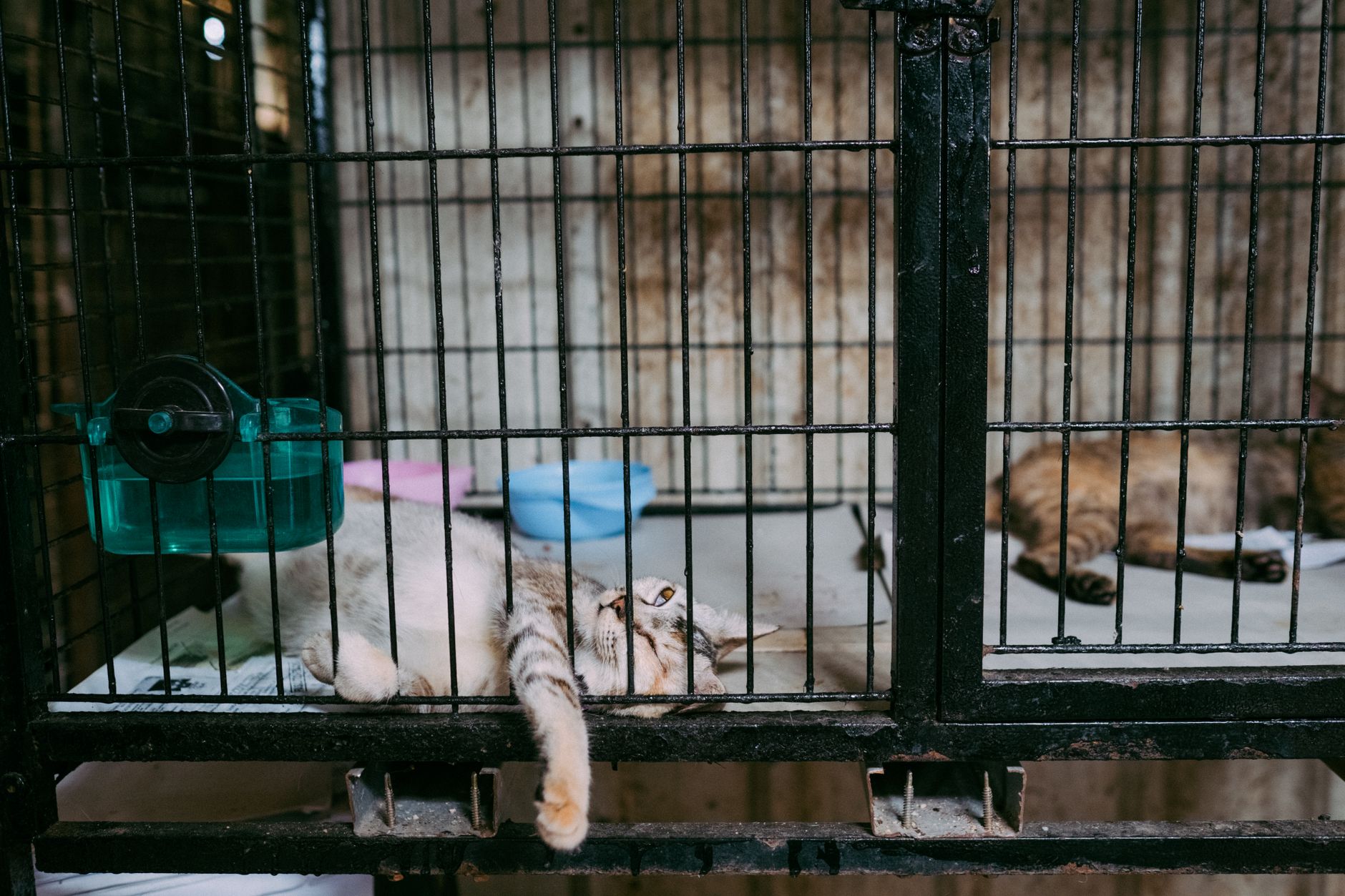
No verifiable announcement exists for an organization called "Animal Shelter Networks" distributing feline litter supplies to exactly 220 organizations. However, major cat litter manufacturers have made substantial, documented commitments to donating supplies to shelters nationwide.
These programs represent real support for shelter cats and rescue operations, backed by established companies with multi-year track records of supporting animal welfare. The most relevant recent announcement is Cat's Pride's "Go Big or Go Home" campaign from May 2026, which aims to donate one million pounds of cat litter through a partnership with American Humane Society's Second Chance® Grants program. This sits alongside longer-running programs from other manufacturers that have already distributed millions of pounds to hundreds of shelters across North America.
Table of Contents
- The Major Players in Shelter Litter Donations
- Why Shelters Need These Donations
- How Shelters and Cat Owners Can Support These Programs
- Timeline and Scale of These Commitments
- Frequently Asked Questions
The Major Players in Shelter Litter Donations
cat litter companies have positioned shelter support as part of their core missions. World's Best Cat Litter has donated over 9 million pounds of litter to 170 shelters, pet rescues, and cat cafés since 2010, and its GiveLitter® charity program has supported more than 1 million cat adoptions. The company also commits profits from its online shop to 140 shelter partners across the U.S.
and Canada. Fresh Step has donated millions of dollars and tons of litter to over 1,400 shelters throughout the United States over multiple years. Cat's Pride's 2026 initiative adds a million-pound goal specifically targeting shelters participating in American Humane's grants program. These donations address a real operational cost for shelters: cat litter is consumable, expensive, and essential for cats' health and welfare.
Why Shelters Need These Donations
Cat shelters manage dozens or hundreds of cats, each requiring litter box access and regular cleaning to prevent disease, stress, and behavioral problems. Litter costs represent a significant line item in shelter budgets, competing with medical care, food, and staff.
Many smaller rescues operate on tight budgets where litter donation programs directly extend resources for medical treatment, behavioral support, or facility improvements. Shelters also use litter donations to set up adoption-ready spaces and foster home kits. Reducing material costs means shelters can redirect funds to spaying, neutering, veterinary care, and adoption marketing—outcomes that directly affect adoptable cats' prospects.
How Shelters and Cat Owners Can Support These Programs
If you manage a shelter or cat rescue, contact the manufacturers directly or check whether your organization qualifies for American Humane Society's Second Chance® Grants program (linked through Cat's Pride's announcement). World's Best Cat Litter and Fresh Step both maintain eligibility criteria for shelter partnerships, typically requiring 501(c)(3) nonprofit status and proof of service to cats.
Individual cat owners can support these initiatives by purchasing from participating manufacturers or donating directly to shelters. Some programs offer incentive matching or donation points tied to product purchases. Checking your local shelter's website or calling directly will reveal which litter donations or programs they currently accept or participate in.
Timeline and Scale of These Commitments
World's Best Cat Litter's GiveLitter program has operated since 2010, making it one of the longest-running shelter litter initiatives. Fresh Step's donations have accumulated over multiple years, reaching 1,400+ shelters to date.
Cat's Pride's one-million-pound 2026 goal represents a specific, time-bound commitment tied to American Humane's grants program, distinct from any ongoing baseline donations the company may already provide. These programs represent ongoing commitments rather than one-time events, though individual annual contributions vary by company performance and market conditions. Shelters relying on these donations should verify current participation and timelines directly with the providers rather than assuming availability.
Frequently Asked Questions
Can I donate my leftover cat litter to a shelter?
Contact your local shelter directly first. Most shelters accept litter donations from individuals, though some require sealed bags for safety and hygiene reasons. Opened bags are typically declined.
Do these programs cover all types of cat litter?
Manufacturers donate their own products, so programs feature whatever litter those companies produce. Shelters may have specific litter preferences for cat health or odor control; ask what they actually need.
How do small rescues access these donations?
Eligibility usually requires 501(c)(3) status and active cat welfare programs. Contact manufacturers' community outreach departments or check American Humane Society's grants program for application details and deadlines.