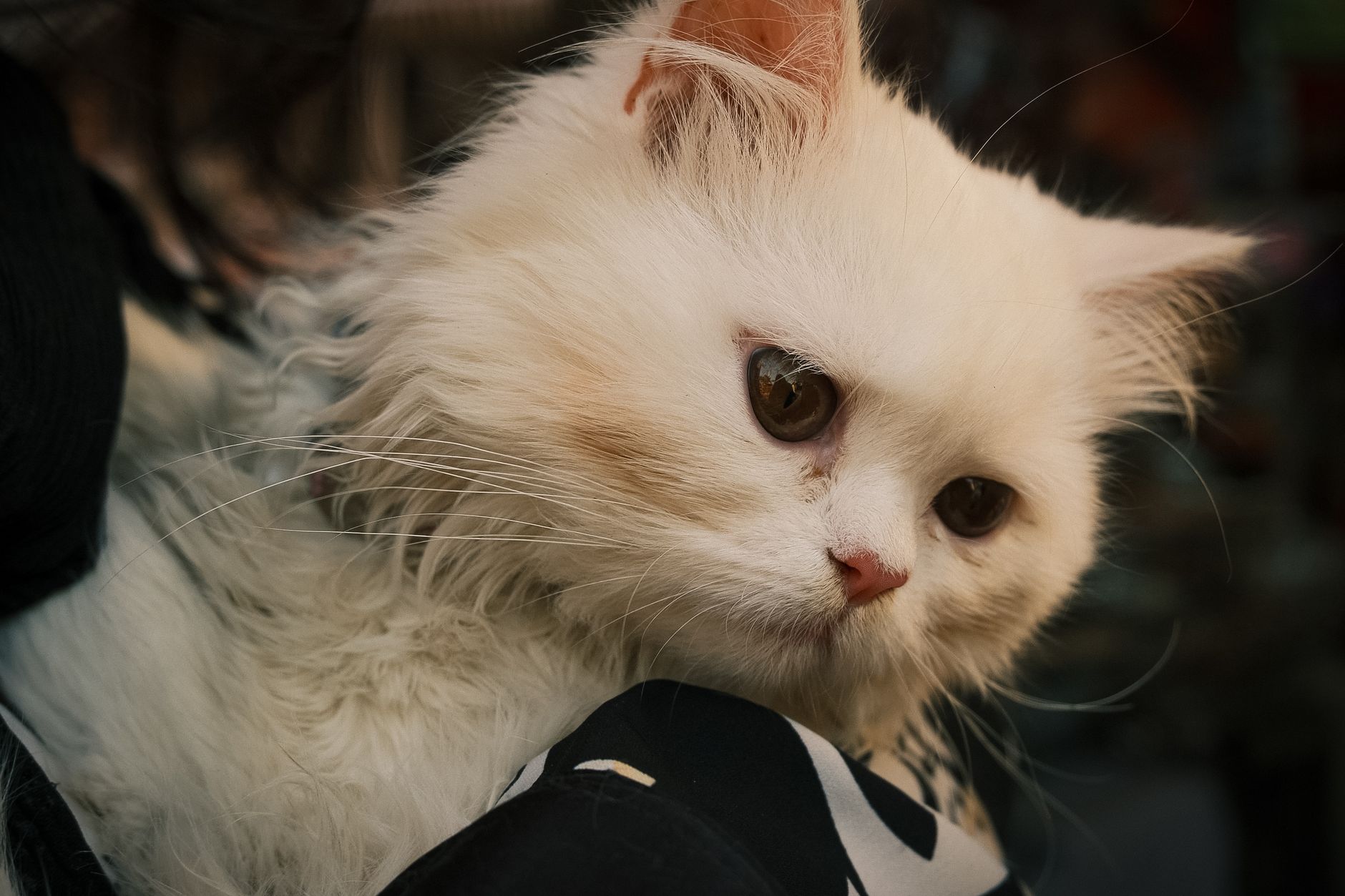
Finding reliable information about cat adoption starts with official sources like established rescue organizations, shelter databases, and government animal welfare agencies. These resources provide verified details about available cats, adoption procedures, health records, and organizational legitimacy, eliminating the confusion that comes from unvetted social media posts or unofficial listings. The most trustworthy adoption information comes directly from registered nonprofits, state animal control departments, and established adoption networks that maintain transparency about their operations and animal welfare standards.
When you’re looking to adopt a cat, official channels protect you from scams, unclear health histories, and unethical breeding operations. A legitimate adoption source will clearly document a cat’s medical background, behavioral assessment, and the terms of adoption, while maintaining updated records you can access throughout the process. Knowing where to find these verified resources saves time, protects your household, and ensures the cat you bring home comes from an accountable organization.
Table of Contents
- What Makes Official Cat Adoption Sources Trustworthy
- Identifying Legitimate Nonprofit and Government Animal Services
- National Adoption Databases and Centralized Search Platforms
- Verifying Adoption Information Before Committing
- Red Flags That Indicate Unofficial or Questionable Adoption Sources
- Government and Regulatory Animal Welfare Records
- Post-Adoption Information and Ongoing Support Resources
- Frequently Asked Questions
What Makes Official Cat Adoption Sources Trustworthy
Official adoption resources maintain transparency about how they obtain cats, what care they provide before adoption, and their organizational structure. Registered animal shelters and rescue organizations are governed by state and local laws that require record-keeping, staff accountability, and animal welfare standards. These organizations typically undergo regular inspections, maintain vaccination and medical records, and provide adoption contracts that legally protect both you and the animal.
The difference between official and unofficial adoption sources becomes clear when you compare the documentation. An official shelter will provide a cat’s complete medical history including vaccination dates, spay/neuter status, and any known health conditions. An unofficial source—a private rehomer or unregistered operation—may have incomplete records or no documentation at all, leaving you guessing about the animal’s background. Official sources also typically offer post-adoption support, behavioral guidance, and the ability to return the cat if circumstances change, which protects both the animal and your investment.
Identifying Legitimate Nonprofit and Government Animal Services
Legitimate animal adoption organizations include registered nonprofits with 501(c)(3) status (in the United states), which means they’ve been vetted by the IRS for genuine charitable operations. You can verify a nonprofit’s status by searching the IRS Tax Exempt Organization Search database or checking with your state’s charity registrar. Government agencies like municipal animal control departments, county shelters, and state animal welfare divisions represent another tier of official resources backed by public funding and regulatory oversight.
A significant limitation of nonprofit adoption services is that capacity varies dramatically by region and funding. A well-staffed rescue in an urban area may have extensive resources for behavioral assessment and medical care, while a rural shelter might have minimal infrastructure. Some rescue organizations also maintain highly selective adoption criteria that some potential adopters find restrictive—multiple reference checks, home visits, and lengthy applications are common. These requirements exist to prevent poor placements, but they can make adoption slower and more intrusive than private rehoming.
National Adoption Databases and Centralized Search Platforms
Major adoption platforms like Petfinder, Adopting, and Shelter Animals Count aggregate listings from thousands of shelters and rescues into centralized searchable databases. These platforms require participating organizations to maintain current information and follow ethical guidelines, though the quality and completeness of individual listings varies. A cat listed on these platforms comes from a source that’s agreed to standard protocols, which provides some baseline assurance even if the individual organization is small or unfamiliar.
Breed-specific rescue networks represent another official resource tier, particularly useful if you’re seeking a particular type of cat. These organizations focus exclusively on a single breed or breed type and often have detailed knowledge about breed-specific health issues, temperament traits, and care needs. A Maine Coon rescue, for example, can provide specific guidance about that breed’s susceptibility to hip dysplasia or heart conditions. However, breed-specific rescues may have limited availability, longer waiting lists, and may not serve your geographic area, so they work best as a supplementary resource rather than your only search avenue.
Verifying Adoption Information Before Committing
Before finalizing an adoption, verify the information provided by contacting the shelter or rescue directly rather than relying solely on online listings. Official sources should provide verifiable details like the cat’s name, age, medical records documentation, behavioral notes from their staff, and clear explanation of any behavioral or health issues. Ask specific questions: When was the last veterinary checkup? What vaccines has the cat received? Have any behavioral tests been performed? A reputable organization will answer these questions with specifics, not vague reassurances.
The tradeoff between adoption convenience and information quality is real. Private rehomers or online marketplace listings may process adoptions faster and with less paperwork, but you lose the institutional record-keeping and accountability that official sources provide. An adoption that takes two weeks through a shelter might take two days through a private arrangement, but the shelter’s version includes veterinary documentation, behavioral history from trained staff, and a contract with return provisions if the placement fails.
Red Flags That Indicate Unofficial or Questionable Adoption Sources
Adoption sources that resist providing documentation, avoid written contracts, insist on cash-only payments, or discourage home visits are operating outside official channels and pose genuine risks. Scams exist in adoption—some involve taking payment for a cat that doesn’t exist or that the person doesn’t actually have custody of. Others involve animals with undisclosed serious illnesses or dangerous behavioral problems. Official sources maintain verifiable locations, staff records, and business licenses that you can check independently.
A particular warning applies to adoption sources that pressure you to decide quickly or discourage questions. Legitimate shelters and rescues expect you to ask thorough questions and take time with the decision—this is normal and encouraged. If someone is pushing you toward a rapid adoption or becoming defensive when you request records or references, that’s a signal to look elsewhere. Additionally, be cautious of adoption sources that ask for unusually high fees without clear documentation of what you’re paying for, or that ask for payment through untraceable methods like gift cards or wire transfers.
Government and Regulatory Animal Welfare Records
Many state and local governments maintain public records about animal shelters, rescue organizations, and animal control operations. These records often include inspection reports, complaint histories, and financial filings that reveal how organizations actually operate. Your state’s Department of Agriculture or local animal control office may maintain databases of licensed facilities, and some states require registration of rescue organizations.
Checking these public records provides independent verification beyond what an organization tells you directly. The limitation here is that not all rescue organizations are registered or inspected with the same rigor—regulations vary significantly by state and locality. A highly organized rescue operating under professional standards may not be registered in a database simply because registration isn’t required in that area. Conversely, an organization that appears in official records still requires your own judgment about their practices and philosophy.
Post-Adoption Information and Ongoing Support Resources
Official adoption sources typically provide ongoing support after you take the cat home, including access to behavioral guidance, medical referrals, and updates about the cat’s background as you learn more. This post-adoption relationship distinguishes official adoptions from private arrangements where contact often ends immediately after payment. Many shelters and rescues maintain detailed records that can help you understand behavioral issues or medical conditions that emerge weeks or months after adoption.
When you adopt through official channels, keep copies of all adoption paperwork, medical records, and the contact information for the organization. This documentation becomes valuable if health or behavioral issues arise later. Some cats have medical conditions or behavioral triggers that become apparent only after settling into a home—official adoption sources with good records can help you understand and address these issues, while private rehomers often cannot.
Frequently Asked Questions
How do I verify that an animal rescue organization is legitimate?
Check for 501(c)(3) nonprofit status through the IRS Tax Exempt Organization Search, verify a local business license or registration through your city or county, look for an established physical location with verifiable contact information, and review any available public inspection or complaint records through your state’s animal welfare agency.
What information should official adoption sources provide before I adopt?
Complete medical history including vaccination dates and spay/neuter status, behavioral assessment notes, known health conditions or medications, the adoption fee and what it covers, a written adoption agreement or contract, and post-adoption support contact information.
Are adoption listings on major platforms like Petfinder completely reliable?
These platforms help maintain standards by requiring participating organizations to follow ethical guidelines and keep listings current, but individual listing quality varies. The platform provides some baseline assurance, but you should still verify information directly with the shelter or rescue and check for any public records about that organization.
What should I do if an adoption source refuses to provide medical records or a written contract?
Consider this a significant red flag and look elsewhere. Legitimate organizations expect you to request records and provide written documentation of the adoption. Reluctance to provide these items suggests the organization is either disorganized or operating outside professional standards.
Can I find information about a cat’s background after adopting through an official source?
Yes, most official adoption organizations maintain records and can provide additional information as it becomes available. Keep contact information for the shelter or rescue, and don’t hesitate to reach out with questions as you learn more about your adopted cat’s needs or behaviors.
What records should I keep after adopting a cat?
Keep all adoption paperwork, medical records provided at adoption, vaccination certificates, the adoption agreement, and the contact information for the adopting organization. These documents help you understand the cat’s history if medical or behavioral issues emerge later.