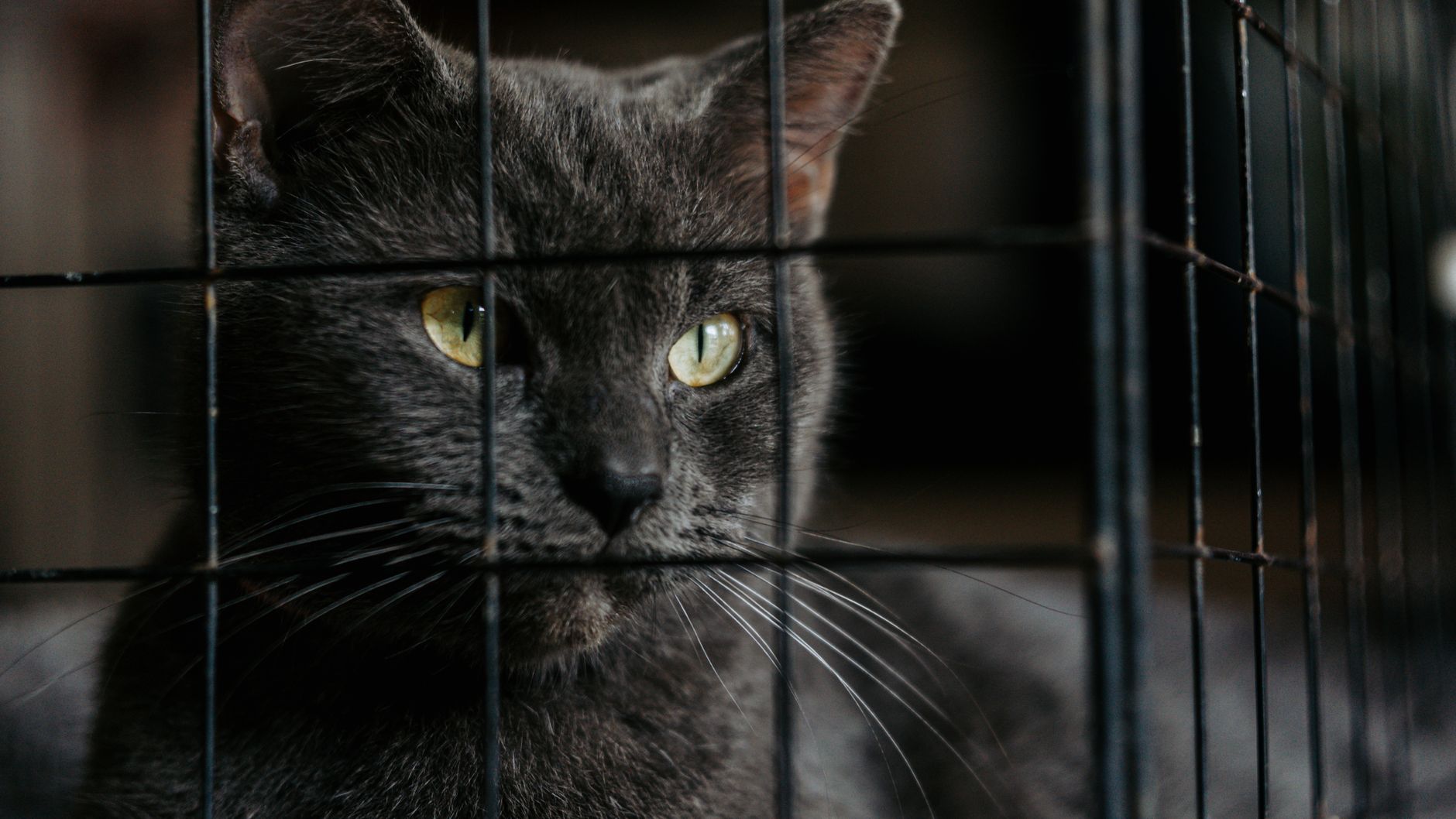
Cat adoption demand is likely to surge in the coming weeks as the perfect storm of kitten season, emergency adoption events, and favorable policy changes converge. The Lynchburg Humane Society, Chicago shelters, and Arkansas facilities are currently at maximum capacity, forcing them to deploy emergency fee waivers and extended adoption incentives. These short-term crisis measures are happening precisely when adoption momentum is strongest—National Adoption Week (July 20-26, 2026) coincides with peak kitten season, and policy shifts in states like California are redirecting adoption demand toward shelters rather than third-party pet sales. What happens after this week tells a bigger story: whether emergency measures trigger sustained adoption increases or if overcrowding will persist when the crisis events end. The data suggests adoption capacity is stronger than it has been in years.
Cat adoption rates held at 63% in 2025 (up from 62% in 2024), with approximately 2.2 million cats adopted from U.S. shelters in 2025. Kittens specifically showed a 12% increase in adoptions for young cats. However, no single week of fee waivers can absorb thousands of homeless kittens. The forecast depends on whether this week’s urgency converts into sustained adoption behavior, whether fostering programs hold the line on overcrowding, and whether shelters have the resources to capitalize on heightened public attention.
Table of Contents
- Is Kitten Season Overwhelming the Shelter System Right Now?
- What Do Emergency Adoption Events Actually Accomplish This Week?
- Why Are Cats Overtaking Dogs as the Shelter Adoption Focus?
- How Are Policy Changes Reshaping Adoption Demand This Month?
- Is Long-Term Euthanasia Decline Sustainable Through This Peak?
- Multi-Cat Households: Is Adoption Behavior Shifting?
- What Structural Changes Will Outlast This Week’s Emergency?
- Frequently Asked Questions
Is Kitten Season Overwhelming the Shelter System Right Now?
Yes, and the numbers are unprecedented for mid-summer. Kitten season typically peaks in late spring and early summer, but 2026 is running hotter longer. The MSPCA in Massachusetts held an emergency one-day adoptathon on July 17 with waived adoption fees because the organization was caring for 350+ cats across four facilities. Rapid City Animal Rescue in South Dakota extended a 50% discount on cat adoptions after an entire weekend ended with zero adoptions—a statistical anomaly suggesting shelters were turning away adopters due to sheer lack of available space, not lack of demand. The Lynchburg Humane Society, Chicago shelters, and Arkansas rescue groups all report hitting or exceeding maximum capacity simultaneously.
This concentration of crisis is the critical detail. Typically, regional differences allow some relief: when one region overflows, rescue networks transport animals to less-congested areas. But when Chicago, Arkansas, and Virginia are simultaneously at capacity, the network has nowhere to redistribute animals. Shelter overcrowding creates a cascading problem: underfunded facilities must divert resources from medical care to cage management, stressed animals become sick more easily, and sick animals take longer to adopt. A kitten showing symptoms of upper respiratory infection—common in crowded shelters—may take two to four weeks to recover, occupying cage space for that entire period.
What Do Emergency Adoption Events Actually Accomplish This Week?
Emergency fee waivers and discount events are short-term pressure valves designed to move animals quickly rather than sustainably. When a shelter waives adoption fees (often $50-150 for a kitten), they’re prioritizing intake reduction over revenue. The MSPCA’s emergency adoptathon and Rapid City’s extended 50% discount both aimed to place animals in homes within a compressed timeframe. These events can measurably reduce overcrowding for immediate relief, but they don’t address the underlying production problem: thousands of kittens continue being born while shelter foster networks, spay-neuter programs, and adoption infrastructure remain static.
A critical limitation of this week‘s events is the self-selection bias in who adopts during a crisis. Fee waivers attract price-conscious adopters and impulse adopters, not necessarily the most committed cat owners. Some percentage of discounted adoptions result in returns within weeks when the novelty fades or behavioral issues emerge. PetSmart Charities’ National Adoption Week (July 20-26, 2026) is designed to overcome this by pairing discounts with education and adoption screening, but regional variation matters: the MSPCA’s response is professional and structured, while smaller rescues may lack the staff to implement thorough vetting during high-volume events. Shelters running emergency events this week must balance clearing cages against adopting out cats to unsuitable homes—a tradeoff with long-term consequences.
Why Are Cats Overtaking Dogs as the Shelter Adoption Focus?
Cats have become the most-adopted shelter animal since 2023 and maintained that position into 2026, with Gen Z and Millennials driving 47.6% of recent pet acquisitions being cats. This shift is reshaping how shelters allocate resources and crisis-management capacity. Cats require less space than dogs, are more suitable for apartment living (relevant as younger generations delay homeownership), and have lower exercise demands. The demographic driving this trend—younger urbanites—are precisely the group facing affordability barriers to pet ownership. This is where policy changes become critical to forecasting.
Cats’ popularity as a shelter animal is colliding with a major affordability crisis. Renters have historically faced steep barriers to cat adoption: landlords charge pet fees, and breed/size restrictions are arbitrary. However, new state-financed affordable housing policies now require landlords allow at least one pet with capped pet rent (lesser of approximately $35 or 1.5% of monthly rent). This change, implemented across multiple states in 2026, directly lowers barriers for the exact demographic most likely to adopt: younger renters in affordable housing. The forecast implication is clear: adoption demand from this group will likely increase as housing barriers drop, but only if shelters can maintain adoption capacity to meet it. If overcrowding exhausts shelters before demand peaks, many adopters will be turned away.
How Are Policy Changes Reshaping Adoption Demand This Month?
California’s 2026 Puppy Mill Sales Ban (prohibiting third-party sales of cats, dogs, and rabbits) and AB 867 ban on therapeutic cat declawing are redirecting adoption demand toward shelters and rescues. These aren’t emergency events; they’re structural policy changes that legally eliminate alternative sources for cats. Any Californian who wants a cat must now adopt from a shelter or licensed rescue. This creates an immediate, sustained demand bump on shelter systems that are already at crisis capacity.
The policy change doesn’t add cats to shelters, but it removes private breeders and pet store chains as alternatives, consolidating demand into already-overwhelmed facilities. The adoption forecast implication is that California shelters face a secondary crisis within the existing crisis: they have more demand for the same limited supply of cats. This is manageable if shelters rapidly increase spay-neuter program capacity to increase local kitten supply, but many facilities lack the funding and veterinary staff. The tradeoff is binary: either California shelters see adoption wait times surge (customers wait weeks for available cats), or they become more selective about adoptions (raising adoption standards to match limited capacity). A shelter cannot simultaneously welcome higher demand and maintain the same adoption volume without expanding operations, and expansion requires budget approvals that may not materialize during crisis management.
Is Long-Term Euthanasia Decline Sustainable Through This Peak?
One of the strongest data points supporting an optimistic adoption forecast is that shelter euthanasia for cats dropped 59% from 2016 to 2024, falling from 400,000+ annually to 188,000. This represents a fundamental shift toward no-kill and adoption-focused policies. However, this decade-long improvement is being tested now. Overcrowding is the direct precursor to euthanasia decisions—when shelters lack space and resources, euthanasia becomes the management tool of last resort. If kitten season 2026 lasts longer or produces more litters than capacity can absorb, the 59% decline could reverse.
The warning is specific: foster programs are the mechanism holding the line against euthanasia during this crisis. The Lynchburg Humane Society is explicitly seeking foster families to absorb overflow. Fostering is not adoption—it’s temporary housing that frees cage space for other animals. Foster programs can extend shelter capacity without building new facilities, but they depend on volunteer recruitment and retention. If foster applications decline or if volunteer fatigue sets in (as it often does in mid-summer), shelters will eventually exhaust temporary relief options. The forecast for whether the 59% euthanasia decline holds depends entirely on whether foster networks expand faster than kitten supply during the next four to eight weeks.
Multi-Cat Households: Is Adoption Behavior Shifting?
Since 2018, households with two cats have grown 8% and households with three or more cats have jumped 36%. This signals a behavioral shift toward higher-capacity cat ownership among existing cat owners. For shelters, this is either a constraint or an opportunity depending on adoption marketing. Most emergency adoption events focus on single-cat adoptions (“bring home your new kitten”), but the data suggests a growing population of adopters willing and able to take multiple cats.
A household with one cat and capacity for two more represents untapped adoption potential. The forecast application is that shelters emphasizing multi-cat adoptions during this crisis could accelerate overcrowding relief. Instead of marketing individual kittens, targeted campaigns could offer adoption discounts for adopting sibling pairs or triads—directly addressing the 36% growth in three-plus-cat households. However, this requires careful screening: a household suitable for one cat may not be suitable for three. The tradeoff is speed versus match quality: fast multi-cat adoptions clear cages quickly but may produce returns or behavioral problems that consume resources later.
What Structural Changes Will Outlast This Week’s Emergency?
The affordability housing policy requiring landlords allow pets with capped rent, combined with California’s third-party pet sale ban, represents structural removal of adoption barriers rather than temporary crisis response. These policies will continue driving demand toward shelters throughout 2026 and beyond, not just during kitten season. The forecast implication is that shelter adoption volume will likely remain elevated even after overcrowding eases, because the policy foundation supporting adoption demand has permanently shifted. Younger renters in affordable housing now have fewer cost barriers to adoption; Californians now have no alternative to shelters.
The long-term adoption forecast depends on whether shelters can expand spay-neuter capacity to match this new baseline demand. Permanently higher adoption demand is positive if paired with increased surgical capacity to manage local kitten supply. The risk is that shelters optimize for this week’s emergency without investing in permanent capacity expansion, resulting in chronic overcrowding rather than crisis followed by recovery. States with sustained housing affordability policies and pet sale bans face a choice: invest proactively in expanded spay-neuter programs and veterinary staffing, or manage perpetual overcrowding. The next month’s adoption data will indicate whether facilities are expanding operations to meet the new demand baseline, or simply exhausting temporary relief measures.
- —
Frequently Asked Questions
Will adoption rates stay high after this week’s emergency events end?
Short-term adoption spikes during crisis events often fade once fee waivers end and media attention moves elsewhere. However, 2026 has structural differences: policy changes in California and affordable housing laws continue driving baseline adoption demand independent of emergency events. Shelters’ capacity to sustain adoptions depends on whether they expand spay-neuter programs and foster recruitment, not on whether any single event succeeds.
Are multi-cat adoptions something shelters are pushing right now?
Some shelters are promoting sibling pair adoptions, but most emergency events emphasize individual adoptions to maximize placement speed. Given that three-plus-cat households have grown 36% since 2018, targeted multi-cat adoption marketing could accelerate overcrowding relief, but this requires screening to avoid adoptions that fail.
Is kitten season ending soon?
Kitten season typically peaks June-August and declines sharply in September. However, 2026 is running hotter and longer than typical; some regions report continued overcrowding into early September. Shelters should anticipate at least four to eight more weeks of elevated intake before production normalizes.
What’s the biggest risk if adoption doesn’t accelerate?
Overcrowded shelters risk reverting to euthanasia as a management tool if foster programs exhaust and adoption demand plateaus. The 59% decline in cat euthanasia from 2016-2024 is durable only if adoption capacity expands faster than kitten supply.
Will California’s pet sale ban actually increase shelter adoptions?
Yes, structurally. Eliminating third-party pet sales redirects all demand to shelters and licensed rescues. However, this creates secondary overcrowding if shelters lack capacity to absorb the new demand. Policy change does not equal capacity; California shelters will face demand pressure whether they’re prepared or not.
Are fee waivers and discounts helping or hurting long-term adoption outcomes?
Fee waivers reduce cage overcrowding in the short term but attract price-conscious and impulse adopters rather than committed owners. Some percentage of discounted adoptions result in returns. Emergency events optimize for placement speed, not adoption durability—a tradeoff worth making during crisis, but not a long-term adoption strategy.