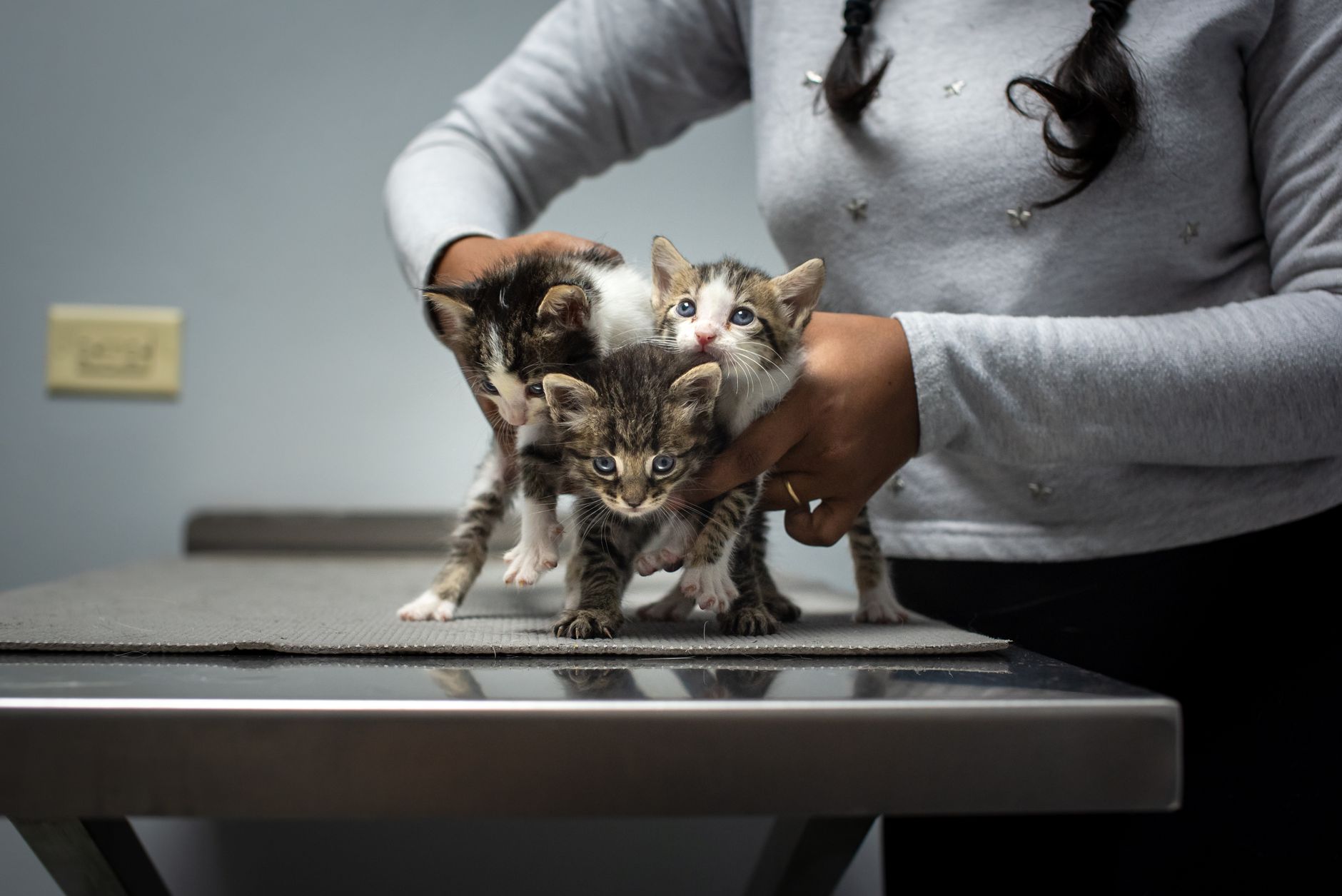
Cat adoption across the United States is undergoing significant shifts, with local shelters and communities experiencing changes in adoption patterns, shelter capacity, and the makeup of cats available for homes. These changes vary considerably by region—some cities report increased adoption rates as remote work expands and more households seek animal companionship, while others struggle with overcrowded facilities due to unplanned litters and decreased funding. The impact ripples through adoption networks, foster programs, and the daily operations of shelters that form the backbone of local cat rescue efforts.
The reasons behind these shifts are complex and interconnected. Post-pandemic adoption trends have stabilized differently across communities, spay-and-neuter programs show uneven progress in different areas, and economic pressures affect both shelter resources and household decisions about pet ownership. What works in one metropolitan area may not translate to rural counties or smaller cities, where adoption infrastructure and support systems look entirely different.
Table of Contents
- What Are the Regional Differences in Local Cat Adoption Rates?
- How Shelter Capacity and Overcrowding Impact Local Communities
- How Economic Factors Influence Local Adoption Decisions
- Why Some Cities Are Seeing Increased Demand for Adult and Senior Cats
- What Role Do Online Adoption Platforms Play in Local Changes?
- How Community Partnerships Are Reshaping Local Adoption Infrastructure
- How Breed-Specific and Special-Needs Cat Placement Has Evolved Locally
- Frequently Asked Questions
What Are the Regional Differences in Local Cat Adoption Rates?
adoption patterns are not uniform across the country. Coastal metropolitan areas and college towns have historically maintained robust adoption cultures with established rescue networks, while rural and economically disadvantaged regions often face longer shelter stays for cats and fewer adoption resources. Some regions have seen a surge in younger adult and millennial adopters, particularly in tech hubs where flexible work arrangements make pet ownership more feasible.
Other areas report adoption primarily driven by older adults seeking companionship, which shifts the types of cats in demand—senior and adult cats find homes more readily in some communities but languish in shelters in others. The infrastructure for adoption also varies dramatically. Cities with multiple large animal shelters, established rescue networks, and social media-savvy volunteer bases can move cats more quickly through adoption pipelines. Meanwhile, regions with a single county shelter or no dedicated rescue organizations may see cats spend months waiting for placement, particularly animals with behavioral challenges or special medical needs.
How Shelter Capacity and Overcrowding Impact Local Communities
Many shelters across the country face cyclical overcrowding, particularly in spring and early summer when kitten season overwhelms limited foster networks. Some communities have addressed this through coordinated regional transfer systems, moving cats to shelters with more capacity—but this solution requires transportation funding and coordination that not all areas can manage. The financial strain of overcrowding forces shelters to make difficult choices about intake capacity, sometimes limiting admissions even when cats desperately need help.
A significant limitation of adoption-focused solutions to shelter overcrowding is that adoption alone cannot address the root problem: uncontrolled breeding and outdoor cat populations. In communities where free or low-cost spay-and-neuter services are limited, shelters continue to receive ever-increasing numbers of pregnant cats and neonatal kittens, making it nearly impossible to keep up with demand through adoptions alone. Without addressing the source of intake, adoption rates alone cannot prevent overcrowding.
How Economic Factors Influence Local Adoption Decisions
Adoption rates are sensitive to local economic conditions. In areas experiencing job losses or economic downturn, fewer households pursue adoption, and existing pet owners may surrender cats they can no longer afford to care for. Conversely, communities with strong job markets and growing incomes see more households stable enough to commit to pet ownership.
The cost of adoption, medical care for adopted cats, and post-adoption support services directly affects whether a family follows through on adoption plans. Adoption fees themselves present a barrier in some communities. While fees typically range from modest to moderate amounts, families living paycheck to paycheck or experiencing housing instability may view even a reasonable adoption fee as prohibitive. Some shelters have responded by offering reduced or waived fees during specific periods, though this shifts the burden to shelter budgets that are already strained in many regions.
Why Some Cities Are Seeing Increased Demand for Adult and Senior Cats
A notable shift in some urban centers is growing adoption demand for adult cats rather than kittens. This reflects changing values among adopters who recognize that adult cats require less intensive care, integrate into homes more quickly, and often have already developed personalities that make matching with the right household easier. Cities with strong rescue education programs and social media presence have been effective at promoting adult cat adoption, reducing the intense competition for kittens that typically dominates shelters.
However, this trend has not spread uniformly. Rural areas and smaller cities still see most adoption demand concentrated on young, healthy, visibly attractive animals, while older, disabled, or behaviorally challenged cats remain difficult to place. The difference often comes down to adoption education—communities that invest in helping adopters understand the actual requirements and rewards of adopting different cat types see better outcomes for cats with higher needs.
What Role Do Online Adoption Platforms Play in Local Changes?
Online adoption platforms and social media have transformed how cats move into homes, allowing shelters to reach far beyond their geographic area and connect cats with adopters who might never have walked through the shelter doors. This has improved outcomes in some ways—cats find families across state lines, and viral posts about individual animals have resulted in adoptions that wouldn’t have happened otherwise. However, a significant risk exists: cats adopted to homes outside the local area create support vacuums.
If a cat develops behavioral issues or a family faces an unexpected crisis, they lack the local rescue network, volunteer resources, and familiar shelter staff they might otherwise turn to for help. Additionally, online platforms can inadvertently prioritize adoption of the most telegenic cats—young, beautiful, high-energy animals that photograph well—while older, shy, or less visually striking cats remain invisible in the digital space. This creates pressure on shelters to spend resources on photography and marketing rather than on the challenging work of caring for and rehabilitating the cats hardest to place.
How Community Partnerships Are Reshaping Local Adoption Infrastructure
Across the country, the most effective community changes involve partnerships between shelters, veterinary clinics, local government agencies, and rescue networks. Some cities have established coalition-based approaches where multiple organizations coordinate intake, foster networks, and adoption events to distribute cats more efficiently. Churches, community centers, and pet stores have begun hosting adoption events, expanding the physical locations where community members encounter adoptable cats.
These partnerships have proven effective at normalizing cat adoption and reducing the work load on single shelter facilities. A specific example of partnership success involves communities that have created networked foster programs—where trained foster volunteers take shelter cats into homes, creating capacity at the facility itself while giving cats a more natural environment to decompress before adoption. This works especially well for cats with stress-related behavioral issues, which shelter environments can exacerbate.
How Breed-Specific and Special-Needs Cat Placement Has Evolved Locally
The rise of breed-specific and special-needs rescue organizations has addressed a gap in local adoption infrastructure. Communities now increasingly have dedicated networks for adoption of specific breeds—Maine Coons, Bengal cats, Siamese—or for cats with particular needs like FIV-positive animals, three-legged cats, or deaf cats.
These specialized groups have built expertise and donor bases that allow them to provide comprehensive post-adoption support, making placements more sustainable. However, the existence of multiple specialized organizations has also fragmented the adoption landscape, creating redundancy in some areas while leaving gaps in others. A community might have three Bengal-specific rescues but no resources for placing geriatric cats with complex medical needs.
Frequently Asked Questions
Are cat adoptions increasing or decreasing across the United States?
Adoption rates vary significantly by region and time period. Some communities report sustained increases in adoption interest, while others experience seasonal fluctuations tied to economic conditions, funding availability, and local rescue infrastructure capacity.
What happens to cats in communities with limited adoption resources?
In areas with underfunded shelters or limited rescue networks, cats often face extended shelter stays, reduced capacity for new intakes, and higher euthanasia rates when facilities become critically overcrowded.
How do online adoption platforms affect local shelters?
Online platforms expand geographic reach and can improve adoption outcomes, but they may also reduce shelter visits from local adopters, shift resources toward marketing, and create support gaps when cats are adopted far from their original communities.
Are there differences in which types of cats get adopted in different regions?
Yes. Urban areas with strong rescue networks tend to have higher adoption rates for adult and senior cats, while rural communities see most demand concentrated on young, healthy animals, leaving older or special-needs cats with fewer placement options.
What role do spay-and-neuter programs play in local adoption changes?
Communities with accessible, affordable spay-and-neuter services experience lower intake rates, shorter shelter stays, and reduced overcrowding—directly affecting adoption dynamics by reducing competition for limited shelter space.
How can communities improve local cat adoption outcomes?
Effective approaches include developing multi-organization partnerships, expanding foster networks, creating adoption education programs, funding accessible spay-and-neuter services, and supporting specialized rescue organizations for cats with particular needs.