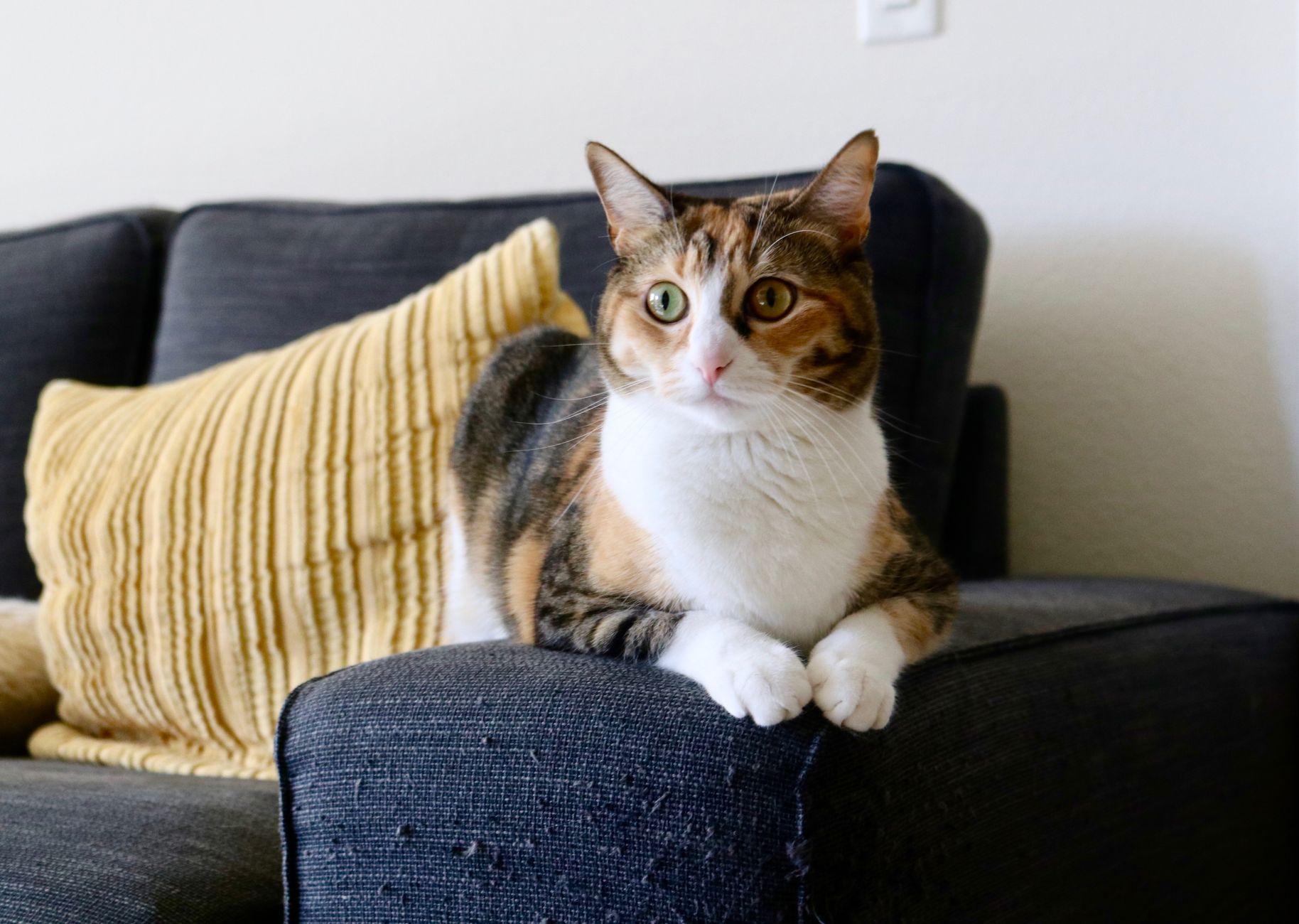
When adopting a cat, your costs and options depend heavily on where you adopt. Shelters typically charge $50–$175, rescue organizations charge $100–$300, and breeders command $300 to over $3,500 depending on breed. This means a shelter adoption of an adult cat could cost one-tenth the price of a purebred kitten from a breeder, yet both provide loving companions. The choice between these sources involves weighing upfront cost, medical history, behavioral assessment, and access to the cat that best fits your home.
The cat adoption landscape has shifted significantly. In 2025, 2.2 million cats were adopted from shelters and rescues, representing a 63% adoption rate—higher than dogs at 57%—and the national shelter save rate reached 82%, meaning more animals leave shelters alive than ever before. This expansion of adoptable cats comes alongside growing availability through online platforms, seasonal variations, and improved shelter medical standards. Understanding these options helps you find the right cat at the price point and timeline that works for you.
Table of Contents
- What Are the Real Costs of Adopting a Cat from Shelters and Rescues?
- How Do Breeder Costs Compare, and What Are You Actually Paying For?
- Why Age and Life Stage Dramatically Affect Adoption Cost and Suitability
- How Do Online Adoption Platforms Improve Your Access and Options?
- What Standards Should You Expect from a Reputable Shelter or Rescue?
- How Seasonal Availability Affects Your Adoption Timeline and Options
- Understanding What Adoption Outcomes Actually Look Like
What Are the Real Costs of Adopting a Cat from Shelters and Rescues?
Shelter adoption fees range from $50 to $175 and typically cover a comprehensive medical foundation: spay or neuter surgery, core vaccinations (rabies and FVRCP), microchipping, and an initial veterinary health exam. This bundle front-loads medical care that would otherwise cost several hundred dollars if done privately, making shelter adoption economically competitive even before considering the cat‘s value. A $150 shelter fee that includes spaying and two vaccines represents roughly $300–$400 in veterinary services absorbed by the shelter’s fee structure. Rescue organizations and foster-based rescues operate differently but with comparable or slightly higher fees. General rescue groups charge $100–$300, while foster-based rescues (which house cats in private homes) typically charge $75–$255.
The variation reflects the rescues’ investment in behavioral assessments, additional medical care, and the knowledge foster families provide about each cat’s personality. A rescue that charges $200 may have spent weeks with a cat, documented its compatibility with children and other pets, treated a previous ear infection, and provided behavioral guidance that a shelter cannot offer due to higher volume and shorter contact time. The hidden advantage of shelter and rescue adoption is financial predictability. You know exactly what medical care your adopted cat has received, versus adopting from an unknown source where you might discover dental disease or underlying health issues after adoption. Shelters are bound by Association of Shelter Veterinarians guidelines requiring disclosure of known medical and behavioral conditions, meaning you adopt with eyes open.
How Do Breeder Costs Compare, and What Are You Actually Paying For?
Purebred cat breeders operate in an entirely different cost structure. Standard purebreds cost $300–$1,500, with common breeds like Siamese and Maine Coons ranging $800–$1,800. Rare or specialized breeds such as Sphynx or Devon Rex regularly exceed $2,000–$3,500. This 10-to-20-fold price difference versus shelter adoption reflects breed rarity, genetic selection, continuity of bloodlines, and the breeder’s operational costs over years of breeding. What breeders provide that shelters cannot is genetic predictability and breed-specific traits. If you adopt a Siamese from a responsible breeder, you know the cat will have the breed’s characteristic vocalness, sleek build, and specific temperament tendencies. A shelter adult cat may be a Siamese mix, making its final size, coat, and personality less certain.
However, this certainty comes with a limitation: breeders operate under inconsistent regulation. Federal Animal Welfare Act licensing applies only to breeders earning over $500 annually, exempting hobby breeders and those with fewer than four breeding females. At least 19 states impose additional licensing requirements, but enforcement varies widely. This means a $2,000 breeder in one state may be licensed and inspected, while an identical operation elsewhere operates entirely unregulated. Choosing a breeder requires verification that most shelter adoption does not demand. You must confirm health testing (genetic screening for breed-specific conditions), review pedigree records, speak with previous buyers, and visit the breeding facility if possible. A breeder charging premium prices should justify those costs with evidence of health testing and responsible breeding practices, not breeding volume or marketing claims.
Why Age and Life Stage Dramatically Affect Adoption Cost and Suitability
Age is one of the most significant pricing factors in cat adoption. Kittens cost $100–$255 from shelters and rescues because they require vaccine boosters (multiple visits through 16 weeks), more frequent veterinary monitoring, and extended foster care. Adult cats aged 1–7 years cost $50–$150, reflecting lower ongoing medical needs and full physical maturity. Senior cats aged 7 and older often cost $0–$100, with many shelters offering free or reduced-cost senior adoption to encourage adoptions from their slowest-moving population. This pricing structure inverts the actual lifetime value equation. A kitten will live 15–20 years and incur decades of food, litter, and preventive care costs.
A senior cat adopted at age 10 might live only 3–5 additional years, yet still provide full companionship. Choosing a senior cat saves adoption fees, reduces your veterinary obligations during the critical early months, and gives an older animal a home when its options narrow. The median length of stay for cats in shelters is 43 days; older cats typically stay longer because adopters prioritize youth, making senior cat adoption both cost-effective and genuinely helpful to shelter operations. The kitten versus adult trade-off extends beyond price. Kittens demand more time for litter box training, behavioral management, and play. An adult cat arrives with established habits, often already litter-trained and past the destructive play phase. For first-time cat owners or those with limited time, an adult cat frequently proves easier and less expensive over the first year.
How Do Online Adoption Platforms Improve Your Access and Options?
Online platforms have transformed cat adoption from a local-only process into a searchable, comparable experience. Petfinder.com indexes over 250,000 animals from thousands of shelters and rescues nationwide, associated with Purina’s data infrastructure. Adopt-a-Pet.com connects adopters to 15,000+ animal welfare organizations across the United States and Canada. These platforms allow you to filter by age, breed, size, special needs, and even specific behavioral traits, then contact the source organization directly to start adoption applications. The advantage is obvious for adopters in rural areas or those seeking specific cat types. If you live in a region with limited local shelters, online platforms connect you to rescue networks within reasonable travel distance or enable out-of-state adoption with transport coordination.
If you have specific needs—a cat compatible with dogs, a young adult rather than a kitten, or a particular coat color—you can search hundreds of listings simultaneously instead of calling local shelters one by one. However, online platforms introduce friction and timing challenges that in-person adoption avoids. An online cat listing may have been posted days earlier and already adopted locally, requiring you to contact the shelter only to learn the cat is gone. Transport logistics, adoption agreements, and fees differ between organizations. You lose the ability to interact with the cat in person before committing and cannot rely on immediate staff knowledge as you can during a shelter visit. Long-distance adoption requires trust in photos, descriptions, and the organization’s assessment.
What Standards Should You Expect from a Reputable Shelter or Rescue?
Shelters operating under Association of Shelter Veterinarians (ASV) guidelines maintain documented standards of care: each animal receives at minimum 20 minutes of daily enrichment, space to sit and stretch without touching cage walls, and veterinary disclosure of known medical or behavioral conditions. These standards exist because shelter environments are inherently stressful, and proper care requires active mitigation of that stress. Not all shelters follow ASV guidelines, particularly smaller or under-resourced operations. Evaluating a shelter or rescue before adopting requires asking specific questions. Request information about the cat’s medical history, behavioral observations, and any known behavioral triggers or needs.
Ask about the shelter’s return policy—responsible organizations will take a cat back if adoption fails, rather than having it relinquished to another shelter. Confirm that adoption fees include all promised services (spay/neuter, vaccines, microchip) and are not bait-and-switch pricing. Visit the facility in person if possible to observe animal housing, cleanliness, and staff interaction with cats. A warning: some unlicensed and online-only adoption networks operate with minimal transparency, sometimes importing cats from overseas or high-kill facilities and marketing them as rescue. These organizations may misrepresent a cat’s age, health status, or behavioral history to move adoptions quickly. Verify that your adoption source is a registered 501(c)(3) nonprofit or a municipal shelter with verifiable community presence, not a private individual or opaque online operation.
How Seasonal Availability Affects Your Adoption Timeline and Options
Kitten availability follows a predictable annual cycle: kittens comprise 50% or more of available shelter cats from spring through late fall, with summer offering peak availability as shelters see the highest influx of young litters. If you prioritize kittens, waiting until June or July guarantees abundant selection. Conversely, if you adopt in winter, kitten options dwindle dramatically, which paradoxically gives adopters more negotiating power on price and reduces competition for specific kittens shelters hold. Adopting off-season (late fall through early spring) offers distinct advantages.
Shelters are more motivated to place adult and senior cats, potentially offering discounts or fee waivers. You face less adoption competition, meaning if a specific cat catches your attention during a shelter visit, it is less likely to be adopted before you complete your application. The adoption process itself may proceed faster when shelters are less overwhelmed. If your schedule and household needs can accommodate any age, adopting in the winter months typically results in lower costs and faster placement.
Understanding What Adoption Outcomes Actually Look Like
The scale of cat adoption has grown steadily. In 2025, cat adoption reached 2.2 million animals placed out of 4.2 million total dogs and cats adopted—a reflection of cats’ growing popularity as companions and their higher adoption rate compared to dogs. The national shelter save rate of 82% in 2025, up from 71 percent in 2016, means that shelters are keeping more animals alive and finding homes rather than euthanizing. Over the decade, this improvement represents approximately 5 million additional animals’ lives saved, a shift driven by increased adoption volume, foster networks, and transfer arrangements between shelters.
These statistics matter because they reflect real options available to you today. A decade ago, a cat in a high-intake municipal shelter faced genuine risk of euthanasia if not adopted quickly. Today, that same cat is more likely to be transferred to a rescue organization, placed in foster care, or transported to a no-kill facility. Your adoption choice supports this infrastructure directly—when you adopt from a shelter, you free resources for another animal, and when you adopt from a rescue, you support the foster network that prevents animals from entering shelters at all. The high adoption rate for cats (63% in 2025, up from 62% in 2024) reflects both availability and adopter demand, making this an optimal time to find a cat that matches your needs across every price point and circumstance.
- —