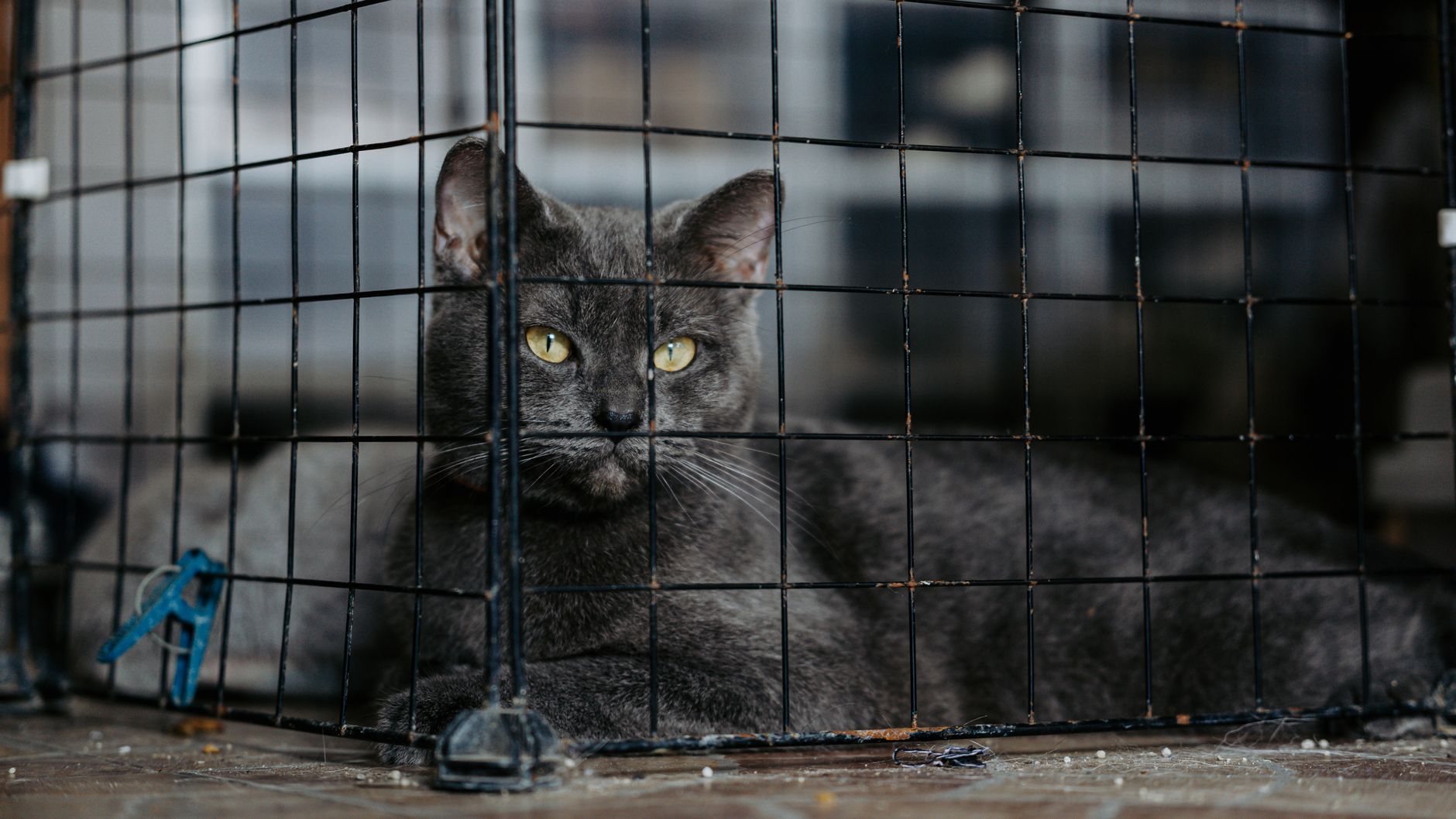
Cat adoption typically costs between $50 and $250 upfront, but that’s just the beginning. The real investment includes first-year expenses ranging from $1,000 to $2,500, with annual ongoing costs of $700 to $1,500, and a potential lifetime cost of $10,785 to $54,270 over a 20-year lifespan.
Understanding both the obvious and hidden costs of cat ownership is essential before adopting. For example, a municipal shelter adoption might cost only $75, but if your new cat needs an emergency dental extraction within the first year, you could face an unexpected $500 to $1,000 bill. This guide covers the complete picture: adoption fees, total cost of ownership, adoption requirements, hidden expenses, and the profound health and emotional benefits that make cat ownership worthwhile for many households.
Table of Contents
- How Much Does Cat Adoption Really Cost?
- The Complete First-Year Cost of Ownership and Beyond
- What You Need to Know About Adoption Requirements
- The Hidden Veterinary Costs That Surprise Most Cat Owners
- The Overlooked Expenses Beyond Veterinary Care
- The Proven Health and Wellness Benefits of Cat Adoption
- Making an Informed Decision About Cat Adoption
- Frequently Asked Questions
How Much Does Cat Adoption Really Cost?
Adoption fees vary significantly based on shelter type and location. Municipal shelters typically charge $0 to $150, making them the most affordable option for budget-conscious adopters. Foster-based rescues charge $75 to $255, while private shelters fall somewhere in between. Senior cats (age 7 and older) often have substantially lower adoption fees, ranging from $0 to $100, as shelters prioritize finding homes for older animals.
For example, a senior cat from a municipal shelter might be adopted for free or $25, while an adult cat from a rescue might cost $150 to $200. These adoption fees include valuable services worth $300 to $600 if purchased separately. Most shelters cover spay or neuter surgery, core vaccinations (rabies and FVRCP), microchipping, and an initial health examination. For someone adopting from a rescue, these services represent genuine savings. However, the inclusion of these services doesn’t guarantee your cat won’t need additional medical attention in the first weeks at home—shelter cats often carry undiagnosed health issues that only become apparent after adoption.
The Complete First-Year Cost of Ownership and Beyond
First-year ownership costs for a healthy indoor cat range from $1,000 to $2,500, then settle into an annual maintenance budget of $700 to $1,500 per year thereafter. This means a cat adopted at age two could cost you $10,785 to $54,270 over a 20-year lifespan, with high-care scenarios potentially reaching $72,595. These figures account for food, litter, routine veterinary care, toys, and basic supplies. A household adopting a single healthy cat on a modest budget might spend closer to $1,000 in the first year, while someone adopting a cat with chronic health issues could easily exceed $2,500.
The difference between years one and subsequent years comes down to initial setup costs. Your first year includes purchasing a litter box, food bowls, scratching posts, beds, and toys—items that don’t need replacement annually. If you’re renting and need to repair furniture or carpeting damaged by scratching before move-out, first-year costs can spike dramatically. After these initial purchases, most households settle into predictable annual spending on food, litter, routine vet checkups, and preventive care.
What You Need to Know About Adoption Requirements
Most shelters and rescues require adopters to be at least 18 years old, though some mandate 21 or older. They’ll require valid photo identification that verifies both your age and current address. This is non-negotiable; shelters have legal obligations to ensure cats go to appropriate homes. If you don’t have a current ID with your address, you’ll need to update it or bring additional documentation like a recent utility bill or lease agreement.
If you’re renting, you’ll need landlord approval verified before adoption—many shelters call landlords directly or require written documentation. Some conduct home visits to assess whether your living space is adequate for the cat’s needs. Shelters want to confirm you have proper space, appropriate windows for natural light, and a safe environment. If you already own other animals, shelters will contact your veterinarian to confirm that your existing pets are spayed or neutered and current on vaccinations. This prevents adopters from placing a new cat into a home with unvaccinated animals that could transmit disease.
The Hidden Veterinary Costs That Surprise Most Cat Owners
Routine veterinary visits average $50 to $200 each, and most cats need at least one annual checkup. Annual dental cleanings cost $200 to $600 and are recommended to prevent tooth disease and systemic infections. Emergency veterinary bills represent the biggest financial shock: treatment for injuries, illnesses, or emergencies can cost $500 to $5,000 or more depending on the condition. A cat hit by a car might need $2,000 to $3,000 in emergency care, while a urinary blockage in a male cat could exceed $2,000 without quick treatment.
Most veterinarians recommend building an emergency fund of $500 to $1,000 specifically for pet healthcare before or immediately after adoption. This cushion prevents you from facing impossible choices if your cat becomes seriously ill during your first year together. Without this safety net, a routine visit for signs of illness can become financially stressful. Many cat owners don’t realize that dental disease—one of the most common health problems in cats—requires professional cleaning under anesthesia, which carries both financial and health risks.
The Overlooked Expenses Beyond Veterinary Care
Pet deposits for rental housing add $100 to $500 to your moving costs if you adopt a cat before relocating. Cat-sitting or boarding services cost $20 to $50 per day when you travel, which adds up quickly for people who take extended vacations. A two-week vacation with daily cat care at $30 per day costs $420—more than many adoption fees. Furniture and carpet replacement due to scratching represents a substantial hidden cost that renters often face.
Even with scratching posts, some cats will damage furniture, and landlords may charge $500 to $2,000 for carpet replacement at lease’s end. These expenses are particularly relevant if you travel frequently for work or vacation. A cat owner who travels four times per year for a week each time could spend $560 annually on cat-sitting alone. Scratching posts, cat trees, and deterrent sprays help mitigate furniture damage but aren’t foolproof. Planning for these costs during your budget phase prevents resentment toward your cat later.
The Proven Health and Wellness Benefits of Cat Adoption
Cat ownership provides measurable health benefits backed by research. A study of over 4,400 people found that cat owners had a 30 percent lower risk of dying from heart attack compared to non-cat owners. Cat owners tend to have lower blood pressure and reduced stress levels overall. Beyond cardiovascular benefits, petting a cat boosts serotonin production while reducing cortisol (the stress hormone). A cat’s purr operates at a frequency of 25 to 240 Hz, and this vibration is linked to calming effects and anxiety reduction.
Simply sitting with a purring cat for 15 minutes can noticeably lower your heart rate and stress perception. American Academy of Neurology research shows that cat owners experience slower cognitive decline compared to non-pet owners. Early childhood exposure to cats also decreases the likelihood of developing allergies later in life, according to research published in the Clinical & Experimental Allergy Journal. These benefits aren’t merely emotional comfort—they’re physiological changes measurable through blood pressure monitoring, hormone testing, and cognitive assessments. For elderly people or those with high stress, a cat can provide health benefits comparable to some medications.
Making an Informed Decision About Cat Adoption
The financial commitment of cat ownership extends far beyond the adoption fee. Between the immediate costs of setup and initial medical care ($1,000 to $2,500 in year one) and the hidden expenses most people underestimate (emergency vet bills, dental care, travel costs), adopting a cat is a responsibility that requires genuine financial planning. A young, healthy cat from a municipal shelter might remain inexpensive to maintain for years, while an older cat or one with pre-existing health conditions could require substantial ongoing investment. Your lifestyle matters too—frequent travelers will pay more for cat-sitting than homebody households.
Before adopting, honestly assess your budget for emergency vet care, your rental or housing situation, and your ability to commit to the cat’s needs for potentially two decades. The health and stress-reduction benefits of cat ownership are significant and well-documented, but they only matter if you can afford proper veterinary care and have stable housing. A cat thrives when their owner isn’t stressed about financial strain. Adoption from shelters and rescues remains one of the most ethical and cost-effective ways to find a companion animal, particularly when you adopt an adult or senior cat that might otherwise spend months waiting for a home.
- —
Frequently Asked Questions
Can I adopt a cat if I rent?
Yes, but you need written landlord approval before adoption. Most shelters require verification of pet-friendly housing and may conduct a home visit. If your lease doesn’t explicitly allow cats, you’ll need an amendment or written permission from your landlord before the shelter will proceed.
What happens if I can’t afford an emergency vet bill after adopting?
This is why vets recommend building a $500 to $1,000 emergency fund before or immediately after adoption. Some veterinary clinics offer payment plans for large bills, and pet insurance (if purchased within days of adoption) can help offset future costs, though it won’t cover pre-existing conditions.
Are senior cats harder or more expensive to care for than young cats?
Senior cats typically have lower adoption fees but often require more veterinary care due to age-related health issues like dental disease, kidney problems, or hyperthyroidism. Your first-year costs might be higher than with a young cat, but the shorter expected lifespan means a lower total financial commitment over time.
Do I need pet insurance for a newly adopted cat?
Pet insurance isn’t mandatory, but it’s worth considering, especially if you adopt from a rescue with no health history. Most policies won’t cover pre-existing conditions, so purchasing insurance within days of adoption is important. Compare plans, as coverage and pricing vary significantly by provider.
Why do shelters verify information with my veterinarian?
Shelters contact your vet to confirm that any animals you currently own are spayed or neutered and current on vaccinations. This protects the adopted cat from potential disease transmission and ensures you have established veterinary care and a history of responsible pet ownership.
How much should I budget for cat food and litter annually?
Budget $300 to $500 per year for food and $200 to $400 for litter, depending on your cat’s age, dietary needs, and litter type. Senior or indoor-only cats with medical conditions may need specialized food that costs more, significantly increasing this baseline. —