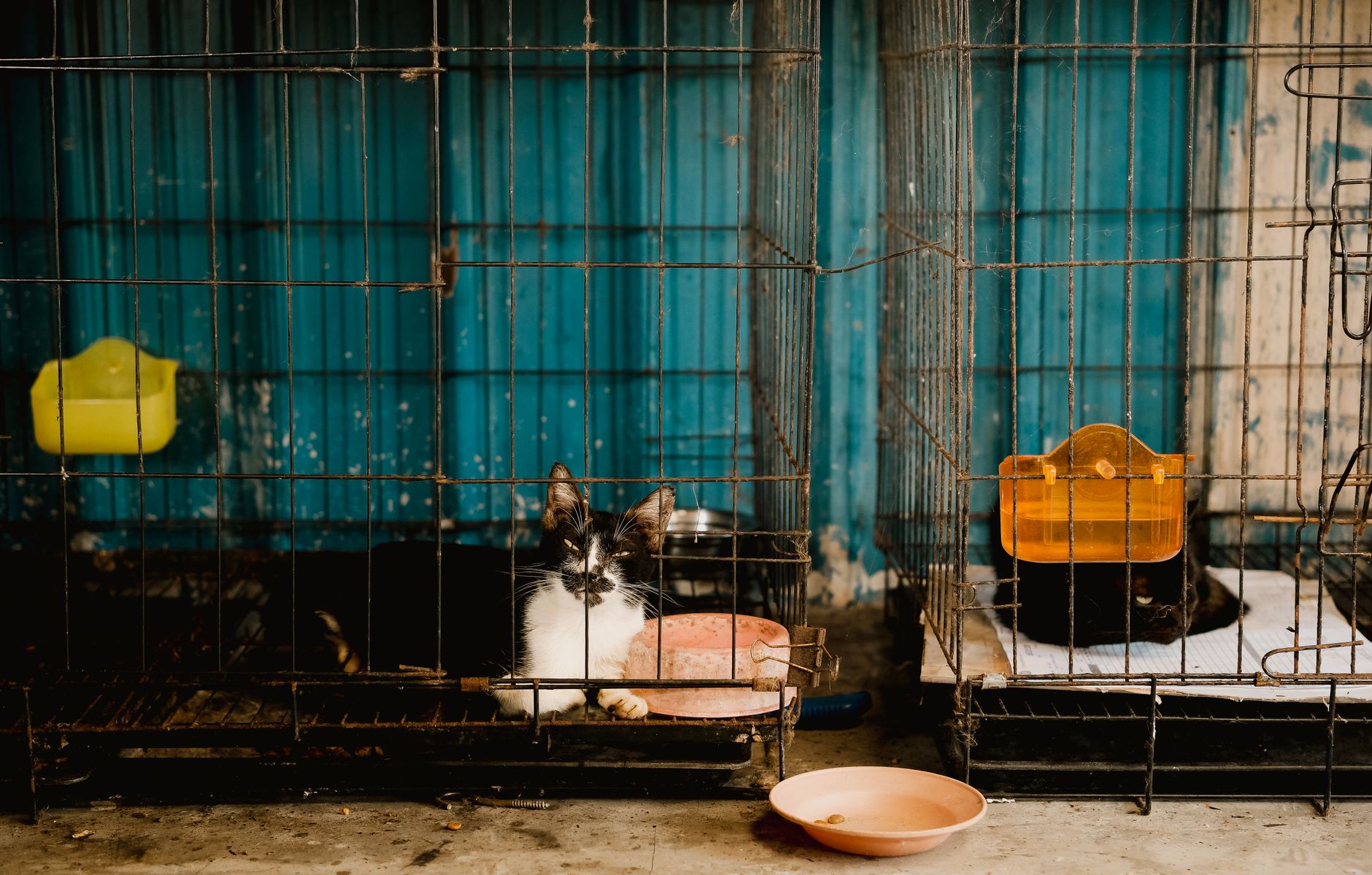
The numbers tell a striking story: in 2025, cat adoptions reached 2.2 million—a record that signals a fundamental shift in American pet ownership. Cats now account for more than half of all shelter pet adoptions, surpassing dogs for the first time in recorded adoption data. This isn’t a modest uptick; it represents a 14% increase in cat adoptions since 2019, with the adoption rate itself climbing to 63% in 2025, up from 62% the year before. These figures, released by Shelter Animals Count and the ASPCA in early 2026, reveal that the headlines are not hype—the data is real, consistent, and pointing toward what industry analysts are calling a “Cat Renaissance.” What’s driving these numbers? The answer lies in a convergence of demographic, economic, and cultural factors that have made cat ownership increasingly attractive to younger generations.
Millennials and Gen Z account for the lion’s share of new cat adoptions, particularly drawn to kittens, which now represent 80% or more of new cat households. A young professional working from home in a city apartment finds a cat far more practical than a dog—requiring less daily attention, fitting neatly into smaller living spaces, and demanding less infrastructure. But beneath the headline numbers sits a more complex reality: 3 million cats entered U.S. shelters in 2025, shelf overcrowding has persisted for four consecutive years, and adoption barriers like rising veterinary care costs continue to affect which cats find homes.
Table of Contents
- What the Numbers Reveal About Cat Adoption Growth
- Why Cats Are Winning the Adoption Competition
- Where Shelter Cats Come From: The Intake Picture
- Who Is Adopting Cats and Why
- The Overcrowding Crisis and Its Role in Adoption Pressure
- Shelter Outcomes: Where the 3 Million Cats End Up
- The Humanization of Cat Ownership and Modern Adoption Expectations
- Frequently Asked Questions
What the Numbers Reveal About Cat Adoption Growth
The 2025 adoption data represents more than just a single-year milestone. The 2.2 million cats adopted from U.S. shelters constitute a measurable, verifiable increase within a growing sector of pet adoption. breaking this down further: these 2.2 million adoptions came from an estimated 3 million cats that entered shelters and rescues nationwide in 2025, meaning roughly 73% of shelter cats found homes through adoption—a historically strong outcome given historical baseline rates. The 63% adoption rate cited in the Shelter Animals Count report indicates the percentage of all cats that entered shelters and were ultimately adopted (as opposed to being euthanized, transferred, returned to owners, or remaining in shelter care).
Cats now represent 2.2 million of the 4.2 million total pet adoptions reported in 2025, making felines the clear adoption leader. To put this in perspective: dogs, the historical adoption champion, accounted for the remaining 2 million adoptions, marking the first documented year cats exceeded dogs in adoption volume. This shift is not attributable to a sudden drop in dog adoptions; rather, it reflects an accelerating trend favoring cats. Since 2019, cat adoptions have grown 14%, a steady increase that predates the post-pandemic surge many associate with pet adoption. The demographic driving this shift skews young: Millennials and Gen Z represent the fastest-growing segment of new cat owners, a departure from historical patterns where older demographics dominated feline pet ownership.
Why Cats Are Winning the Adoption Competition
The structural appeal of cat ownership has fundamentally changed how younger people approach pet selection. Industry analysts have coined the term “Cat Renaissance” to describe this phenomenon—a recognition that cats now benefit from design and lifestyle factors that previously favored dogs. Cats require no walks, no outdoor bathroom breaks, and no constant supervision during a work day. For the remote-working professional or apartment dweller, these practical advantages are decisive. Additionally, cats produce less daily chaos; a cat at home alone for eight hours is materially different from a dog in the same situation, and that difference reshapes household budget, stress, and time allocation.
Beyond practicality lies cultural shift. Modern cat owners—predominantly Millennials and Gen Z—approach feline care with an investment and attention level that mirrors how previous generations cared for dogs. Today’s cat owners purchase enrichment toys, schedule training sessions, invest in behavioral consultants, and view their cats as complex social beings requiring intellectual stimulation. This represents a dramatic departure from the “low-maintenance pet” narrative that defined cat ownership in prior decades. The humanization of cat ownership means cats are no longer adopted as passive household ornaments; they are adopted as active family members. This psychological reframing has made cat adoption more intentional and serious, which paradoxically increases adoption stability—owners who adopt cats with realistic expectations about enrichment needs and behavioral variation are less likely to return them.
Where Shelter Cats Come From: The Intake Picture
Understanding adoption numbers requires understanding intake numbers, and here the data becomes more sobering. Approximately 3 million cats entered U.S. shelters and rescues in 2025, according to Shelter Animals Count data. Of all dog and cat intakes nationwide, 59% are strays—animals brought in by the public, not surrendered by owners. This stray-heavy intake profile means that most shelter cats arrived unwanted, unclaimed, and often in unknown health and behavioral states.
Among adopted pets, 27% are rehomed strays, indicating that a substantial portion of successful adoptions involved animals that had no previous domestic history or owner relationship. The implication is significant: the 2.2 million cat adoptions represent a massive sorting and rehoming operation. Before adoption could occur, these cats had to be captured, scanned for microchips, held for stray holds (typically three to five days), assessed for behavior and health, spayed or neutered, vaccinated, and made available to the public. This operational load explains why shelter overcrowding has persisted for four consecutive years despite rising adoptions. Shelters are simultaneously processing more animals while successfully placing more animals—a combination that strains infrastructure and staff. The reality is that without the dramatic rise in adoption rates, the overcrowding crisis would be catastrophically worse.
Who Is Adopting Cats and Why
The demographic data reveals that cat adoption is being driven by a specific, predictable cohort: younger, often urban, frequently employed in remote-capable roles. Millennials and Gen Z are the primary drivers, attracted to cats for apartment living, remote work compatibility, and lower daily attention demands. These adopters tend to adopt kittens specifically—80% or more of new cat households now feature kittens rather than adult or senior cats. This kitten preference shapes shelter operations, as kittens cycle through adoption quickly while adult and senior cats often languish in shelters longer. The practical appeal is straightforward: a kitten can be integrated into an established household or living situation with fewer behavioral unknowns, and the owner gets years of companionship ahead. Cost is a complicating factor in this demographic equation.
Rising veterinary care costs and elevated pet food prices are documented barriers to adoption, according to shelter industry trend analysis. A younger person considering cat adoption in 2025 faces significantly higher lifetime care costs than someone considering adoption in 2019. Initial veterinary care (spay/neuter, vaccines, preventive health screening) can exceed $500 at many clinics; annual wellness visits, vaccinations, and preventive care now commonly run $300-600 per year. Food prices have similarly escalated, particularly for higher-quality diets addressing specific health needs. These barriers likely prevent some potential adopters from taking cats home, even when the emotional motivation is present. Remote work policies, meanwhile, have created a window of opportunity: workers with flexibility to be home during the day find cat ownership far more compatible with their schedules than they would have in prior decades when office work was mandatory.
The Overcrowding Crisis and Its Role in Adoption Pressure
While adoption rates have climbed impressively, shelter overcrowding has paradoxically worsened. Four consecutive years of overcrowding (from 2021 onward) indicates that shelter intake exceeds shelter capacity and adoption capability on a sustained basis. Shelters are operating above their designed physical and staffing limits, and animals are experiencing longer lengths of stay than historical baseline. This reality creates a troubling subtext to the adoption headline: the higher adoption numbers, while genuinely positive, are still insufficient to prevent backlog and overcrowding. Shelters have urgently increased adoption efforts, reduced barriers to adoption (lower fees, shorter adoption processes), and leveraged social media and transfer networks to move animals. These efforts have successfully increased adoptions, but underlying intake volume remains stubbornly high.
The overcrowding crisis creates hidden welfare costs for animals. Longer shelter stays expose cats to stress, disease risk, and behavioral deterioration. A cat that enters a shelter as a healthy, sociable stray may develop shelter-induced behavioral issues—fear, aggression, or litter box avoidance—if housed for weeks in a kenneled environment. Staff burnout in overcrowded facilities reduces individual attention to animals, and the likelihood of missed medical issues increases. The 2025 adoption data, while positive on its surface, must be interpreted against this backdrop: higher adoptions are necessary precisely because intake has overwhelmed shelter systems for four years. Without the rise in cat adoption specifically, the overcrowding crisis would have deepened further.
Shelter Outcomes: Where the 3 Million Cats End Up
Of the approximately 3 million cats that entered U.S. shelters in 2025, here is where they ended up: 2.2 million were adopted (73%), 362,000 were returned to their owners or to the field (12%), 277,000 were euthanized (9%), and 376,000 were transferred to other organizations for ongoing care or placement (13%). These figures, sourced from ASPCA and Shelter Animals Count data, reveal that successful adoption represents the dominant outcome—but also that euthanasia, while declining, remains a significant endpoint. The 9% euthanasia rate represents an improvement from 2019, when euthanasia accounted for roughly 10% of shelter outcomes.
However, declining euthanasia rates must be viewed in context: as adoption rates rise, the pressure to euthanize decreases, but only if transfers and alternative placements can absorb the remaining population. The “returned to owner/field” category is particularly important for understanding shelter operations. Approximately 362,000 cats in this category likely includes nursing mothers and feral cats that were trapped and released after spay/neuter (part of Trap-Neuter-Return programs), as well as legitimate owner reclaims. For the 376,000 cats transferred to other organizations, these are animals that individual shelters could not place but that other rescue groups, fosters, or regional partners accepted. The transfer network has become essential to preventing euthanasia during periods of overcrowding.
The Humanization of Cat Ownership and Modern Adoption Expectations
Today’s cat adopters are not adopting cats as passive decorations or rodent hunters; they are adopting them as behavioral and cognitive partners deserving enrichment and training. This represents a structural departure from historical cat ownership norms. Millennials and Gen Z cat owners purchase climbing structures, puzzle feeders, window perches, interactive toys, and behavioral training at rates that mirror or exceed prior dog-owner spending.
A modern cat owner may consult a feline behaviorist to address stress or marking behaviors, arrange for cat-sitting during vacations, or invest in calming supplements and pheromone diffusers. This level of deliberate investment shapes adoption compatibility: cats adopted into homes with realistic expectations about enrichment needs and behavioral variation are less likely to be returned or rehomed. The adoption data itself—63% adoption rate, 14% growth since 2019, cats outnumbering dogs—is grounded in this cultural reframing. Cats are winning the adoption competition not because they are easier, but because adopters now understand them as requiring the same thoughtful care and investment as dogs, and are increasingly willing to provide it.
Frequently Asked Questions
How many cats were adopted from shelters in 2025?
2.2 million cats were adopted from U.S. shelters in 2025, according to Shelter Animals Count and ASPCA data released in early 2026.
Do cats now outnumber dogs in adoptions?
Yes. In 2025, cats accounted for 2.2 million of the 4.2 million total pet adoptions, making cats the leading adopted pet for the first time in recorded adoption data.
What is driving the rise in cat adoptions?
Millennials and Gen Z are the primary drivers, attracted to cats for apartment living, remote work compatibility, and lower daily attention demands. Additionally, modern cat owners invest in enrichment and training at levels that mirror historical dog ownership, making cat adoption more intentional.
Why are shelters still overcrowded if adoption rates are rising?
Shelter overcrowding persists because intake volume (3 million cats in 2025) continues to exceed adoption and placement capacity, despite higher adoption rates. Four consecutive years of overcrowding indicates systemic intake pressure that adoption alone cannot resolve.
Are euthanasia rates declining?
Yes. Cat euthanasia rates declined approximately 2% in 2025 compared to 2024, and overall euthanasia has dropped from 10% of outcomes in 2019 to 8% in 2025. However, euthanasia remains a significant outcome, representing 277,000 cats in 2025.
What percentage of adopted cats are strays or rescues?
59% of all dog and cat intakes are strays. Among adopted pets, 27% are rehomed strays, indicating that a substantial portion of adoptions involve animals with no prior owner relationship.