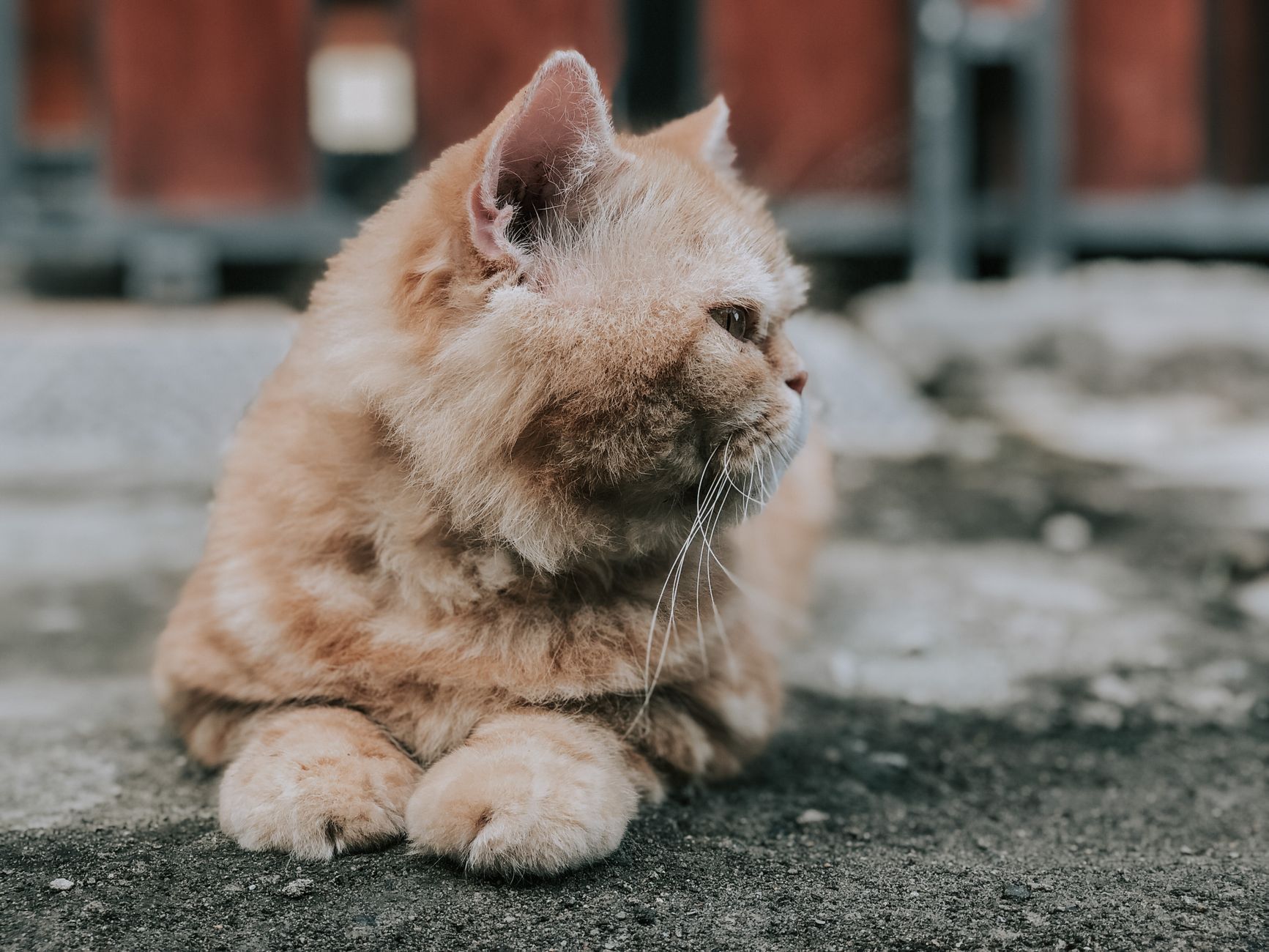
When a newly adopted orange cat suddenly collapses or stiffens mid-stride, then recovers moments later as if nothing happened, it’s understandable that a confused owner might wonder if the feline has a neurological condition resembling the quirky “fainting” seen in myotonic goats. In reality, cats exhibiting these episodes are experiencing one of several distinct medical or behavioral phenomena—some benign, others requiring immediate veterinary attention. The most common explanation for collapse-like episodes in cats is syncope (true fainting), often triggered by cardiac arrhythmias or blood pressure drops, though muscle stiffness that resembles myotonia congenita in goats can also occur in felines, though far less commonly.
An orange tabby might drop to the floor with all four legs extended rigid, appear unresponsive for several seconds or minutes, then stand up and walk away seemingly unaffected. For an owner witnessing this for the first time—perhaps moments after bringing the cat home from a shelter or rescue—the experience is alarming and deeply confusing. The episodes may happen once a month or several times a week, making it difficult to predict when the next event will occur.
Table of Contents
- WHAT CAUSES FELINE SYNCOPE AND MUSCLE EPISODES?
- DISTINGUISHING SYNCOPE FROM SEIZURE FROM MYOTONIA
- BREED AND GENETIC PREDISPOSITIONS
- WHEN TO SEEK EMERGENCY VETERINARY CARE
- DIAGNOSTIC CHALLENGES AND RED FLAGS
- DIAGNOSTIC TESTING AND MONITORING
- MANAGEMENT AND MEDICATION OPTIONS
- Frequently Asked Questions
WHAT CAUSES FELINE SYNCOPE AND MUSCLE EPISODES?
Fainting in cats has several medical origins, the most important being cardiac disease. Hypertrophic cardiomyopathy (HCM), the most common heart condition in cats, reduces the heart’s efficiency and can trigger irregular heartbeats that briefly limit blood flow to the brain. When the brain experiences sudden oxygen deprivation, the cat loses consciousness and collapses. Unlike the voluntary muscle stiffening in myotonic goats—which involves a genetic muscle disorder that causes delayed muscle relaxation—true syncope in cats is an involuntary loss of consciousness caused by insufficient cerebral perfusion.
A second possibility is that the cat is experiencing brief seizures rather than syncope. Seizure episodes can range from barely noticeable (a momentary stare or ear twitch) to full-body convulsions lasting several minutes. Some cats have petit mal-like seizures that cause sudden muscle rigidity and collapse without the dramatic thrashing associated with grand mal seizures. Idiopathic epilepsy (seizures with no identifiable cause) occurs in cats, though it is less common than in dogs. Environmental toxins, metabolic disorders, or brain tumors can also trigger seizure activity in adopted cats, particularly if the medical history is unknown.
DISTINGUISHING SYNCOPE FROM SEIZURE FROM MYOTONIA
Identifying what is actually happening during an episode requires careful observation of specific details. During a syncopal episode, the cat typically collapses without warning, loses consciousness briefly (usually 10-30 seconds), and awakens confused or disoriented. The cat’s eyes may roll back; the body remains limp. Recovery is often gradual, with the cat appearing groggy or dazed afterward. Seizures, by contrast, often involve involuntary muscle movements (paddling, chewing, salivating), may be preceded by an aura (unusual behavior before the event), and frequently result in post-ictal confusion or exhaustion lasting several minutes to hours.
True myotonia in cats is exceedingly rare and would present as stiffness and delayed muscle relaxation rather than unconsciousness. The cat might appear “frozen” or move in an abnormally rigid gait, but consciousness and awareness would remain intact. This distinction is crucial because the diagnostic pathway and treatment plan differ dramatically. A cat that truly loses consciousness needs cardiac and neurological evaluation; a cat with muscle stiffness but retained awareness might require a different diagnostic approach. One important limitation: many owners cannot distinguish between these conditions from observation alone, which is why video recording episodes and presenting them to a veterinarian is invaluable.
BREED AND GENETIC PREDISPOSITIONS
Orange tabby cats do not have a recognized genetic predisposition to syncope or seizures, though individual cats of any color and pattern can develop either condition at any age. However, certain breeds are more prone to specific cardiac conditions that cause fainting. Maine Coons, Ragdolls, British Shorthairs, and Sphynx cats have higher incidence rates of hypertrophic cardiomyopathy, the primary cardiac cause of syncope in felines. Domestic shorthairs and domestic longhairs like typical orange tabbies can also develop HCM, but the prevalence is lower than in purebred lines.
Genetic factors influence susceptibility to epilepsy as well. Some cat families show clustering of seizure activity, suggesting hereditary components, though inheritance patterns are not as well-defined in cats as they are in some dog breeds. An adopted orange cat with unknown parentage and medical history carries some unknowns. If the cat came from a shelter, rescue, or uncertain background, genetic predispositions may exist but remain undocumented. This underscores the importance of obtaining whatever medical records are available at adoption and communicating the cat’s history clearly to a veterinarian.
WHEN TO SEEK EMERGENCY VETERINARY CARE
The first episode witnessed in an adopted cat should prompt a call to a veterinarian, but determining whether the situation is emergent or routine requires some judgment. If the cat appears to lose consciousness, does not respond to stimuli during the episode, or takes longer than a minute to fully recover, this warrants urgent evaluation—potentially same-day or emergency clinic assessment if it occurs outside regular hours. If the cat has had multiple fainting episodes in a short period (three or more within 24 hours), emergency care is appropriate because rapid recurrence suggests an acute problem that may be life-threatening.
In contrast, a single isolated episode in a cat that otherwise seems healthy and quickly returns to normal behavior can typically wait for a regular veterinary appointment within a few days. However, “wait and see” is riskier than prompt evaluation because underlying cardiac disease can worsen unpredictably, and seizure disorders require baseline diagnostic testing to determine cause and appropriate treatment. Many vets recommend a baseline ultrasound of the heart (echocardiogram) for any cat with syncope, even a single episode, because structural or functional cardiac abnormalities may not be apparent on physical examination alone.
DIAGNOSTIC CHALLENGES AND RED FLAGS
Diagnosing syncope or seizure episodes in an adopted cat can be complicated by incomplete medical history. The previous owner may not have reported prior episodes, or the cat might never have displayed the behavior before the stress of adoption triggered an episode. Stress itself—from transport, environmental change, or new household dynamics—can lower the threshold for seizure activity or unmask latent cardiac arrhythmias.
One significant limitation is that a single veterinary examination cannot always capture or document an event; the cat may be completely normal on the day of the appointment, and cardiac or neurological abnormalities might only manifest during or shortly after an episode. Red flags that indicate potentially serious underlying disease include loss of consciousness lasting more than one minute, multiple episodes within days, post-episode incontinence or self-injury, changes in appetite or behavior, or episodes triggered consistently by specific activities like exercise or excitement. A cat that faints after exertion, particularly if the fainting occurs during play or climbing, raises higher suspicion for cardiac disease because exercise exacerbates arrhythmias and inadequate cardiac output. Warning: Do not assume episodes are “just stress” without professional evaluation, as this mindset can delay diagnosis of treatable or manageable conditions.
DIAGNOSTIC TESTING AND MONITORING
Standard diagnostic workup for feline syncope or seizure includes physical examination, bloodwork (CBC and chemistry panel to rule out metabolic causes), and cardiac imaging. An echocardiogram provides detailed images of heart structure and function and can detect thickened heart muscle walls, enlarged chambers, or valve abnormalities. For seizure evaluation, a veterinarian may recommend a neurological examination, and in some cases, advanced imaging such as MRI if a tumor or structural brain abnormality is suspected.
Baseline EKG (electrocardiogram) recording is useful but captures the heart rhythm only during the appointment; a portable Holter monitor worn for 24-48 hours can detect intermittent arrhythmias that occur during daily activity. Home monitoring also matters. Keeping a detailed log of episodes—time, duration, triggering activity if any, behavior during and after—provides critical information to the veterinarian. Video recording an episode, if possible, is extremely helpful for distinguishing syncope from seizure or other behaviors that might mimic medical episodes (such as a cat playing or stretching).
MANAGEMENT AND MEDICATION OPTIONS
Once a diagnosis is established, treatment depends on the underlying cause. Cardiac syncope caused by hypertrophic cardiomyopathy may be managed with medications such as beta-blockers (atenolol), ACE inhibitors, or calcium channel blockers to reduce arrhythmias and improve heart function, though treatment aims to stabilize the condition rather than cure it. Seizures are often managed with anti-convulsant medications like phenobarbital or levetiracetam, though not all seizures require medication; a single isolated seizure in an otherwise healthy cat may not necessitate long-term drug therapy.
An adopted orange cat diagnosed with syncope or seizure disorder faces a fundamentally changed relationship with exercise and activity. Owners must recognize that intense play, excessive excitement, or strenuous exercise may trigger episodes, necessitating a quieter, more controlled household environment compared to an unadopted kitten without underlying disease. For cats on cardiac medications, close monitoring for medication side effects and periodic follow-up echocardiograms ensure the treatment plan remains effective. Cats with well-managed seizure disorders often live normal lifespans with appropriate medication compliance and veterinary oversight.
- —
Frequently Asked Questions
Can a cat actually have myotonia congenita like fainting goats do?
True myotonia congenita is extraordinarily rare in cats. If a cat exhibits muscle stiffness without loss of consciousness, the diagnosis is far more likely to be seizure activity, cardiac syncope with post-event rigidity, or rarely, another neuromuscular condition. Genetic testing for myotonia is available in dogs but not routinely performed in cats.
Is fainting in cats always dangerous?
A single syncopal episode may be a one-time event with no serious cause, but it should never be ignored. Recurrent or frequent episodes indicate an underlying problem that can worsen. Cardiac causes of syncope carry risk of sudden arrhythmia; seizure disorders can escalate in frequency or severity.
Can stress from adoption cause fainting episodes?
Stress can lower the seizure threshold and unmask latent cardiac conditions but does not directly cause syncope. However, a cat with undiagnosed cardiac disease or seizure predisposition may experience its first episode during the stress of adoption and transition.
How long do fainting episodes last?
Syncopal episodes typically last 10-30 seconds from loss of consciousness to return of awareness. Seizures vary widely, from brief stiffening lasting only seconds to full convulsions lasting several minutes. Any episode lasting longer than one minute warrants emergency evaluation.
Should my cat be allowed to exercise if diagnosed with syncope?
Cats with cardiac syncope should not be allowed vigorous exercise or intense play, as exertion can trigger episodes. Quiet, short periods of gentle activity are typically safer than the enthusiastic play normal cats enjoy.
What medications help prevent fainting in cats?
For cardiac syncope, beta-blockers and ACE inhibitors are commonly prescribed. For seizures, phenobarbital and levetiracetam are standard anti-convulsants. The appropriate medication depends on the confirmed diagnosis and underlying cause.