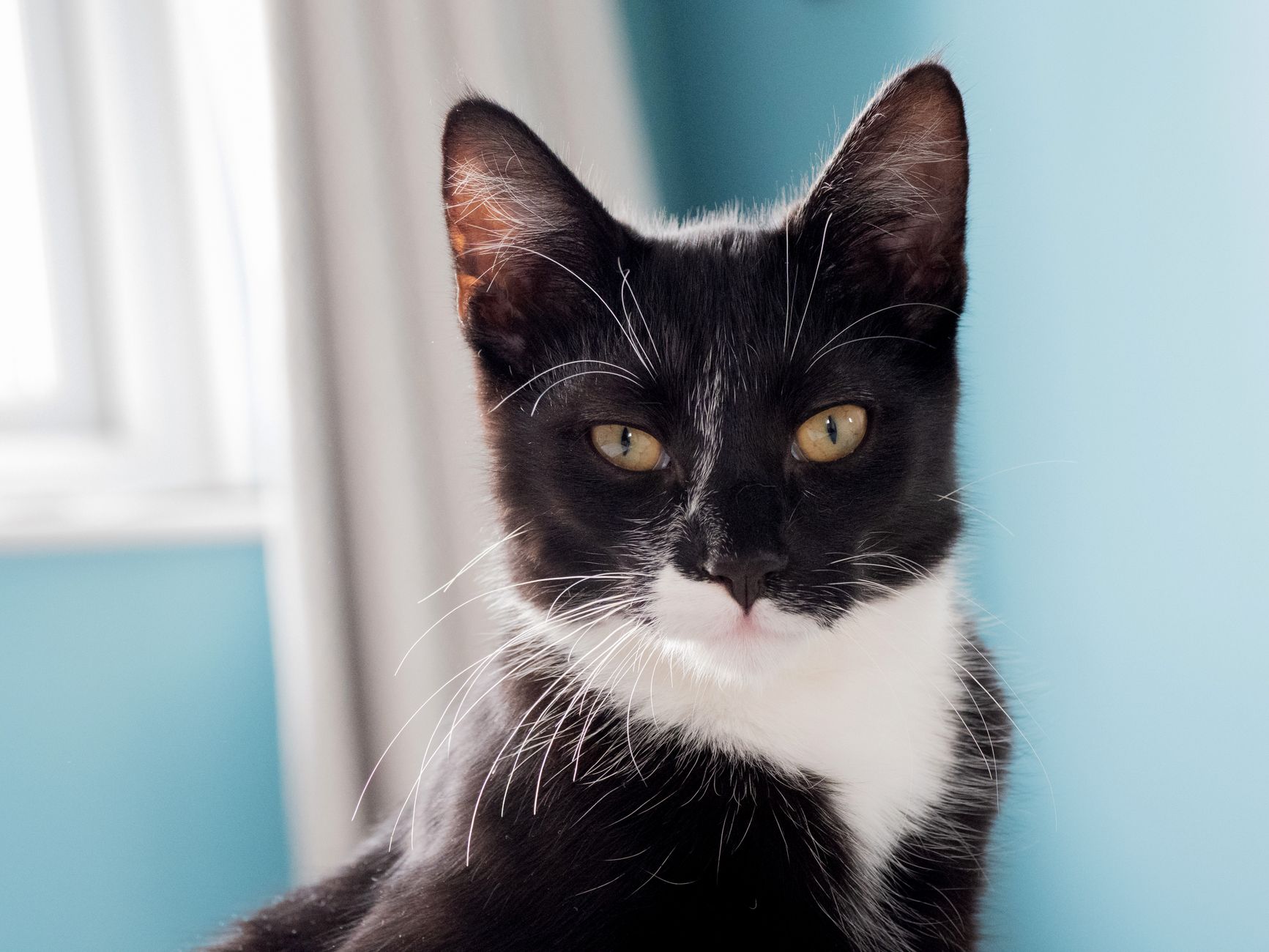
While Jersey, a playful kitten at Lort Smith Animal Hospital in Melbourne, is available for adoption, this specific profile has not been published as an official adoption profile or news story. That said, Jersey's profile—a young, affectionate kitten seeking a family ready for active engagement—reflects what many adoptable kittens need from their new homes.
Prospective adopters should understand the daily commitment required before bringing a kitten like Jersey home. Any kitten's success depends less on the kitten's personality and far more on whether the family can provide consistent interaction, play, and attention. This article explains what families considering a kitten adoption should know about meeting those needs.
Table of Contents
- What an Affectionate, Playful Kitten Requires
- Daily Time and Attention Commitments
- Age and Development Before Adoption
- Consider Adopting a Second Kitten
- Before You Adopt: Readiness Checklist
- Frequently Asked Questions
What an Affectionate, Playful Kitten Requires
kittens with Jersey's profile—social, eager to explore, and responsive to human interaction—thrive on engagement but can develop behavioral problems without it. According to SFSPCA, NHSPCA, and San Diego Humane Society guidelines, kittens that do not receive adequate attention often bite, scratch inappropriately, or develop litter box avoidance. Affection alone is not enough; the kitten needs regular play sessions and supervised exploration, not just occasional petting.
An affectionate kitten is not a passive pet. Jersey's playful nature means the kitten will seek out interaction—climbing on you, pouncing on objects, and testing boundaries. Families must be prepared to channel that energy into appropriate toys and play sessions rather than redirect problem behavior after the kitten has already developed bad habits.
Daily Time and Attention Commitments
Experts recommend kittens receive 2 to 3 handling sessions daily plus dedicated playtime, according to SFSPCA, NHSPCA, and San Diego Humane Society standards. A single daily interaction is insufficient to prevent behavioral issues. This means 30–60 minutes per day distributed across morning, midday, and evening sessions.
Families with work schedules, travel, or limited time should not adopt a kitten. A kitten left alone 8–10 hours daily without interactive engagement will likely develop destructive behaviors, excessive vocalization, or litter box problems that appear suddenly weeks after adoption. The problem is not with the kitten; it reflects unmet developmental needs.
Age and Development Before Adoption
Kittens should remain with their mother and littermates for 12 to 16 weeks minimum before adoption, per American Humane Society and Best Friends animal Society standards. Removing a kitten earlier disrupts crucial behavioral and social development.
Verify Jersey's age and adoption readiness with Lort Smith staff before committing. Early weaning and isolation can cause lasting behavioral issues including difficulty regulating play intensity, poor social skills with other animals, and anxiety-driven behaviors. Adoption age matters as much as the individual kitten's temperament.
Consider Adopting a Second Kitten
Littermates or compatible kittens benefit each other dramatically. According to SFSPCA Kitten Adoption Handbook guidelines, adopting two kittens together provides essential companionship, encourages healthy play that tires them out, and develops better social skills than a solo kitten receives.
Two kittens require only marginally more care than one and prevent the behavioral problems that boredom and isolation create. If Jersey has a littermate or compatible companion at Lort Smith, adopting both reduces the daily responsibility on your household. The kittens entertain and teach each other, lowering the likelihood of behavioral problems and reducing the risk of adoption failure.
Before You Adopt: Readiness Checklist
Confirm your household can commit before contacting Lort Smith. Ask yourself: If you answered "no" to any question, a kitten adoption is not the right timing for your family. Waiting until circumstances align prevents returning a kitten after months of attachment.
- Can your family provide 30–60 minutes of interactive engagement daily, distributed across morning, midday, and evening?
- Does your work schedule allow midday breaks or can you hire a pet sitter to visit during the day?
- Can your household afford veterinary care, including vaccinations, spay/neuter surgery, and emergency treatment?
- Does everyone in your home support bringing a kitten into daily life for the next 15–20 years?
- Are you prepared to kitten-proof your home, including securing loose wires, removing toxic plants, and creating safe spaces?
Frequently Asked Questions
What if we work full-time and can't be home during the day?
Hire a pet sitter to visit at midday for play and companionship, or strongly consider adopting two kittens so they interact with each other during your absence. A single kitten alone 8–10 hours daily is at high risk for developing behavioral issues.
Is Jersey safe to adopt as an only pet?
Contact Lort Smith directly to discuss your household schedule and ask whether they recommend a second kitten. Many shelters will advise against a solo kitten for families with limited daily availability.
How much does kitten adoption cost?
Contact Lort Smith for current adoption fees, which typically include spay/neuter surgery, microchipping, vaccinations, and a health check. Initial veterinary costs are separate and include parasite prevention and follow-up exams.
What if we realize after adoption that we don't have time for a kitten?
Contact Lort Smith or an animal shelter immediately to discuss rehoming options. Do not keep a kitten you cannot properly care for; early intervention prevents the kitten from developing lasting behavioral damage and gives it a better chance at a successful placement.