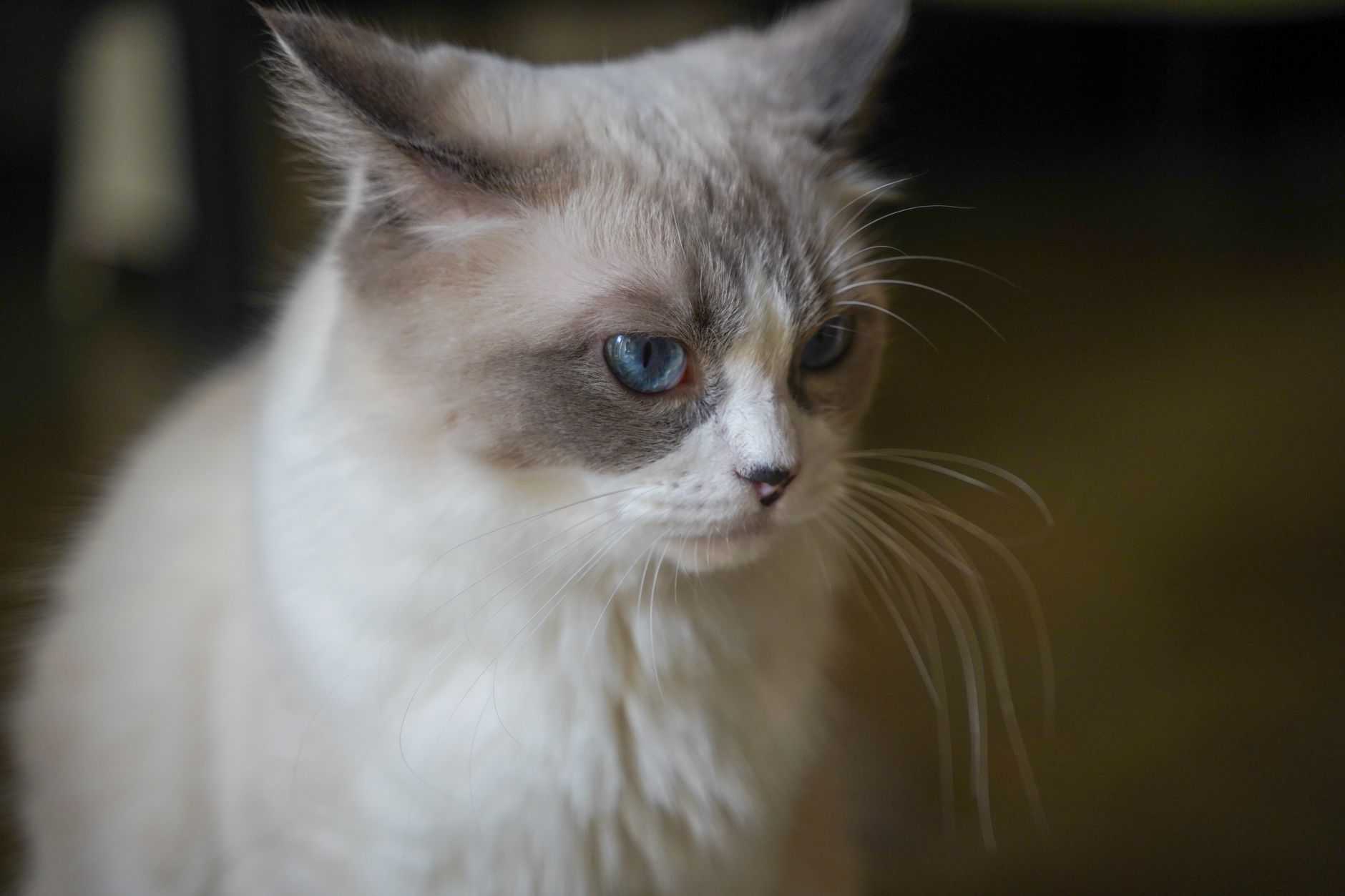
Copper's journey took him from a severe leg injury and amputation to a new home with adopters Ellys and Lauren. However, the documented story does not identify Copper as a Ragdoll—a recognized large, affectionate, semi-longhaired, blue-eyed pointed breed. Friends of Cats published Copper's rescue and adoption story in its Spring 2025 newsletter. The account supports his remarkable recovery, but not the breed label in the title.
Table of Contents
- Why Copper Needed an Amputation
- How Copper Reached His New Family
- Preparing a Home for a Newly Adopted Cat
- What If Other Cats Already Live at Home?
- Can Copper Be Called a Ragdoll?
Why Copper Needed an Amputation
Copper arrived at Friends of cats from another shelter after suffering a severe leg break. The injured leg had healed at a 90-degree angle, making specialist evaluation necessary.
Giving Tuesday donations funded that evaluation and the resulting surgery. The specialist determined that the leg could not be saved, so Copper underwent an amputation.
How Copper Reached His New Family
After recovering, Copper temporarily lived in the shelter's office. Friends of Cats reported that life on three legs did not slow him down.
Copper also appeared on television to promote the shelter's February adoption event. At the Grossmont Center event, Ellys and Lauren chose him and took him home. The shelter says he now snuggles with them and practices "cat yoga.".
Preparing a Home for a Newly Adopted Cat
Copper's story offers limited details about his first days at home. For any new cat, adopters should prepare essential supplies before arrival.
Cornell University College of Veterinary Medicine recommends having these basics ready: Cornell also advises arranging a veterinary examination as soon as possible. For a cat with an amputation history, adopters can bring the shelter's surgical and follow-up records so the veterinarian has an accurate starting point.
- A litter box
- Appropriate food
- Fresh water
- A scratching post
What If Other Cats Already Live at Home?
Cornell advises keeping a newcomer separate from resident cats until the new cat receives a veterinary examination. This precaution matters especially when the newcomer's health history is incomplete or unknown.
Testing for feline leukemia virus and feline immunodeficiency virus may be appropriate. A veterinarian can decide whether those tests are needed after reviewing the cat's records and circumstances.
Can Copper Be Called a Ragdoll?
Copper's appearance, pedigree, and genetic records are not included in the published account. Readers therefore cannot verify that he is a Ragdoll from the available source.
Breed identity also should not stand in for individual health information. UC Davis Veterinary Genetics Laboratory notes that a Ragdoll-associated mutation test for hypertrophic cardiomyopathy exists, while disease risk can also reflect age, sex, weight, and other factors. Anyone needing to verify Copper's breed or genetic status would need supporting records or appropriate testing.