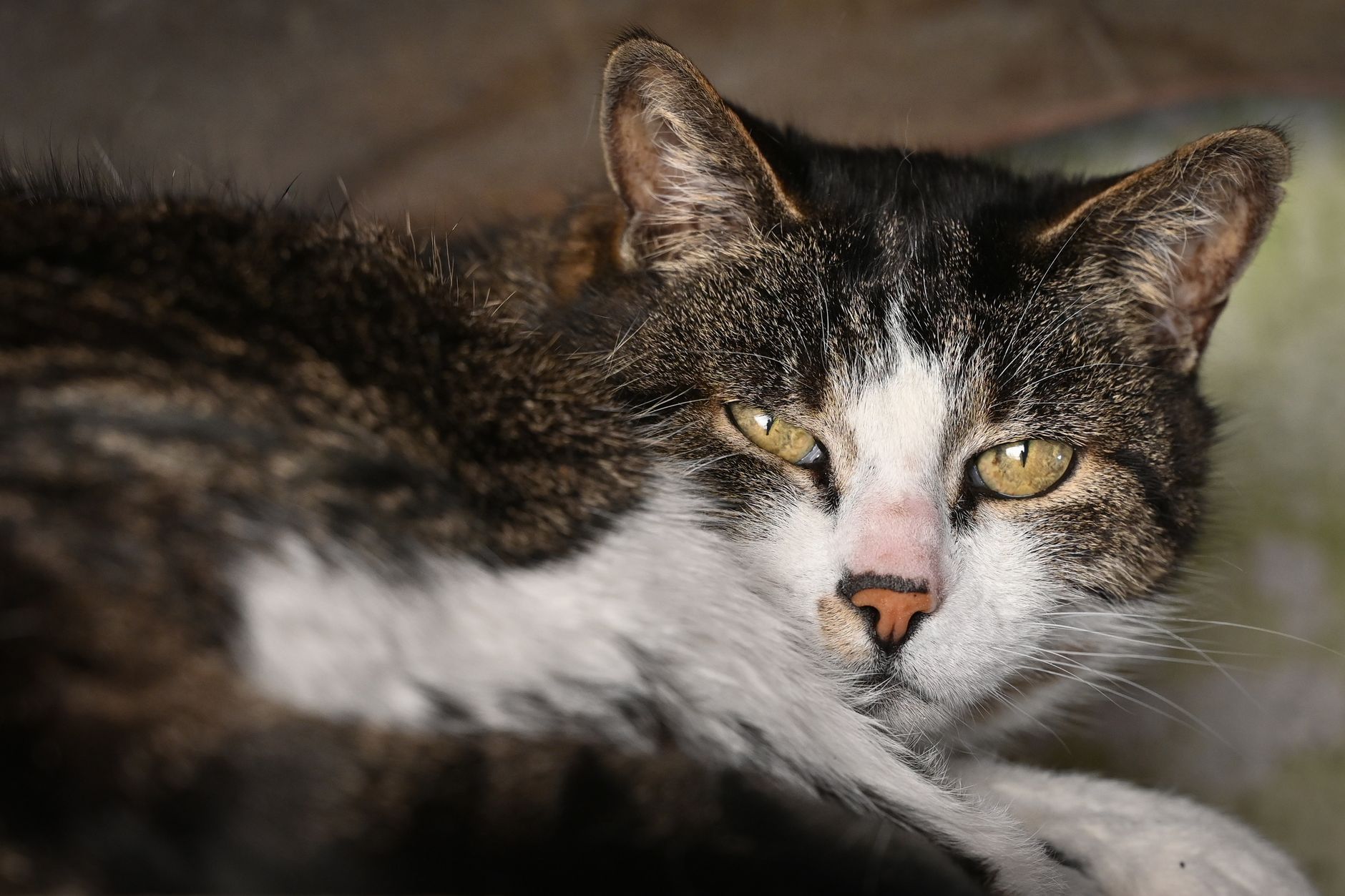
Yellow-eyed cats are felines with amber, golden, or yellow-toned irises, a trait that occurs across dozens of cat breeds rather than being specific to a single breed. Eye color in cats results from melanin concentration in the iris, and cats with lighter melanin produce those distinctive warm, bright yellow or golden tones that many people find striking. A Bengal cat with intense yellow eyes might look entirely different from a Maine Coon with the same eye color, but both possess the same underlying eye pigmentation that creates that warm hue.
The term “yellow-eyed cat breed” doesn’t refer to a single breed but rather to a characteristic found in breeds ranging from domestic shorthairs to pedigree cats like Abyssinians, Egyptian Maus, Bombays, and Turkish Vans. Some breeds show yellow eyes consistently due to selective breeding, while others display this trait as one acceptable variation among several eye colors permitted in their breed standard. This distinction matters because a breeder might specifically select for yellow eyes in one breed while a different breed allows multiple eye colors equally.
Table of Contents
- Which Cat Breeds Commonly Display Yellow Eyes?
- Understanding the Genetics Behind Yellow and Amber Eyes
- How Yellow Eyes Compare to Other Cat Eye Colors
- How Cat Eye Color Develops and Changes Over Time
- Health Conditions That Affect Yellow-Eyed Cats
- Personality and Temperament Associated with Yellow-Eyed Breeds
- Selecting and Caring for a Yellow-Eyed Cat
- Frequently Asked Questions
Which Cat Breeds Commonly Display Yellow Eyes?
Yellow eyes appear across numerous recognized breeds, though some show this trait more predictably than others. Abyssinian cats frequently have yellow or green eyes with a distinctive alert expression, while Bombays are bred to have copper or gold eyes specifically. Egyptian Maus, one of the oldest cat breeds, typically display large amber or yellow eyes that contribute to their characteristic worried expression.
Turkish Vans and Turkish Angoras often have yellow or amber eyes, though the latter breed also accepts other eye colors. Domestic shorthair and longhair cats display yellow eyes probably more frequently than any pedigree breed, since this eye color represents a common middle ground in melanin expression. Bengal cats, particularly those from later generations further from their Asian Leopard Cat ancestry, frequently have yellow or gold eyes. The comparison between breeds reveals that yellow eyes don’t indicate a single genetic lineage—a Maine Coon and a Russian Blue might both have yellow eyes despite coming from entirely different breeding populations with distinct characteristics in body structure, coat texture, and temperament.
Understanding the Genetics Behind Yellow and Amber Eyes
Cat eye color depends on melanin concentration in the iris layers, similar to human eye color variation. Yellow and amber eyes result from moderate melanin presence, whereas blue eyes indicate minimal melanin (and typically appear in kittens before other eye colors develop), and green or gold eyes reflect different melanin distributions. The genes controlling eye color aren’t fully mapped in cats the way they are in humans, but researchers understand that multiple genes contribute to the final eye color.
One important limitation is that predicting a kitten’s adult eye color from its juvenile appearance is unreliable. Many kittens are born with blue eyes regardless of their eventual adult color, and the true eye color doesn’t fully develop until 8 to 12 weeks of age, sometimes later. A breeder cannot reliably guarantee yellow eyes in a litter by selecting two yellow-eyed parents, because the genetic inheritance patterns allow for unexpected variation. Additionally, some eye colors shift subtly over the first year of life, so a kitten’s three-month-old amber eyes might appear more golden by age one.
How Yellow Eyes Compare to Other Cat Eye Colors
Green, amber, and yellow eyes all fall within a spectrum of moderate melanin expression, but they create distinctly different appearances. Yellow eyes tend to be the brightest and most vibrant, while amber eyes may appear slightly warmer or darker, and green eyes have a cooler tone. A cat with true green eyes displays a color that’s distinctly different from yellow, even though both might be caused by similar melanin levels—the difference lies in how light reflects through the iris structure.
Blue eyes in cats are recessive and more common in certain breeds like the Siamese and Tonkinese, and they’re often associated with deafness in white-coated cats, a genetic link that doesn’t apply to yellow-eyed cats. The rarest eye color in cats is odd-eyed (heterochromia), where each eye is a different color—a cat might have one yellow eye and one blue eye, for example. Yellow and amber eyes are neither rare nor particularly common; they represent perhaps the most standard eye color across cat populations globally.
How Cat Eye Color Develops and Changes Over Time
All kittens are born with blue eyes because their irises lack pigmentation at birth, regardless of what their adult eye color will be. Starting at around three weeks of age, melanin begins accumulating in the iris, causing the blue to gradually shift toward the cat’s permanent color. This transition progresses over weeks or sometimes months, and a kitten’s eye color at eight weeks may look different from the color at six months or one year.
The change isn’t always a simple progression toward a single color. Some kittens’ eyes cycle through multiple shades—from blue to light green to amber to yellow as melanin continues depositing. This means when purchasing a kitten, photographs of permanent adult eye color from the parents are more reliable indicators than the kitten’s current juvenile eyes. By one year of age, most cats’ eye colors have stabilized, though very subtle shifts can continue into early adulthood.
Health Conditions That Affect Yellow-Eyed Cats
Cats with yellow or amber eyes don’t face specific health issues related to their eye color alone, but certain breeds that commonly display yellow eyes may carry breed-specific health predispositions. Egyptian Maus, for example, are prone to hypertropia (a tendency for one eye to look upward), and some bloodlines carry cardiac issues, though these relate to breed genetics rather than eye color specifically. Bengal cats can inherit progressive retinal atrophy from their wild ancestry if bred from affected lines, a serious concern regardless of eye color.
One practical warning: yellow eyes don’t provide any special protection or disadvantage in low-light conditions. While cats in general see well in dim light, the color of their iris doesn’t improve or impair this ability. Cats with yellow eyes should be monitored for general eye health concerns including infections and injuries, just like any cat. If a cat’s eye color changes dramatically over weeks or months, or if the eyes become cloudy or discolored, this warrants a veterinary examination rather than being a normal color shift.
Personality and Temperament Associated with Yellow-Eyed Breeds
Eye color itself has no connection to a cat’s personality, but several breeds that commonly have yellow eyes do share recognizable temperament patterns. Abyssinian cats are highly active, curious, and demand significant interactive play—their bright yellow eyes combined with alert ears create an impression of constant engagement that matches their actual energy levels.
Turkish Vans are known for their independence and sometimes surprising affinity for water, traits linked to their breed history rather than their eye color. Bombay cats were selectively bred to resemble miniature panthers, and they combine their striking copper-yellow eyes with affectionate, people-oriented personalities that contradict their wild appearance. This is a useful reminder that selecting a cat based on eye color alone would ignore far more important factors like activity level, social needs, and compatibility with your household.
Selecting and Caring for a Yellow-Eyed Cat
If you’re specifically drawn to cats with yellow eyes, understanding which breeds display this trait consistently will help guide your search. Reputable breeders of Abyssinians, Egyptian Maus, Bombays, and Turkish breeds can discuss eye color development and whether yellow eyes are typical for their lines. Rescue organizations and shelters house many yellow-eyed domestic cats, and adopting one avoids the genetic uncertainty and higher costs of pedigree breeding.
For any cat with yellow eyes, regular veterinary eye exams should be part of routine care, particularly if the cat is an older breed or has a history of eye issues in its bloodline. Keeping the eye area clean and watching for signs of discharge, squinting, or redness ensures early detection of problems. The striking appearance of yellow eyes makes no difference to your cat’s actual care needs—diet, enrichment, preventive medicine, and veterinary attention matter far more than the aesthetic appeal of its iris color.
- —
Frequently Asked Questions
Are yellow eyes more common in certain cat coat colors?
Yellow eyes appear across all coat colors and patterns. Orange tabbies frequently have yellow eyes, but so do black cats, white cats, and spotted breeds. Coat color genetics and eye color genetics are largely independent.
Can a cat’s yellow eyes change to a different color as it ages?
Eye color stabilizes by one year of age in most cats and remains consistent throughout adulthood. Dramatic color changes in an adult cat’s eyes suggest a health issue and should be evaluated by a veterinarian.
Do yellow-eyed cats see better than cats with other eye colors?
No. Vision quality and night-vision ability depend on the cat’s overall eye anatomy and health, not the iris color. Yellow, green, and blue-eyed cats have equivalent visual capabilities.
What’s the difference between yellow, amber, and golden eyes in cats?
These terms describe shades along the same spectrum of moderate melanin concentration. Yellow is typically the brightest shade, amber may appear slightly warmer or deeper, and golden falls somewhere between. The terms are often used interchangeably and don’t represent distinct genetic categories.
Are yellow-eyed cats more prone to eye problems?
No. Eye color doesn’t predispose cats to disease. However, certain breeds that commonly have yellow eyes may carry breed-specific health conditions unrelated to eye color. —