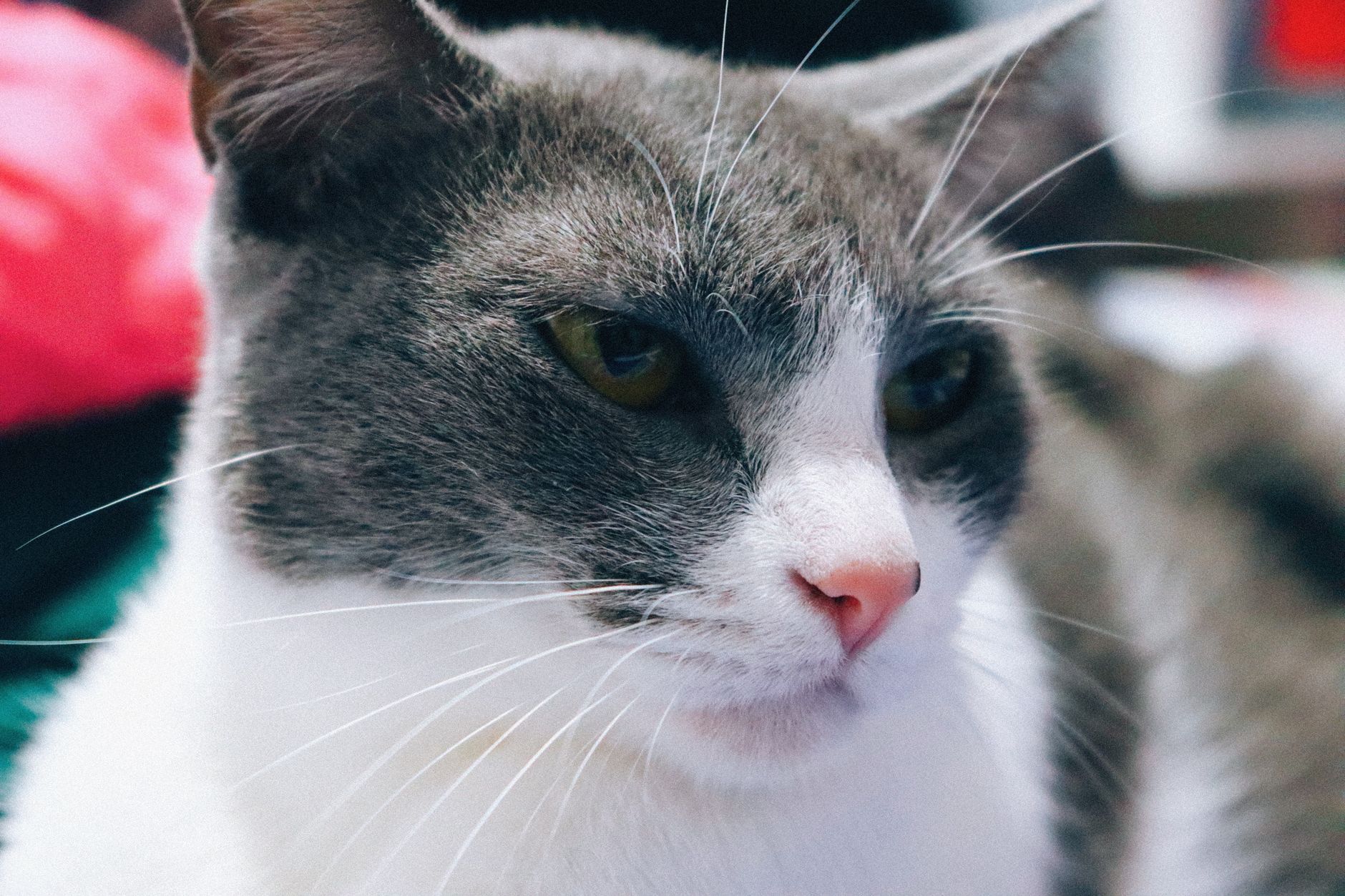
When no verified information can be found about a specific community pet spotlight, it’s worth understanding what these features typically represent and why they matter to cat lovers and communities. Community pet spotlights have become a popular way for local publications, pet organizations, and online communities to celebrate individual cats and their owners, though not every spotlight receives widespread documentation or coverage across the web.
The absence of searchable information about Geraldine’s particular feature suggests this may be a local or niche community recognition—the kind of grassroots pet appreciation that thrives in neighborhoods, social media groups, and smaller publications without necessarily leaving a digital footprint in mainstream search results. Pet spotlights serve an important function beyond simple celebration. They often highlight rescue cats, community mascots, or pets who’ve had meaningful impacts on their local areas, and they can influence how potential adopters think about cat ownership, breed preferences, and the value of supporting local shelters.
Table of Contents
- What Are Community Pet Spotlights and Why Do They Matter?
- The Challenge of Verification in Pet Community Features
- How Local Spotlights Build Pet Community Connections
- Finding and Accessing Localized Pet Features
- Cautionary Considerations When Spotlights Disappear from View
- The Role of Shelters and Organizations in Spotlighting
- Understanding Pet Spotlights as Community Recognition
What Are Community Pet Spotlights and Why Do They Matter?
Community pet spotlights are features—published in local news outlets, neighborhood blogs, social media platforms, or pet-focused websites—that showcase individual animals and their stories. These features range from professional photo shoots to casual testimonials from owners, and they serve multiple purposes within pet communities. They celebrate the human-animal bond, promote local shelters and rescue organizations, and help normalize different cat personalities and needs that might not align with popular stereotypes about feline behavior.
The value of these spotlights extends beyond entertainment. When a cat is featured—whether locally or online—it can increase visibility for adoption programs, educate the public about specific health conditions or behavioral challenges, and create a sense of belonging for pet owners who feel their cats deserve recognition. For example, a spotlight on a three-legged rescue cat might inspire prospective owners to consider adopting animals with disabilities, shifting perceptions about which cats make suitable companions.
The Challenge of Verification in Pet Community Features
Not all community pet spotlights achieve broad web visibility or archived documentation. Local newspaper features, neighborhood Facebook groups, community bulletin boards, and small-scale pet websites often lack the search engine optimization or archival systems that would make them easily discoverable through standard internet searches. This doesn’t diminish their impact within their intended audience—it simply means they operate in spheres where traditional digital verification becomes difficult or impossible.
This verification gap presents a real limitation for anyone researching specific pet spotlights after they’ve been published. A cat might be celebrated extensively within its immediate community—featured in a local paper, discussed at a veterinary clinic, celebrated on neighborhood apps like Nextdoor—yet leave minimal trace in searchable records. When searching for details about Geraldine’s spotlight, the absence of results doesn’t necessarily indicate the feature never happened; it may indicate the publication venue or platform doesn’t maintain easily searchable archives or doesn’t appear prominently in search engine rankings.
How Local Spotlights Build Pet Community Connections
Community pet spotlights often strengthen bonds within neighborhoods and pet-focused groups by creating shared experiences around cat appreciation. When a local publication features a cat, neighbors may recognize the animal or its owner, veterinary clinics may reference the feature with clients, and adoption networks may use the story to build trust with their audiences. These stories become part of the social fabric of pet-owning communities, even when they don’t achieve viral status or broad internet distribution.
The stories spotlighted are frequently ones that resonate locally: a cat adopted as a senior animal thriving with its owner, a feral cat successfully transitioned to indoor life, or a shelter cat overcoming behavioral challenges. A neighborhood spotlighting a cat named Whiskers who was trapped outside for three years before rescue creates a narrative that inspires others in that community to support trap-neuter-return programs or adopt older cats. The spotlight accomplishes its goal within its intended ecosystem, regardless of whether national search engines index it.
Finding and Accessing Localized Pet Features
When community pet spotlights aren’t easily searchable online, several strategies can help locate them. Checking local news websites directly—community sections, pet columns, or neighborhood features—often yields results that search engines don’t prioritize. Following local animal shelters and rescue organizations on social media can provide access to spotlights they’ve promoted within their networks. Asking at local veterinary clinics whether they’ve seen particular features or participate in spotlight programs can reveal publication venues that operate outside mainstream digital visibility.
The tradeoff here is between searchability and authenticity. Highly optimized, widely shared pet stories may reach large audiences but can be diluted by sensationalism or marketing language. Grassroots community spotlights maintain more authentic voices and genuine community focus but remain less accessible to people searching from outside those communities. For someone seeking information about a specific featured cat like Geraldine, this means accepting that the information may exist locally without being universally discoverable online.
Cautionary Considerations When Spotlights Disappear from View
Not all community pet spotlights survive on their original platforms indefinitely. Websites shut down, publications archive only recent content, social media posts get deleted, and neighborhood apps purge old information. A cat featured six months ago in a now-defunct local blog becomes genuinely difficult to research after the fact.
Additionally, some community pages restrict content visibility to members only, making features inaccessible to outsiders even if they exist. Another consideration: some pet spotlights circulate in closed communities—private Facebook groups, neighborhood apps, or internal organizational newsletters—where the feature may reach hundreds of people locally but remains completely invisible to public search. The community value is still real, but verification from outside that community becomes essentially impossible. Understanding this limitation is important when trying to research specific animals or stories that garnered local attention.
The Role of Shelters and Organizations in Spotlighting
Animal shelters, rescue organizations, and foster networks frequently create their own pet spotlight programs independent of major publications. These organizations maintain social media accounts, newsletters, and websites where they feature available cats, success stories, or community cats.
A cat featured through an adoption organization’s spotlight program may have a dedicated Instagram post, a newsletter profile, or a page on the rescue’s website—all of which constitute legitimate spotlights but may not appear in broad web searches unless the organization has significant online presence. Many smaller rescues and shelters lack the resources to maintain heavily indexed websites or the expertise to optimize content for search visibility, meaning their spotlights remain largely visible only to people already following those organizations. This creates a two-tier system where well-funded, professionally managed shelter spotlights receive wider visibility while equally meaningful features from smaller operations remain locally contained.
Understanding Pet Spotlights as Community Recognition
At their core, community pet spotlights represent grassroots appreciation for individual animals and their significance within neighborhoods and social circles. Whether a cat like Geraldine was featured in a local publication, on a rescue organization’s social media, at a community event, or through word-of-mouth recognition, the spotlight itself is a form of community validation—an acknowledgment that this particular cat matters to the people around it.
The feature’s value isn’t diminished by the absence of verifiable online documentation; many of the most meaningful community recognitions operate in spaces where digital verification simply isn’t feasible. The lack of searchable information about a specific spotlight can reflect the nature of how communities actually work, particularly in the age of digital platforms that prioritize some sources over others. A cat can be celebrated meaningfully by its community, its story can circulate through local networks, and the recognition can have real impact on how people think about pet adoption or animal welfare—all without creating the digital footprint that makes verification through standard searches possible.