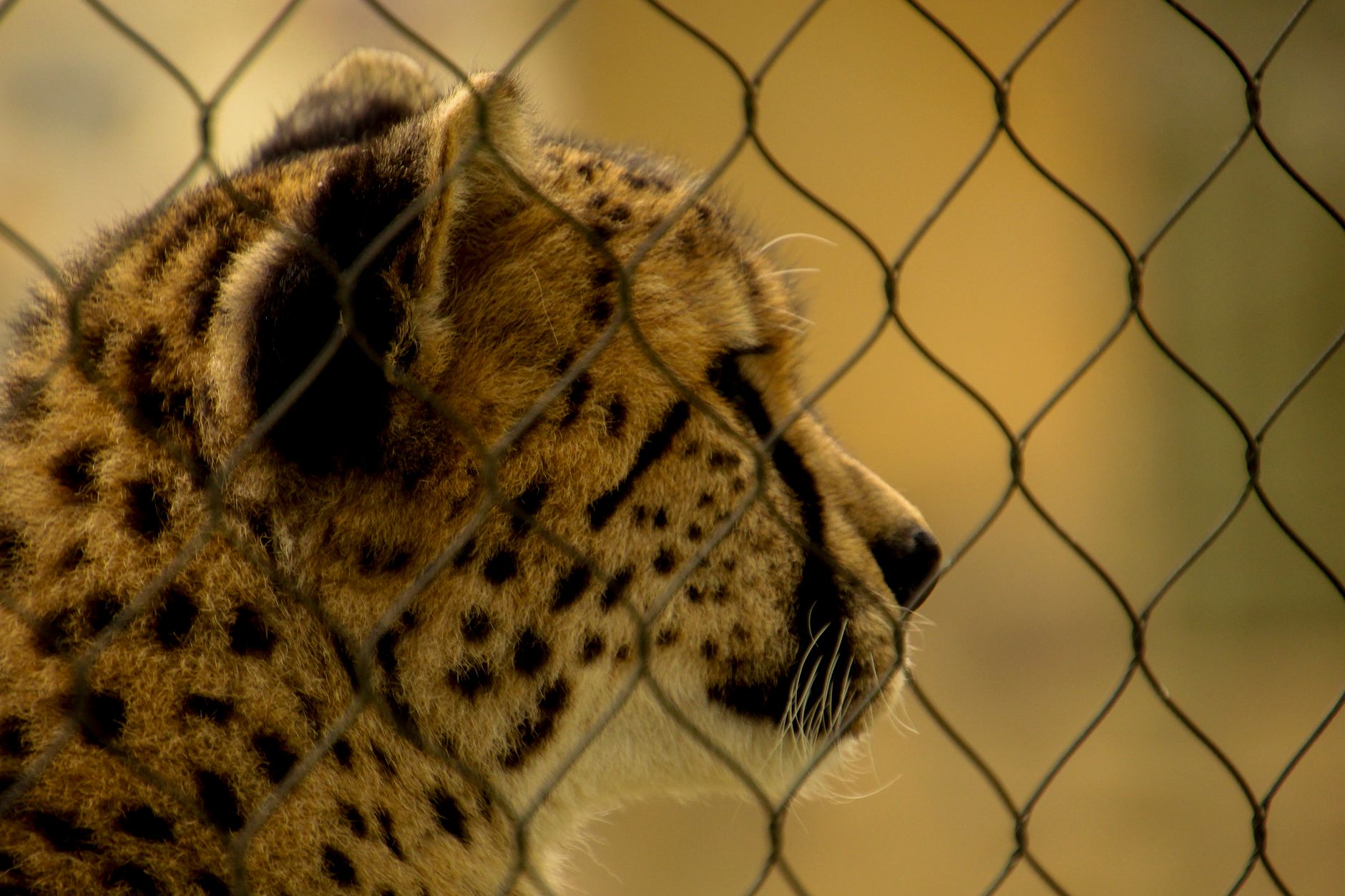
Utah's Hogle Zoo announced that first-time parents Cleo and Asim produced a healthy sand cat kitten on June 2, 2026. Cleo is grooming and supervising the kitten, but the title's "rare" label needs qualification because the species is classed as Least Concern. The kitten remained unnamed in the zoo's July 2 announcement because the care team had not determined its sex. That limits any claim about the kitten's identity or name at that time.
Table of Contents
- What is known about the kitten?
- How is Cleo caring for her kitten?
- What should visitors know?
- Why does this birth matter?
What is known about the kitten?
The kitten was born to Cleo and Asim, both first-time parents. Hogle Zoo described the kitten as healthy in its July 2 birth announcement.
The zoo had not reported whether the kitten was male or female. Readers should therefore treat later claims about its sex or name as updates requiring newer confirmation.
How is Cleo caring for her kitten?
Hogle Zoo reported that Cleo grooms the kitten and closely watches its playtime. The zoo characterized her as an attentive first-time mother.
These observations describe normal care seen by the zoo team, but they do not provide a veterinary record or detailed health assessment. They also should not be treated as care instructions for domestic kittens, whose needs depend on age, health, and home conditions.
What should visitors know?
Visitors may see Cleo and her kitten in the Small animal Building. "May see" does not guarantee that the animals will be visible throughout a visit.
The zoo asks visitors to use quiet whispers around them because newborn kittens and their mothers have highly sensitive ears. Its explanation connects that request to sand cat biology: Keeping voices low is therefore a direct animal-welfare measure, not merely a request for a calmer visitor experience.
- Sand cats have unusually large ear canals.
- Their hearing helps detect faint prey movement underground.
- Hogle Zoo describes their hearing as five times better than a house cat's.
Why does this birth matter?
Cleo arrived at Hogle Zoo in May 2025 under a Sand Cat Species Survival Plan breeding recommendation. These managed programs coordinate which animals should breed or move between participating zoos. The Association of Zoos and Aquariums explains that Species Survival Plans aim to maintain genetically diverse, demographically sound zoo populations.
The birth therefore contributes to managed population planning, but it does not by itself establish recovery among wild sand cats. Hogle Zoo identifies the sand cat's IUCN status as Least Concern while noting threats including habitat degradation, climate change, human activity, and declining prey. "Rare" should not be read as a claim that the species is currently classified as endangered.