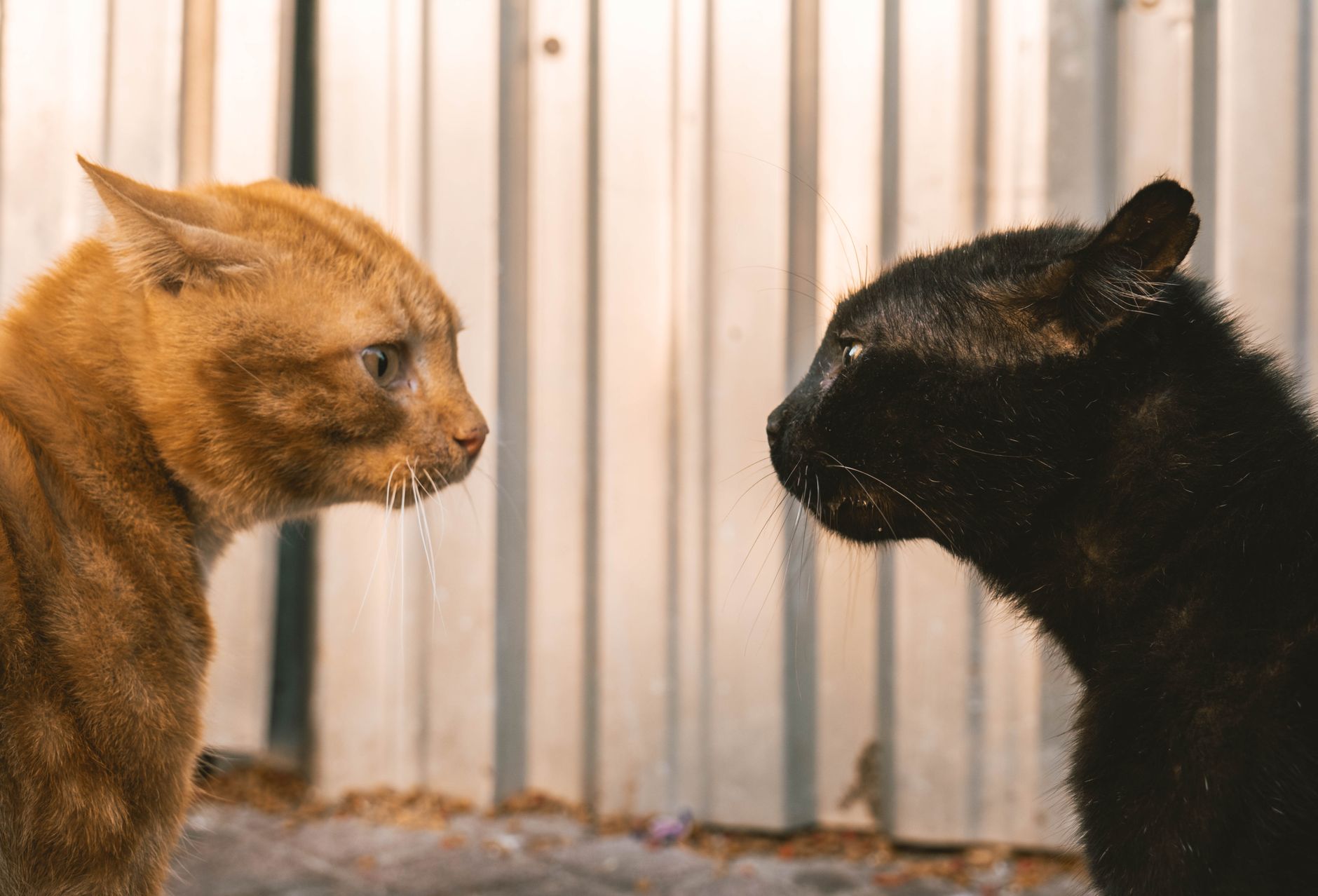
For house-soiling—the main setup-related cat behavior problem—start with veterinary care, accessible litter boxes, thorough cleaning, and lower household stress. Do not punish the cat; identify medical, environmental, and social needs instead. House-soiling means urinating or defecating outside the litter box. It is not spite, and the Feline Veterinary Medical Association guidelines warn that unresolved cases often contribute to relinquishment and shelter euthanasia.
Table of Contents
- Rule Out Medical Causes First
- Build a Litter-Box Setup the Cat Can Use
- Clean Boxes and Accident Sites Correctly
- Reduce Stress and Resource Competition
Rule Out Medical Causes First
Arrange a veterinary examination when a cat newly begins eliminating outside the box. According to the Feline Veterinary Medical Association's client guidance, the assessment should include urinalysis because infections, cystitis, arthritis, kidney disease, diabetes, and other disorders can cause house-soiling. This matters even when the behavior appears linked to a household change.
Pain, limited mobility, or increased urination can make an acceptable box difficult to reach or use. While arranging care, keep every box clean and continuously accessible. Note where accidents occur and whether the cat still uses a box sometimes. These details can help clarify whether access, comfort, or another trigger may also be involved.
Build a Litter-Box Setup the Cat Can Use
Provide one litter box per cat, plus one extra. Place them in separate locations because several boxes grouped together function as one resource and may still allow another cat to block access. Choose quiet, private locations away from food and water. Each site should remain accessible at all times and provide an escape route, so another pet cannot corner the cat near the box.
Match the box to the individual cat. Many commercial boxes are too small; a useful target is about 1.5 times the cat's body length from nose to tail base. Older cats and cats with limited mobility need a low entrance. Many cats prefer unscented, fine-textured litter, although preferences vary. If the cat resists a particular box or litter, offer an alternative rather than assuming every cat will accept the same design.
Clean Boxes and Accident Sites Correctly
Remove feces and urine clumps daily. Replace all litter regularly, then wash the box with a gentle detergent. Strong scents may conflict with a cat's litter preference, so cleanliness does not require perfumed litter. Clean accident sites promptly and thoroughly.
Odor neutralization is important because lingering urine odor may draw the cat back to the same area. Avoid ammonia-based cleaners. The Ohio State University Indoor Pet Initiative explains that their odor may attract further urination. Treat the full affected area rather than masking the smell with fragrance.
Reduce Stress and Resource Competition
Changes such as visitors, new pets, moved furniture, or altered routines can stress susceptible cats. Keep surroundings stable where possible and make sure the cat retains access to familiar, safe places during unavoidable changes. In multi-cat homes, duplicate more than litter boxes. Provide separated feeding, water, resting, scratching, and litter resources, along with elevated perches or refuge spaces.
Cats that are not closely affiliated may avoid competition instead of resolving it, according to Ohio State University's indoor-cat guidance. Do not scold, frighten, or physically punish a cat after an accident. Punishment can increase anxiety and worsen house-soiling. Instead, check the cat's health, restore access to suitable boxes, clean the site, and separate resources that another pet may be guarding.