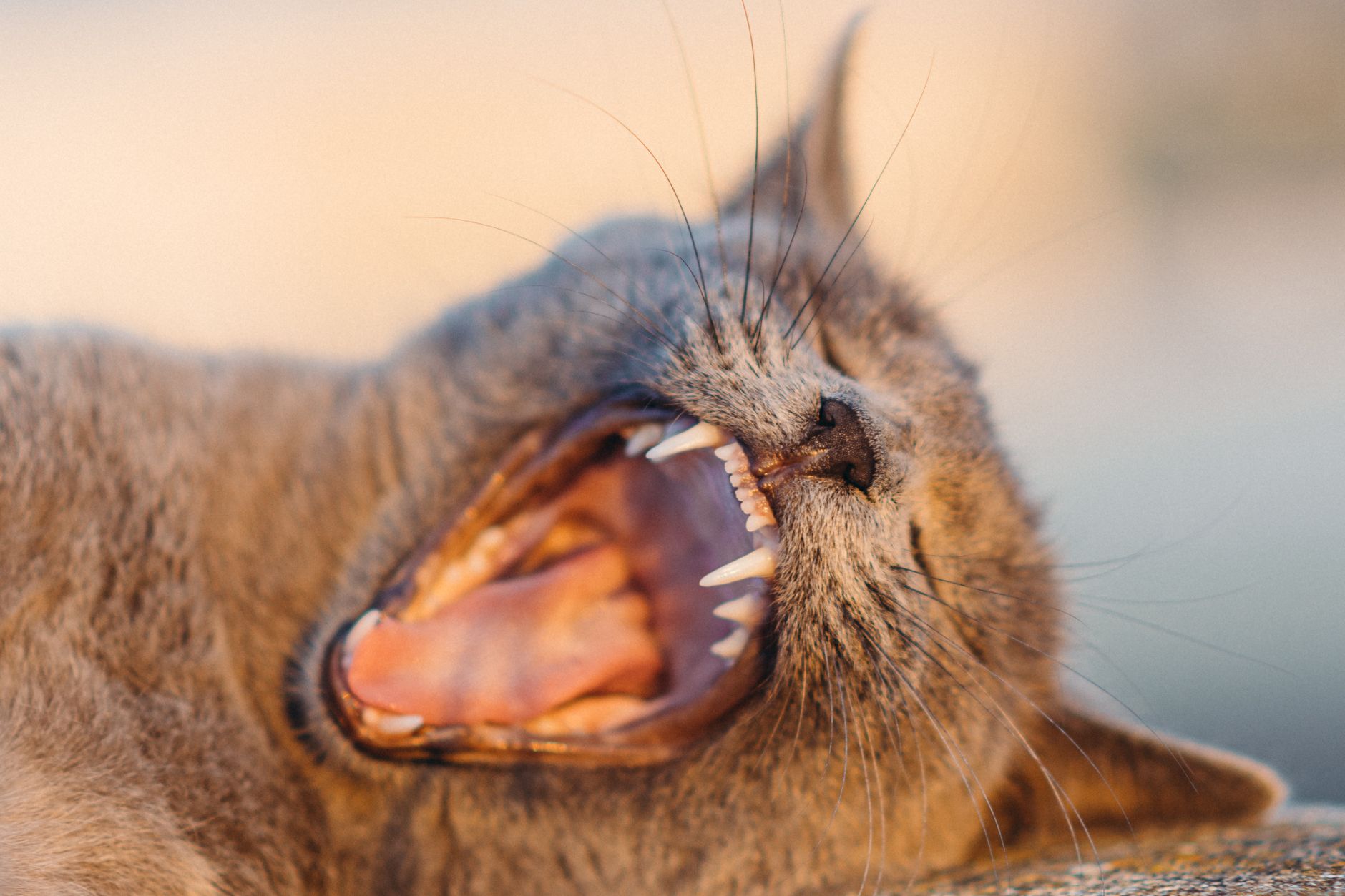
A cat dental health checklist should cover warning signs, safe home-care supplies, and questions for the veterinarian. Watch for bad breath, eating changes, drooling, bleeding, swelling, and unusual behavior; use feline dental products; and ask how examinations, anesthesia, X-rays, and extractions are handled. Dental problems are common and can be painful even when little is visible. Cornell University reports dental disease in 50–90% of cats older than four, and severe pain may cause a cat to stop eating according to its feline dental disease guidance.
Table of Contents
- Which symptoms need veterinary attention?
- What might the warning signs mean?
- Which dental supplies are useful?
- What should you ask the veterinarian?
Which symptoms need veterinary attention?
Arrange an earlier veterinary evaluation if you notice any of these changes: These signs can accompany gingivitis, periodontitis, tooth resorption, or another oral problem. They are reasons for an examination, not reliable ways to identify the exact disease at home.
A cat that still approaches food may nevertheless have mouth pain. Head-turning, dropping pieces, or eating less can matter as much as complete food refusal.
- Persistent bad breath or visible tartar
- Red, swollen, receding, or bleeding gums
- Drooling or oral bleeding
- Head-turning, abnormal chewing, or food-dropping while eating
- Reluctance to eat or reduced appetite
What might the warning signs mean?
Gingivitis, periodontitis, and tooth resorption are common feline dental diseases. Red or bleeding gums may accompany periodontal disease, while gum recession, loose teeth, and tooth loss can indicate more advanced damage. Tooth resorption is the most common cause of tooth loss in cats and is estimated to affect 30–70% of them.
Cornell lists a pink defect at the gumline, eating difficulty, drooling, and irritability as possible signs, although the disease's cause remains unknown in its guidance on tooth resorption. A normal-looking tooth surface does not rule out disease. Much of a dental problem may sit below the gumline, where a home inspection cannot reveal its extent.
Which dental supplies are useful?
Daily brushing is the most effective home measure between professional cleanings, according to Cornell. Keep the basic setup simple: Do not substitute human toothpaste; Cornell identifies it as unsafe for cats.
Gradual introduction and rewards can make brushing easier to accept, but home care does not diagnose or treat hidden disease. For additional products, consult the Veterinary Oral Health Council's February 2026 accepted-products list. It includes specified feline diets, toothbrush-and-toothpaste kits, wipes, water additives, powders, and treats with plaque and/or tartar claims.
- A toothbrush made for cats
- Feline toothpaste
- Small rewards that help build tolerance gradually
What should you ask the veterinarian?
The American Veterinary Medical Association recommends a dental examination at least annually, with earlier assessment when warning signs appear. Ask the veterinarian to explain what is visible, what may be hidden, and whether professional cleaning or further evaluation is appropriate.
A thorough procedure may require anesthesia so the veterinary team can clean below the gumline, probe around teeth, and take dental X-rays. The AVMA, American Animal Hospital Association, and American Veterinary Dental College do not recommend anesthesia-free cleanings. Before scheduling, use these questions adapted from the American Veterinary Dental College's pet dental cleaning guidance: Agree on a clear plan for unexpected disease or necessary extractions before the procedure begins.
- Is pre-anesthetic laboratory testing appropriate for this cat?
- Who will monitor the cat continuously during anesthesia?
- Will the procedure include full-mouth dental radiographs?
- Are local nerve blocks used when needed?
- What happens if hidden disease is found?