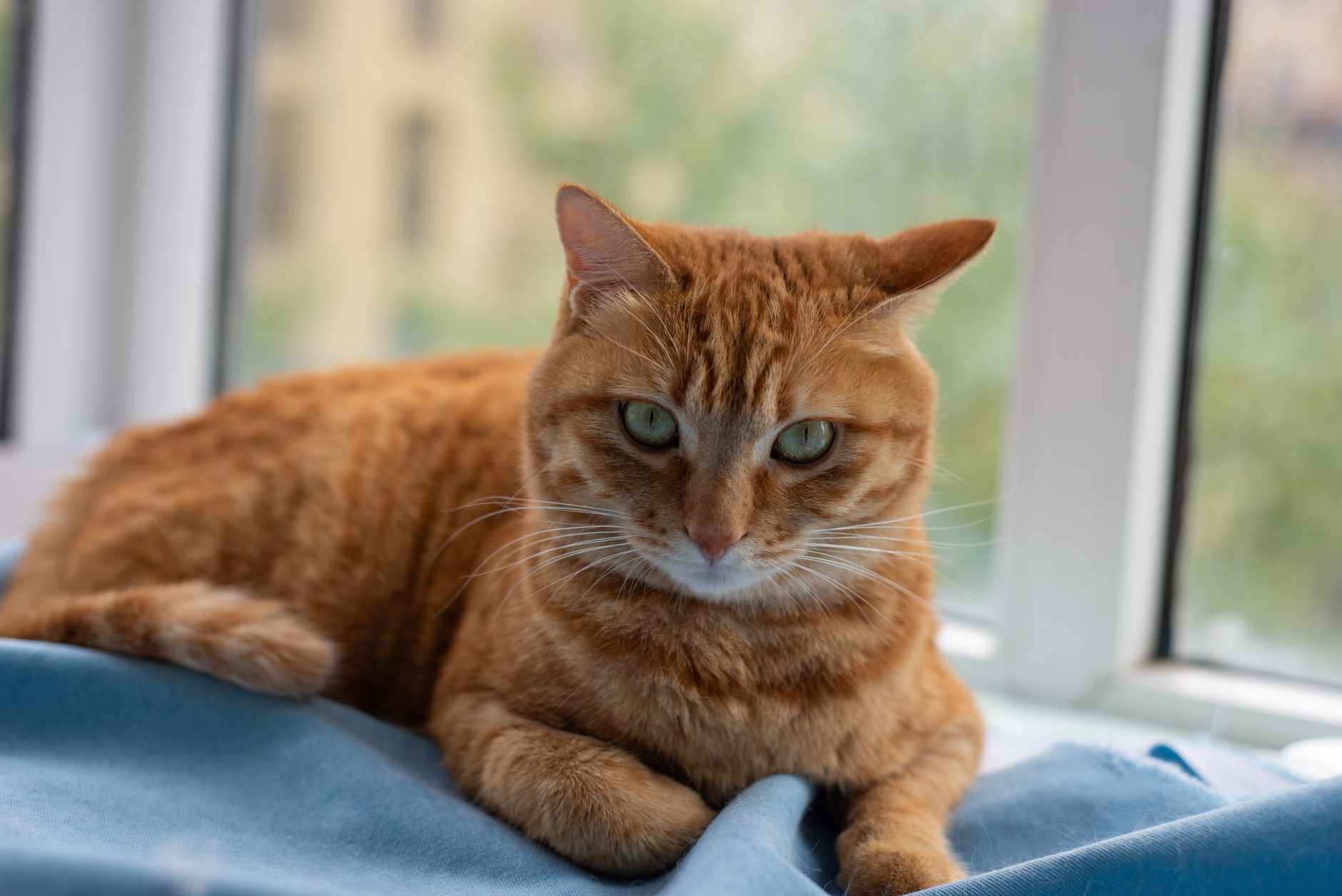
Cat arthritis injections fall into four main categories: Solensia (the only FDA-approved option), off-label Adequan and Cartrophen, and steroid injections—each differing significantly in effectiveness, cost, and safety profile. Solensia leads in pain relief and safety but costs $75–$175 monthly; Adequan is cheaper but less effective in cats; steroids work briefly but risk joint damage. The choice depends on your cat's kidney function, how quickly you need relief, and your budget. This guide compares the real outcomes and limitations of each option to help you decide.
Table of Contents
- What Arthritis Injection Options Are Available for Cats?
- Which Injection Works Best for Cat Arthritis?
- What Are the Risks and Side Effects of These Injections?
- How Much Do Cat Arthritis Injections Cost?
- Should I Choose Solensia If My Cat Has Kidney Disease?
- Frequently Asked Questions
What Arthritis Injection Options Are Available for Cats?
Solensia (frunevetmab) is the only FDA-approved injection for feline osteoarthritis pain, targeting nerve growth factor (NGF) to block pain signals without affecting kidneys, liver, or GI tract like traditional NSAIDs do (GoodRx). It is the newest option, approved for cats specifically. Adequan (polysulfated glycosaminoglycan) and Cartrophen (pentosan polysulfate) are used off-label in cats as disease-modifying osteoarthritis drugs that stimulate cartilage production and inhibit inflammatory chemicals—meaning they aim to slow joint damage, not just mask pain (VCA Animal Hospitals).
Steroid injections (cortisone, methylprednisolone) are the oldest approach. They provide 4–12 weeks of relief but carry the risk of cartilage deterioration and weakened tendons over repeated use, and cats tolerate these side effects worse than other species (Catster). No veterinary NSAIDs are approved for safe, long-term arthritis pain control in cats because cats are exceptionally sensitive to NSAID side effects, which is why injectable therapies are critical alternatives (VCA Animal Hospitals).
Which Injection Works Best for Cat Arthritis?
Solensia is the clear winner in effectiveness: 77% of cat owners reported visible pain improvements, while Adequan efficacy is significantly lower in cats compared to dogs (PetShun). This gap is why veterinarians increasingly recommend Solensia as the first-line injection. Adequan requires twice-weekly subcutaneous injections for 4 weeks, then monthly maintenance, giving it the advantage of being administrable at home after training.
However, the lower efficacy in cats and longer protocol make it a second choice unless cost is the limiting factor. Steroid injections work quickly but last only weeks, not months, and require repeated dosing to maintain relief—which increases the risk of cumulative joint damage. They are now typically reserved for cats that cannot tolerate or afford Solensia.
What Are the Risks and Side Effects of These Injections?
Solensia has the safety advantage: the most common adverse effects occur in 4% or fewer of cats and include vomiting, diarrhea, and appetite loss, with no cartilage or joint deterioration reported (Cats.com). This profile makes it safer long-term than steroid injections for most cats. Steroid injections carry greater risks. Beyond joint damage, they suppress immune function, worsen diabetes, and increase infection risk—concerns that matter in cats because cats cannot tolerate the side effects as well as other species (VCA Animal Hospitals).
The major caveat: in cats with advanced chronic kidney disease, Solensia safety remains incompletely studied. A clinical pilot found elevations in kidney lab values in some cats with preexisting stage II kidney disease, and one progressed to stage III (Felix Cat Insurance). This warrants cautious use or closer monitoring in this population. Adequan carries minimal systemic risk, though allergic reactions are rare and possible.
How Much Do Cat Arthritis Injections Cost?
Solensia costs $75–$175 per month ($900–$2,100 annually), varying by cat weight and location, with prices including the medication, injection administration fees, and veterinary exam costs (Patify App, 2026). Monthly veterinary clinic visits are required for administration. Adequan is typically cheaper upfront—roughly $30–$50 per injection—but requires twice-weekly visits or home administration training for 4 weeks, then monthly injections, adding labor and time costs.
The total annual expense often approaches Solensia's price when veterinary visit costs are included. Steroid injections are the least expensive ($20–$50 per injection) but require more frequent dosing to maintain pain relief, and the risk of long-term complications can lead to additional veterinary costs over time. Few pet insurance plans cover these injections yet, though Solensia coverage is expanding. Check your plan's specific exclusions for arthritis or "biologics.".
Should I Choose Solensia If My Cat Has Kidney Disease?
In cats with advanced chronic kidney disease, Solensia safety remains incompletely studied. A clinical pilot found elevations in kidney lab values in some cats with preexisting stage II kidney disease, and one progressed to stage III (Felix Cat Insurance). If your cat has stage II or higher kidney disease, discuss Solensia with your veterinarian before starting.
They may recommend baseline kidney bloodwork, repeat testing after the first injection, and closer monitoring. Adequan or Cartrophen may be safer choices in this group, though their efficacy is lower. Cats with normal kidney function or very early stage I disease can generally use Solensia without additional precautions beyond standard pre-injection bloodwork.
Frequently Asked Questions
Can I give Solensia at home?
No. Solensia requires monthly veterinary clinic visits for injection. Adequan can be given at home after your vet trains you.
Do I need bloodwork before starting an injection?
Yes. Your vet should run baseline bloodwork before any arthritis injection to check kidney and liver function, especially if your cat is older or has existing health conditions.
Will one of these injections cure my cat's arthritis?
No. These injections manage pain and slow joint damage, but they do not reverse existing osteoarthritis. Treatment is ongoing.
Can I combine injections—for example, Solensia and Adequan together?
This is not standard practice. Discuss any combination therapy with your vet, as safety data in cats is limited.