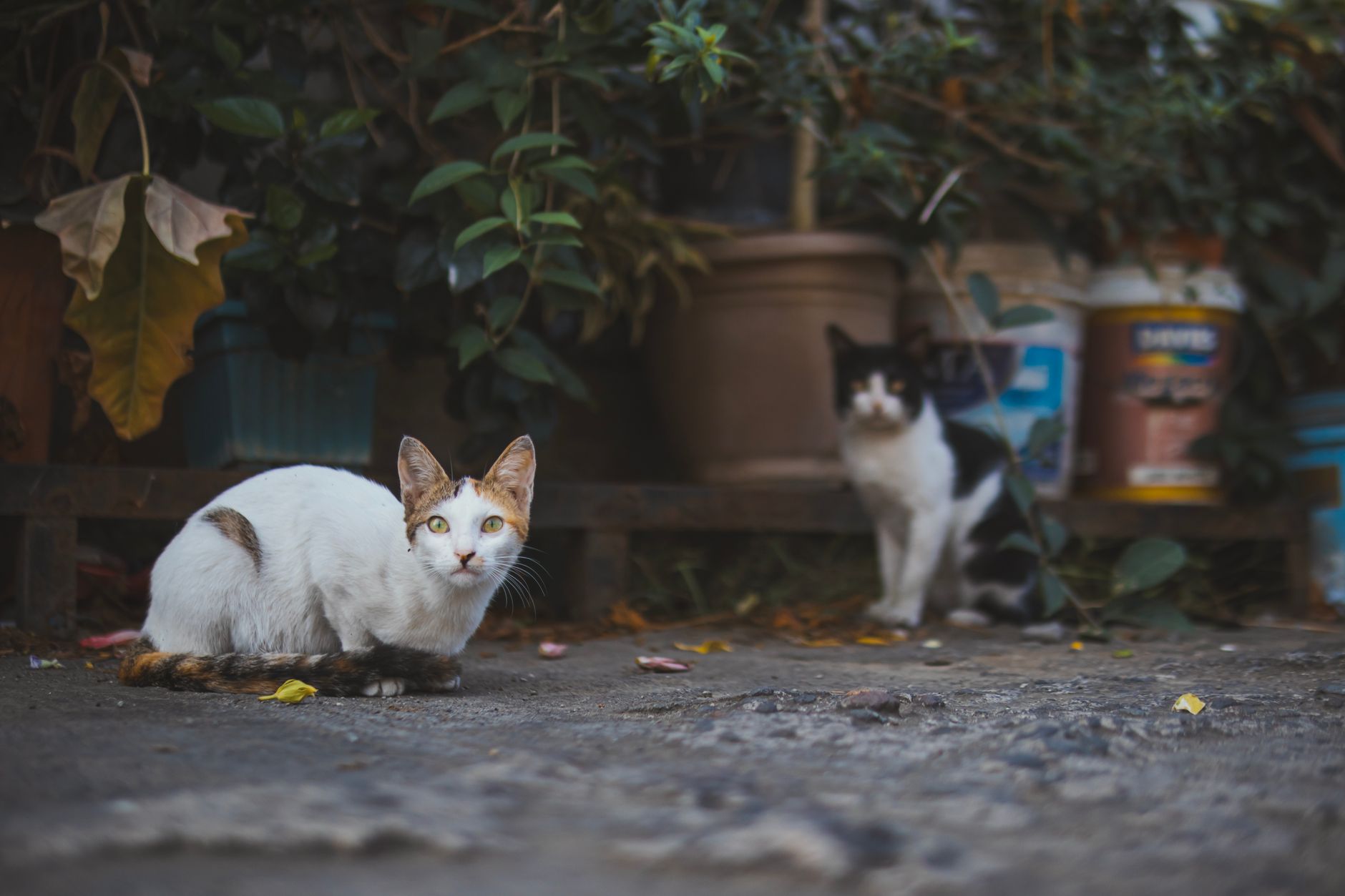
There was no single official "Cat Environment August 2026 Update." Instead, August brought stronger evidence about feral-cat prey and a proposed Hawaiʻi rule on feeding or abandoning animals on department lands. Here, "cat environment" covers how owned, stray, and feral cats interact with wildlife and managed land. The developments matter, but neither establishes a new universal rule for cat owners.
Table of Contents
- What changed in feral-cat research?
- Why does better prey detection matter?
- What are the study's limits?
- What happened in Hawaiʻi?
- What should readers watch next?
What changed in feral-cat research?
UNSW Sydney researchers used DNA metabarcoding to study feral-cat stomach contents from new South Wales. This laboratory method identifies species from mixed traces of DNA within a sample. The technique detected twice as many mammal species and three times as many bird species as manual inspection.
According to UNSW Sydney's August report, conventional surveys may therefore miss much of the diversity in feral-cat diets. This does not mean each cat killed twice as many mammals or three times as many birds. The result concerns the number of prey species detected, not a direct increase in prey counts.
Why does better prey detection matter?
Incomplete diet surveys can hide rare or unexpected prey species. That makes it harder for wildlife managers to identify where cat control could protect the most vulnerable animals. The wider stakes are substantial.
UNSW reports that feral, stray, and domestic cats occupy almost the entire Australian continent and kill more than 1.5 billion native animals annually. At least 200 species at risk of extinction are directly threatened by feral cats. DNA testing may help managers direct limited resources during rewilding projects, especially when animals are released beyond fenced reserves. Manual inspection can still contribute visible evidence, while DNA analysis can reveal remains that are difficult to recognize.
What are the study's limits?
The research examined feral cats culled around the Wild Deserts fenced reserve in New South Wales. It did not sample cats across Australia or directly measure nationwide predation. It also does not establish the wildlife impact of an individual indoor pet.
Readers should not apply findings from culled feral cats in one conservation setting to every owned cat. The strongest conclusion is narrower: manual stomach inspection can undercount prey diversity in this study setting. Further use of combined survey methods would show whether the pattern holds across other habitats and cat populations.
What happened in Hawaiʻi?
Hawaiʻi's Department of Land and Natural Resources proposed rules prohibiting people from feeding or abandoning domestic animals on department lands. The agency linked the proposal to protecting indigenous, threatened, and endangered wildlife in its August 4 announcement. The proposal was not an enacted rule during August.
DLNR held a hearing on August 13 and accepted written testimony through August 26, so readers should not describe the measure as settled law. Broader controls also remained unresolved. A separate bill proposing a spay-and-neuter fund, sterilization for cats older than five months, and limits on importing unsterilized cats was deferred in committee, according to the Hawaiʻi Invasive Species Council's 2026 session status.
What should readers watch next?
For Hawaiʻi, the immediate question is whether the department adopts, revises, or leaves the proposed rules pending. Cat caregivers should distinguish department lands from other property and verify the final rule before assuming what is prohibited.
For wildlife research, watch whether managers add DNA metabarcoding to routine manual surveys. UNSW says the combined approach could identify rare prey and better target cat-control resources, particularly during rewilding beyond fenced reserves.