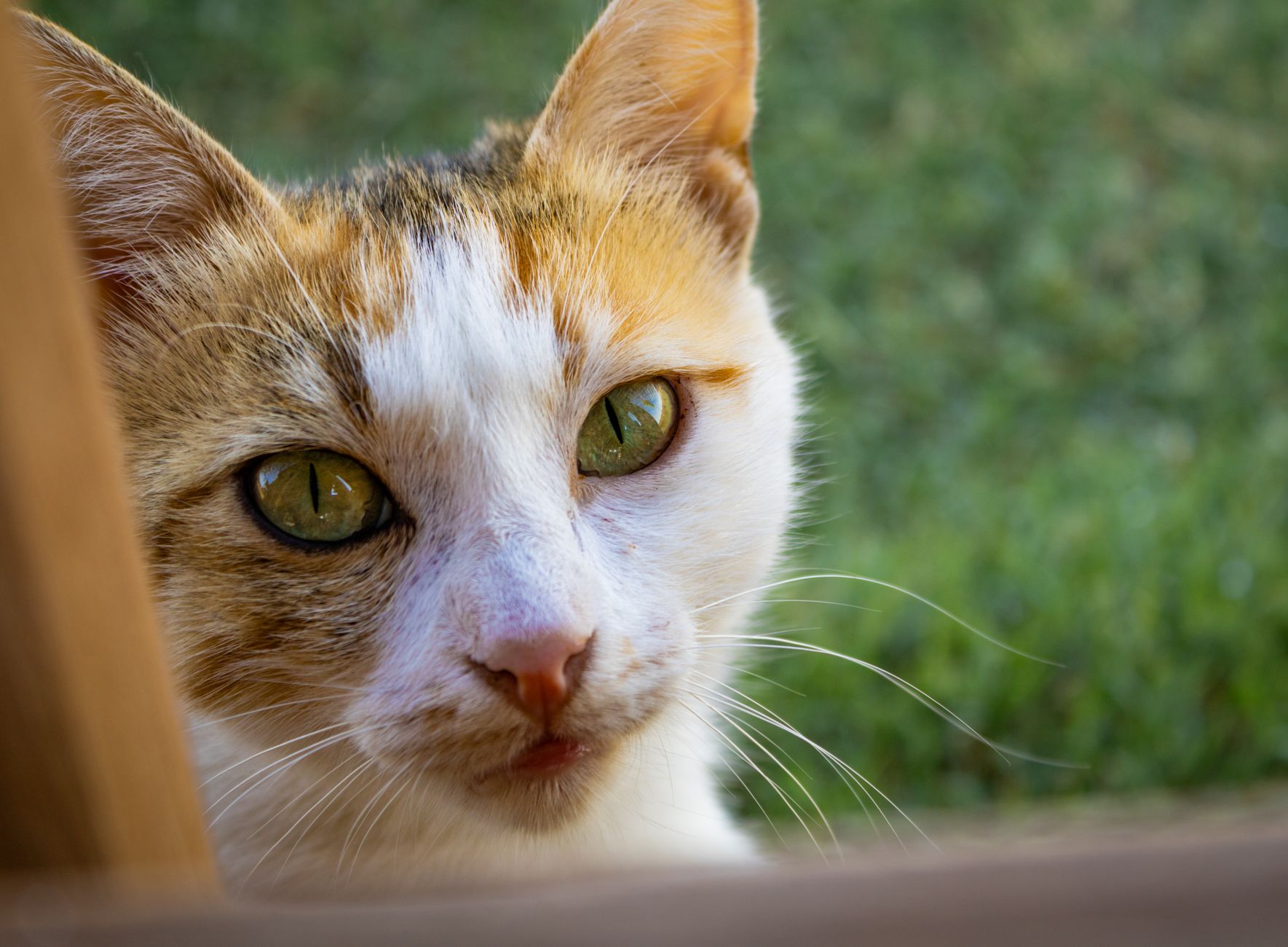
No authoritative September 2026 event or veterinary category called "Cat Strays" has been identified. The main verified development is a rise in feline panleukopenia among free-roaming and shelter cats in South Florida. Feline panleukopenia is a highly contagious, potentially fatal disease. The immediate takeaways are to recognize warning signs, separate unfamiliar cats from resident pets, and arrange veterinary care promptly.
Table of Contents
- What is happening in South Florida?
- Which cats face the greatest danger?
- How can owners protect resident cats?
- What should you do when you find a cat outdoors?
- What help is available for Miami-Dade community cats?
What is happening in South Florida?
Miami-Dade Animal Services reported 215 panleukopenia-positive cats in its care during 2026. Broward County reported 95 confirmed cases, according to AOL's September 3 report. These figures are agency-care counts.
They do not show how common the disease is among every owned, stray, or community cat in either county. The distinction matters when assessing risk. The documented development is a serious local increase affecting vulnerable cats, not evidence of a nationwide outbreak.
Which cats face the greatest danger?
Unvaccinated feral colonies, shelter populations, young kittens, and cats already in poor health face heightened risk. Kittens under five months have the greatest risk of death, according to the American Veterinary Medical Association's panleukopenia guidance.
Warning signs include: A stray or newly rescued cat showing these signs needs prompt veterinary assessment. Keep the cat away from other cats while arranging care.
- Fever
- Severe tiredness or weakness
- Loss of appetite
- Vomiting
- Diarrhea
How can owners protect resident cats?
The disease can spread through an infected cat's feces and body fluids. Contaminated carriers, bowls, surfaces, hands, and clothing can also move infectious material between cats. Keep any newcomer in a separate space.
Avoid sharing litter boxes, food bowls, bedding, or handling equipment, and sanitize after contact with unfamiliar cats. Vaccination is the central preventive measure. AVMA guidance advises beginning kitten vaccination at 6–8 weeks, then repeating it every 3–4 weeks through 16–20 weeks. An unvaccinated cat older than 16 weeks generally needs one or two doses under veterinary guidance.
What should you do when you find a cat outdoors?
Do not assume every outdoor cat is homeless. Cats may roam from nearby homes, so check with local residents and arrange a veterinary microchip scan when possible, as recommended by the RSPCA's stray-cat guidance.
If an approachable cat appears sick or injured: Do not place an unfamiliar cat directly into a shared cat room, even when it looks healthy. Separation gives a veterinarian time to assess its condition and reduces exposure to resident pets.
- Keep it apart from your cats.
- Use a secure carrier for transport.
- Avoid unnecessary handling.
- Take it to a veterinarian promptly.
- Wash your hands and clean contaminated items afterward.
What help is available for Miami-Dade community cats?
Miami-Dade currently offers free Trap-Neuter-Vaccinate-Return services for free-roaming community cats. The program includes sterilization, rabies and FVRCP vaccination, deworming, and ear-tipping, according to Miami-Dade County Animal Services.
This is a local program, not evidence of nationwide availability. Miami-Dade residents managing community cats can use it to combine population control with vaccination against panleukopenia and other diseases covered by FVRCP.