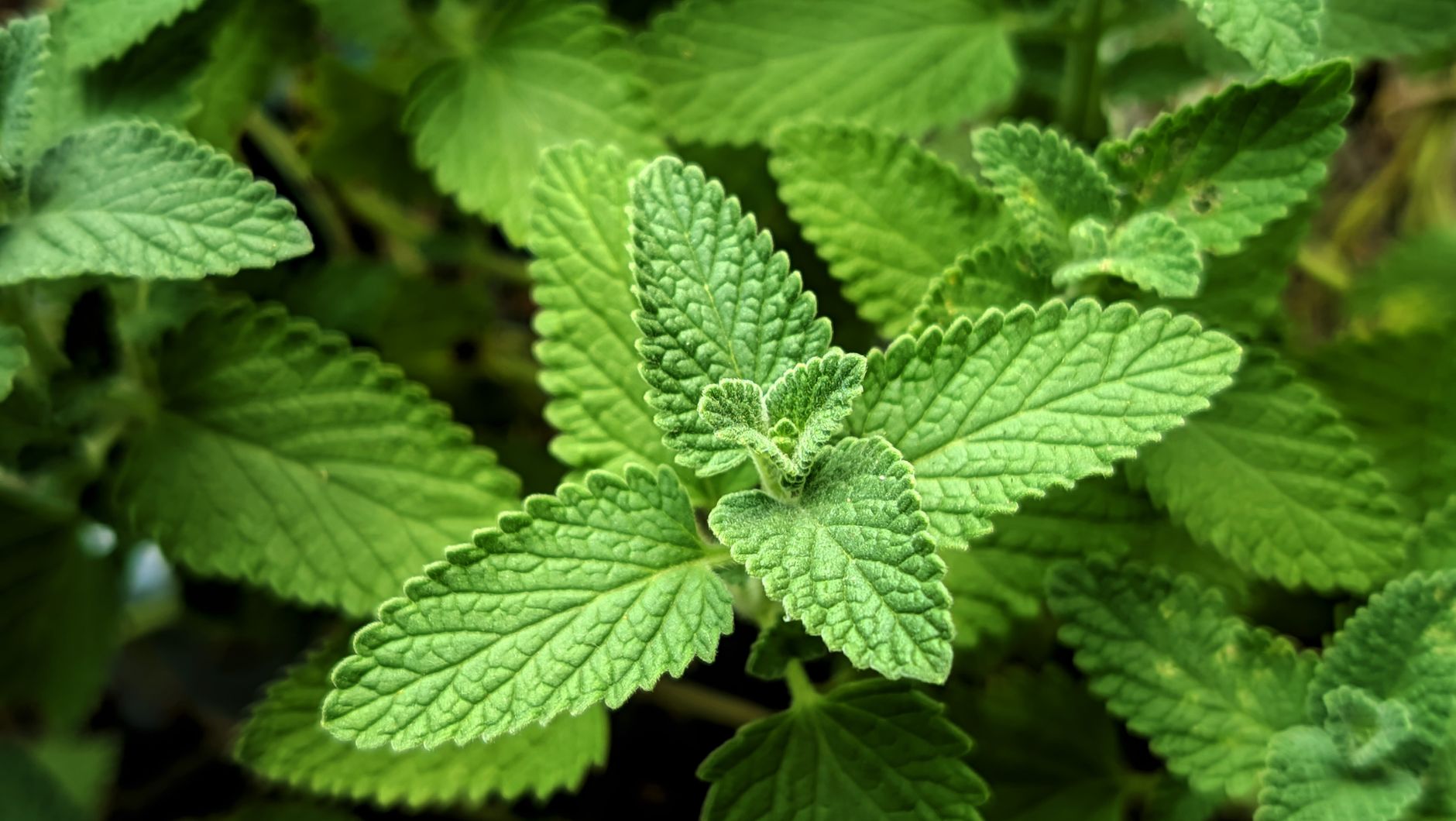
There is no verified, distinct "Cat Catnip September 2026 Update." The meaningful changes are new 2026 findings about catnip during veterinary exams, cats' preference for silver vine, and catnip oil as a mosquito repellent. Catnip is a plant whose nepetalactone can trigger rolling, rubbing, licking, or playful behavior in susceptible cats. The latest evidence refines where catnip may help—and where expectations should remain modest.
Table of Contents
- Catnip did not alter veterinary examinations
- Silver vine outperformed catnip in preference tests
- Which cats are likely to respond?
- What should cat owners do differently?
- Catnip oil and mosquito protection require caution
Catnip did not alter veterinary examinations
A randomized, blinded study examined eight healthy cats with and without catnip exposure. Catnip caused no significant change in the clinical or behavioral measures recorded during their hospital examinations. That matters because veterinarians need an accurate view of a cat's condition and behavior.
In this small trial, catnip did not mask health findings, according to the 2026 Journal of Applied Animal Welfare Science study indexed by the National Library of Medicine. The result does not prove that catnip never reduces stress or encourages play. The study involved only eight healthy cats in one clinical setting, not anxious cats at home or animals facing every type of veterinary procedure.
Silver vine outperformed catnip in preference tests
Silver vine, another plant that can provoke rubbing and rolling, attracted more cats in a 2026 free-choice study. Five of six identifiable free-roaming cats responded to silver vine. None responded to nearby live or freshly cut catnip across ten presentation nights. The captive-cat results followed the same pattern.
Fifteen of 22 cats responded only to silver-vine extract, while three responded only to catnip. This happened even though the tested catnip contained about 170 times more total bioactive iridoids, the scent compounds associated with these reactions, as reported in the Journal of Chemical Ecology study. More active compound did not guarantee greater appeal. A cat's individual preference may matter more than a product's concentration or strong smell.
Which cats are likely to respond?
Catnip remains useful enrichment for many pet cats. Crushing or chewing the plant releases nepetalactone, which helps explain why a cat may ignore an untouched toy but react after biting or batting it. Purina Canada reports that roughly 30% of domestic cats do not react to catnip.
Kittens also commonly begin responding between three and six months of age. A lack of interest therefore does not automatically mean that the catnip is defective. Before replacing a product, consider the cat's age and whether the plant material has been disturbed enough to release its active scent.
What should cat owners do differently?
Treat catnip as an optional enrichment tool, not something every cat should enjoy. The 2026 evidence supports testing preferences instead of assuming that a stronger catnip product will produce a stronger response.
A practical approach is to: The hospital study does not justify using catnip to manage a health problem or guarantee a calmer examination. Owners should describe any observed behavior to their veterinarian rather than assuming catnip caused or prevented a clinical sign.
- Offer a small amount of catnip without forcing contact.
- Crush the dried material or let the cat engage with it naturally.
- Note whether the cat rolls, rubs, licks, plays, or simply walks away.
- Try silver vine separately if catnip produces no reaction.
- Keep enrichment expectations separate from veterinary care decisions.
Catnip oil and mosquito protection require caution
A separate 2026 development concerns people rather than feline enrichment. Field trials in eastern Uganda found that lotion containing 6% catnip oil provided median mosquito repellence equal to 15% DEET in several tests. A 2% catnip formulation was significantly less effective than DEET in some comparisons, according to the Scientific Reports study.
These findings make commercial development worth watching, but they do not validate homemade sprays or lotions. Formulation strength, testing conditions, product registration, and consistent performance all affect whether a repellent offers dependable protection. The CDC says the effectiveness of non-EPA-registered natural repellents is unknown and recommends choosing an EPA-registered insect repellent. Until tested catnip-oil products meet that standard, use an EPA-registered option rather than a homemade mixture.