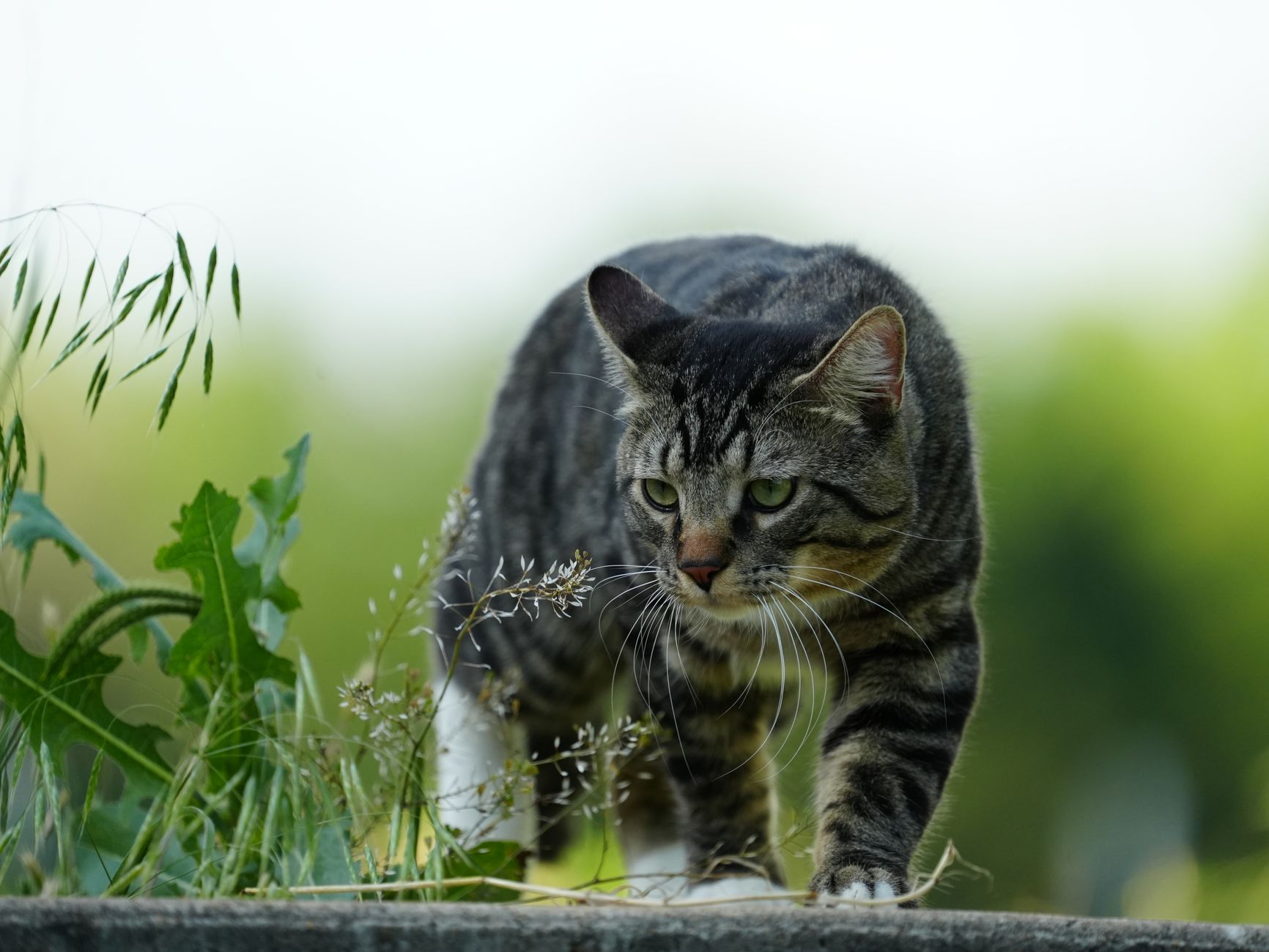
Cat hunting in New Zealand has become a contested practice in 2026, driven by government efforts to control invasive feral cats that kill endangered native wildlife. However, the methods used—including cash-prize hunting competitions that killed over 400 cats in July 2026—cannot reliably distinguish feral cats from companion pets before firing, creating a direct risk to microchipped and lost cats in rural areas. The issue affects three groups: native wildlife populations facing predation from feral cats, companion cats and strays at risk of being shot in hunting zones, and pet owners in New Zealand who may lose their cats to culling operations. Understanding the policy gap and taking protective steps is now essential for cat owners in rural or hunting regions.
Table of Contents
- Why Feral Cats Became a Government Priority
- The Critical Flaw in Identifying Targets
- Who Is Actually at Risk
- The Policy Gap in 2026
- What Cat Owners in Rural Areas Can Do
- What Companion Animal Advocates Are Asking For
Why Feral Cats Became a Government Priority
new Zealand's Department of Conservation added feral cats to its Predator Free 2050 invasive species list in late 2025, supported by over 90% of public submissions. The rationale is documented: feral cats kill endangered native birds, bats, lizards, and insects at a scale that threatens species survival. On Auckland Island alone, feral cats have contributed to the extinction of 29 native bird species, and one documented case showed a single feral cat killing 102 endangered short-tailed bats in one week.
This wildlife loss is real and the government's response reflects a legitimate conservation need. Feral cats—defined as free-roaming, unsupervised cats without human ownership—do predate extensively on native species. The problem is not whether feral cat management is needed, but how it is being done and whether safeguards protect companion animals.
The Critical Flaw in Identifying Targets
The hunting method creates a fundamental safety problem. According to DOC's official feral cat identification guidance, hunters are told to look for traits such as coat color, lack of a collar, and defensive behavior in a cage—characteristics that apply equally to stray or lost companion cats. Microchip verification, which would definitively identify a cat's owner, only happens *after* the cat is shot and frozen.
This violates the Firearms Safety Code's requirement to "identify your target beyond all doubt" before firing. A companion animal charity report highlighted this gap: hunters cannot distinguish between a feral and a lost or roaming pet at the moment of decision. A cat that has strayed from its home, a stray being sheltered informally by a neighbor, or a pet let outdoors in a rural area is indistinguishable from a feral cat until after it is dead.
Who Is Actually at Risk
Pet owners in rural and hunting zones face direct risk. While New Zealand law requires all companion cats over four months old to be microchipped, desexed, and registered by January 1, 2025, microchip coverage remains incomplete. Additionally, even microchipped outdoor cats roaming in rural areas cannot be identified before culling occurs.
Native wildlife, particularly critically endangered species like Māui dolphins, are also affected—feral cats transmit the Toxoplasma gondii parasite through waterways, creating disease pathways into marine ecosystems. Unintentionally, strays and lost cats form a third at-risk group. These animals occupy the same behavioral and physical space as feral cats and face the same shooting risk.
The Policy Gap in 2026
No formal ban on cash-prize hunting competitions for cats has been enacted as of September 2026, despite calls from the New Zealand Cat Foundation asking government agencies to prohibit such competitions and prevent companion cats from being killed under feral cat guidance. The competitions exist in a policy space where feral cat culling is officially encouraged, but companion cat protection mechanisms (microchip checking before shooting) are not enforced.
This creates a situation where wildlife management and pet safety operate under conflicting rules. Hunters follow DOC guidance, which permits shooting based on appearance alone; pet owners follow MPI registration rules, which assume microchip verification will protect them. The gap between these two systems has already resulted in companion cats being killed.
What Cat Owners in Rural Areas Can Do
If you live in a rural or hunting zone in New Zealand:.
- **Microchip and register your cat** on the Companion Animal Register well in advance, even if your cat is indoor-only or rarely outdoors. This is legally required but also your only post-incident proof of ownership.
- **Keep outdoor cats in enclosed outdoor spaces** (catios) rather than free-roaming, especially during hunting seasons. Unsupervised outdoor time in hunting zones is now a direct risk factor.
- **Use GPS collars and tags** with contact information and microchip numbers clearly visible. While appearance-based identification fails, a visible collar and tags create a second-look moment before a trigger is pulled.
- **Know local hunting seasons and competition dates** in your region. July 2026 marked the North Canterbury Hunting Competition; check local hunting club websites for scheduled events.
- **Report stray or outdoor cats** to local animal welfare groups rather than leaving them to roam in hunting zones. An informal stray is at high risk of being shot.
What Companion Animal Advocates Are Asking For
The New Zealand Cat Foundation and pet welfare organizations are calling for two specific policy changes: a ban on cash-prize hunting competitions that incentivize high kill counts, and a mandatory microchip check *before* shooting, not after. Neither has been implemented.
If you want to advocate for stronger protections, the documented evidence shows that pre-shoot microchip scanning is technically feasible (portable readers exist) and that appearance-based identification of feral cats is unreliable. Formalizing a pre-shoot check would protect companion animals without preventing legitimate feral cat management.