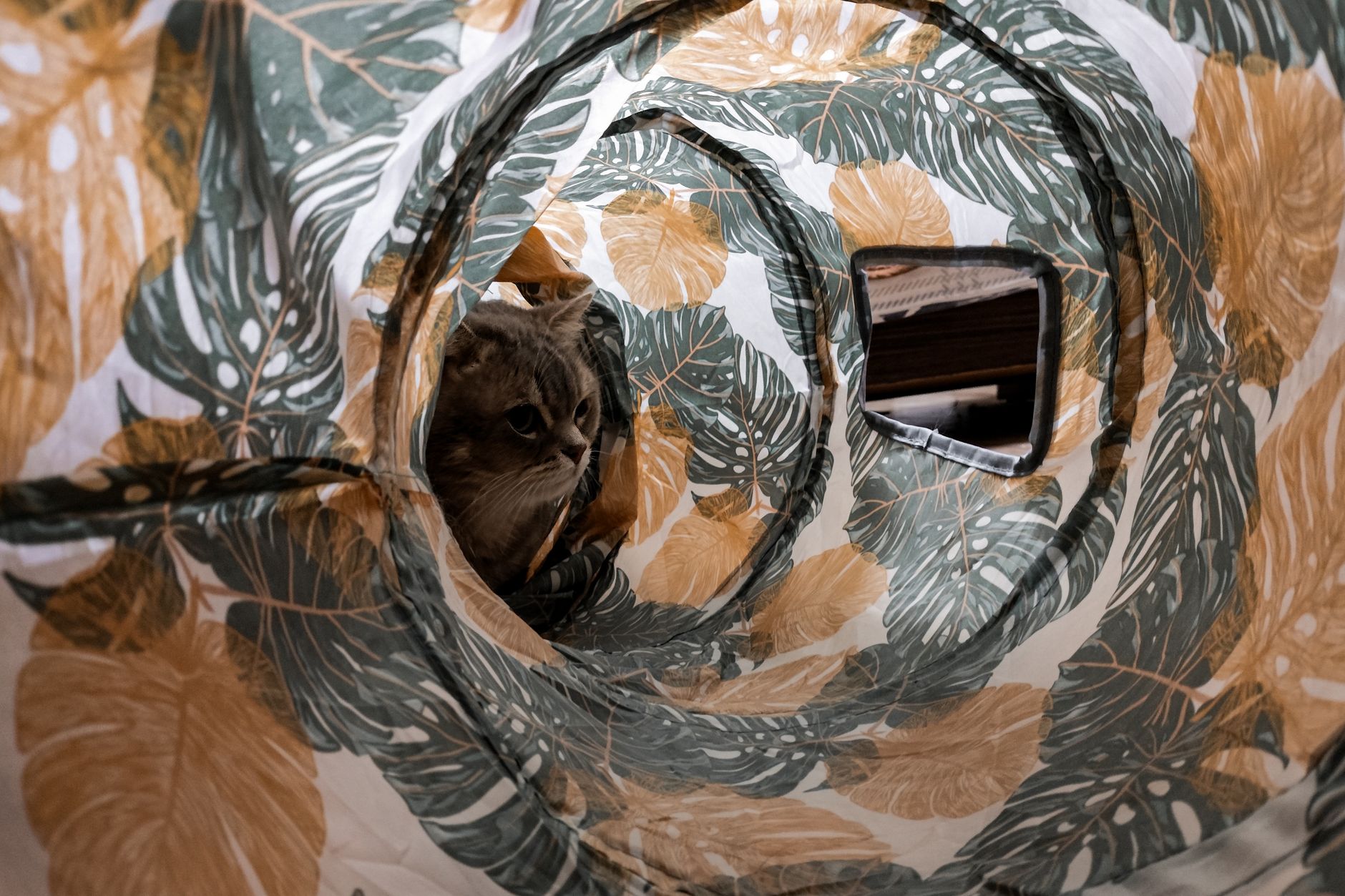
Veterinary guidance on cat hiding has shifted significantly in 2026, with new chronic kidney disease guidelines now identifying hiding as a critical early health signal that owners frequently miss. The updated iCatCare consensus standards, combined with emerging wearable technology and refined stress-management protocols, give cat owners clearer tools to distinguish medical hiding from behavioral hiding and respond accordingly.
This matters because cats instinctively conceal signs of pain and illness—a survival instinct that puts senior cats at particular risk. Recognizing hiding as a potential symptom, rather than a quirk of cat personality, has become central to spotting conditions like arthritis, dental disease, or kidney disease before they progress. For the first time, owners have practical technology and environmental strategies designed specifically to monitor these behavioral shifts.
Table of Contents
- Hiding as a Health Signal, Not Just a Personality Trait
- Environmental Stress as a Driver of Hiding
- Practical Solutions: Boxes, Enrichment, and Monitoring
- When Hiding Requires a Vet Visit
- Your Own Anxiety May Affect Your Cat
- Frequently Asked Questions
Hiding as a Health Signal, Not Just a Personality Trait
Chronic kidney disease now affects an estimated 28–81% of cats over 12 years old, yet most cases go undiagnosed until advanced stages because cats hide the early signs. The 2026 iCatCare guidelines identify increased hiding and reduced activity as among the first behavioral changes that signal underlying illness. Appetite loss appears before other symptoms and often coincides with a cat withdrawing to dark spaces.
Behavioral changes in cats—including hiding, reduced jumping, or reluctance to move—frequently mask serious pain from arthritis or dental disease, according to the Pet Professional Guild. This matters because most senior cats suffer silently, and owners often attribute a cat's withdrawal to normal aging rather than a treatable problem. The key insight from 2026 research is that hiding deserves a vet visit, not just observation.
Environmental Stress as a Driver of Hiding
Beyond illness, environmental factors trigger hiding that owners can often control. Recent animal behavior research shows cats display measurable increases in fear and stress indicators—flattened ears, hiding, and freezing—during noisy periods compared to quiet ones. moving a cat to a noisier environment or introducing sudden household changes can cause behavioral shifts that persist for days.
This distinction matters for diagnosis. A cat that hides after construction noise or a new pet arrival may be stressed rather than sick. However, stress-related hiding that continues beyond a few days, or that coincides with appetite changes, still warrants a veterinary check because stress and illness often occur together.
Practical Solutions: Boxes, Enrichment, and Monitoring
Hiding boxes work. Research published in veterinary journals found moderate evidence that hiding boxes reduce fear and stress scores in cats, with improvements most pronounced in cats that display aggression or high anxiety. A simple cardboard box or enclosed bed provides a refuge that measurably lowers stress levels and helps a cat feel secure. Beyond environmental comfort, enrichment directly reduces hiding caused by boredom.
Stress and boredom have been identified by veterinarians as primary causes of hiding, and 2026 wellness guidance increasingly includes mental health alongside physical health in routine care. Puzzle feeders, window perches, and interactive toys address boredom-driven hiding, though they do not replace a vet visit if other symptoms are present. Wearable technology now offers real-time monitoring. Pet wellness collars track sleep, steps, and heart rate with app notifications when activity patterns shift—allowing veterinarians to spot early health problems through behavioral changes before a cat's hiding becomes severe. This gives owners and vets an objective record of when activity declined, often revealing patterns that owners did not consciously notice.
When Hiding Requires a Vet Visit
A single hiding episode after a stressful event (a move, a new pet, loud noise) typically resolves within days if the environment is calm. However, hiding that persists beyond three to five days, or that occurs alongside appetite loss, changes in litter box use, or difficulty jumping, warrants immediate veterinary evaluation. The 2026 guidelines emphasize that CKD and arthritis progress silently, so earlier evaluation prevents advanced disease.
Also watch for behavioral shifts in specific patterns. If a cat that previously moved freely now struggles to jump, or if a usually social cat becomes withdrawn only at certain times or in certain rooms, these details help a vet diagnose environmental stress versus medical problems. Keeping a brief note of when hiding started and what else changed gives a vet the information needed for targeted testing.
Your Own Anxiety May Affect Your Cat
A documented 2026 finding connects owner anxiety during vet visits to increased stress and hiding behavior in cats. Cats are sensitive to human emotional states, and an anxious owner can inadvertently trigger or worsen a cat's fear response.
If your cat hides more during stressful times in your own life, addressing your own stress—through exercise, sleep, or other means—may directly reduce your cat's hiding behavior. This does not mean your anxiety causes your cat's illness, only that a calmer household environment supports a cat's emotional wellbeing and makes behavioral signals easier to read accurately.
Frequently Asked Questions
How long should I wait before calling a vet if my cat starts hiding?
If hiding persists beyond three to five days, or occurs alongside appetite changes or reduced jumping ability, contact a vet promptly. A single hiding episode after a stressful event typically resolves on its own if the environment is calm.
Do hiding boxes actually help?
Yes. Research shows moderate evidence that hiding boxes reduce fear and stress scores, with the largest improvements in anxious or aggressive cats.
Can my cat's hiding be caused by both stress and illness?
Yes. Stress and illness often occur together, which is why environmental comfort (quiet, hiding spaces, enrichment) supports recovery but does not replace a vet visit if other symptoms are present.
What should I tell my vet about my cat's hiding?
Note when hiding started, what else changed at the same time (appetite, litter use, activity level, sounds or events in the home), and whether it is constant or tied to specific times or rooms. This detail helps your vet narrow the diagnosis.