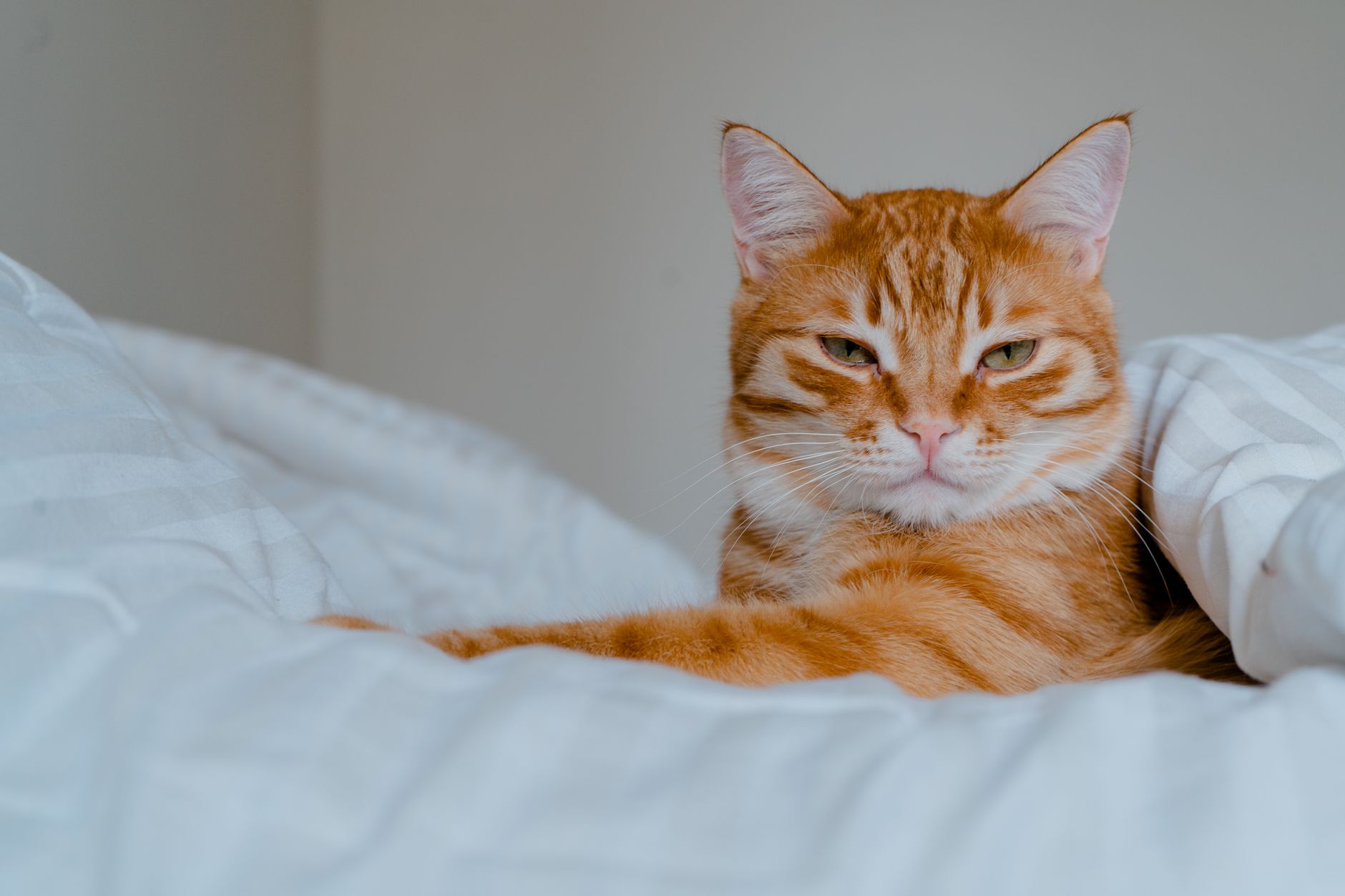
Cat arthritis, or feline osteoarthritis, is a painful joint disease that is common and often missed. Signs include being less active, hiding, grooming less and having trouble with the litter box. Care options include Solensia, a monthly injection approved by the FDA in 2022, plus careful pain management with your vet.
Some common pain drugs are unsafe for cats. Osteoarthritis starts when the cartilage that cushions a joint wears down, so the bones rub together. According to Pharmacy Times' report on the Solensia approval, nearly 40% of all cats show signs of pain linked to it. That makes it one of the most likely reasons an older cat slows down.
Table of Contents
- What Does Arthritis Look Like in a Cat?
- Why Owners Miss It
- How Solensia Works, and What Its Safety Record Shows
- Which Pain Medicines Are Dangerous for Cats?
- Questions to Ask Your Vet
- Frequently Asked Questions
What Does Arthritis Look Like in a Cat?
cats rarely limp or cry out when their joints hurt. Instead, their habits change a little at a time.
PetMD lists these signs: The last sign matters a lot. A cat that finds a high-sided box painful may start going just outside it, which can look like a behavior problem when it is really pain.
- Less activity, such as fewer jumps onto furniture or windowsills
- More time spent hiding
- Irritability, especially when touched or picked up
- Less grooming, which can leave a matted or greasy coat, often along the back
- Weight loss
Why Owners Miss It
PetMD's overview of arthritis in cats notes that owners often take these changes for normal aging. A 14-year-old cat that sleeps more and stops jumping onto the counter seems like it is just getting old. Often, though, it is avoiding a movement that hurts.
A good test is to compare your cat now with a year ago. Does it still use the same perches? Does it still groom its whole body? Does it get in and out of the litter box the same way? Write down the specific changes and bring the list to the vet. Cats often hide pain in the exam room, so your notes from home can help with the diagnosis.
How Solensia Works, and What Its Safety Record Shows
Solensia (frunevetmab), made by Zoetis, was approved by the FDA in January 2022 to control osteoarthritis pain in cats. Your vet gives it as an injection once a month at the clinic. The Zoetis and FDA approval announcement says it was the first monoclonal antibody drug approved for any animal species. A monoclonal antibody is a lab-made protein that targets one specific molecule in the body. In the approval studies, Zoetis reports that the most common side effects were vomiting, diarrhea, pain where the shot was given, scabs on the head and neck, dermatitis and itching. Most were mild and did not require stopping treatment.
Wider use has produced more reports. From launch through March 2025, the FDA's adverse event summaries show more than 5,500 reports for Solensia, mostly skin reactions, digestive upset and lethargy. A report does not prove the drug caused the problem. A 2026 analysis in the Journal of Veterinary Internal Medicine looked at these reports in the FDA database, so safety after approval is still a fair question to raise with your vet. Librela, a related drug for dogs, led the FDA to send a Dear Veterinarian letter in December 2024 about ataxia (loss of coordination), seizures and other neurologic signs. Zoetis updated the Librela label in February 2025. That letter covered dogs only, not Solensia.
Which Pain Medicines Are Dangerous for Cats?
Meloxicam is a nonsteroidal anti-inflammatory drug (NSAID) used in many animals. For cats, its labels carry an FDA boxed warning, the agency's strongest label warning: repeated use has been linked to sudden kidney failure and death. In the US, injectable meloxicam is approved for cats only as a single dose before surgery. Oral meloxicam is not approved for cats at all.
Medicines from your own cabinet are even more dangerous. Acetaminophen (Tylenol), aspirin, ibuprofen (Advil) and naproxen (Aleve) are highly toxic to cats and can kill them. Never give any of them for a stiff or sore cat, even in a small piece of a tablet. If your cat swallows one, call your vet or an animal poison control line right away.
Questions to Ask Your Vet
These questions come straight from the approval, label and safety information above: Bring the list of changes you noticed at home. It gives the vet a baseline to compare against once treatment starts.
- Is a monthly Solensia injection a good fit given my cat's kidney health and medical history?
- Which side effects should I watch for after each shot, and which ones need a call right away?
- What should I do if I see skin sores, scabs or itching around the head and neck?
- If you suggest an NSAID, how does the plan fit with the FDA's boxed warning on meloxicam for cats?
- Which signs at home, such as litter box use, jumping or grooming, should I track to tell whether treatment is working?
Frequently Asked Questions
Can I give my cat a small dose of aspirin or Tylenol for joint pain?
No. The ASPCA Pet Health Insurance guide says acetaminophen, aspirin, ibuprofen and naproxen are highly toxic to cats and can be fatal, even in amounts that seem small.
Is Solensia a pill I can give at home?
No. It is a once-a-month injection that your vet gives at the clinic.
Does the FDA's Librela warning apply to cats on Solensia?
No. The December 2024 Dear Veterinarian letter covered dogs given Librela only.