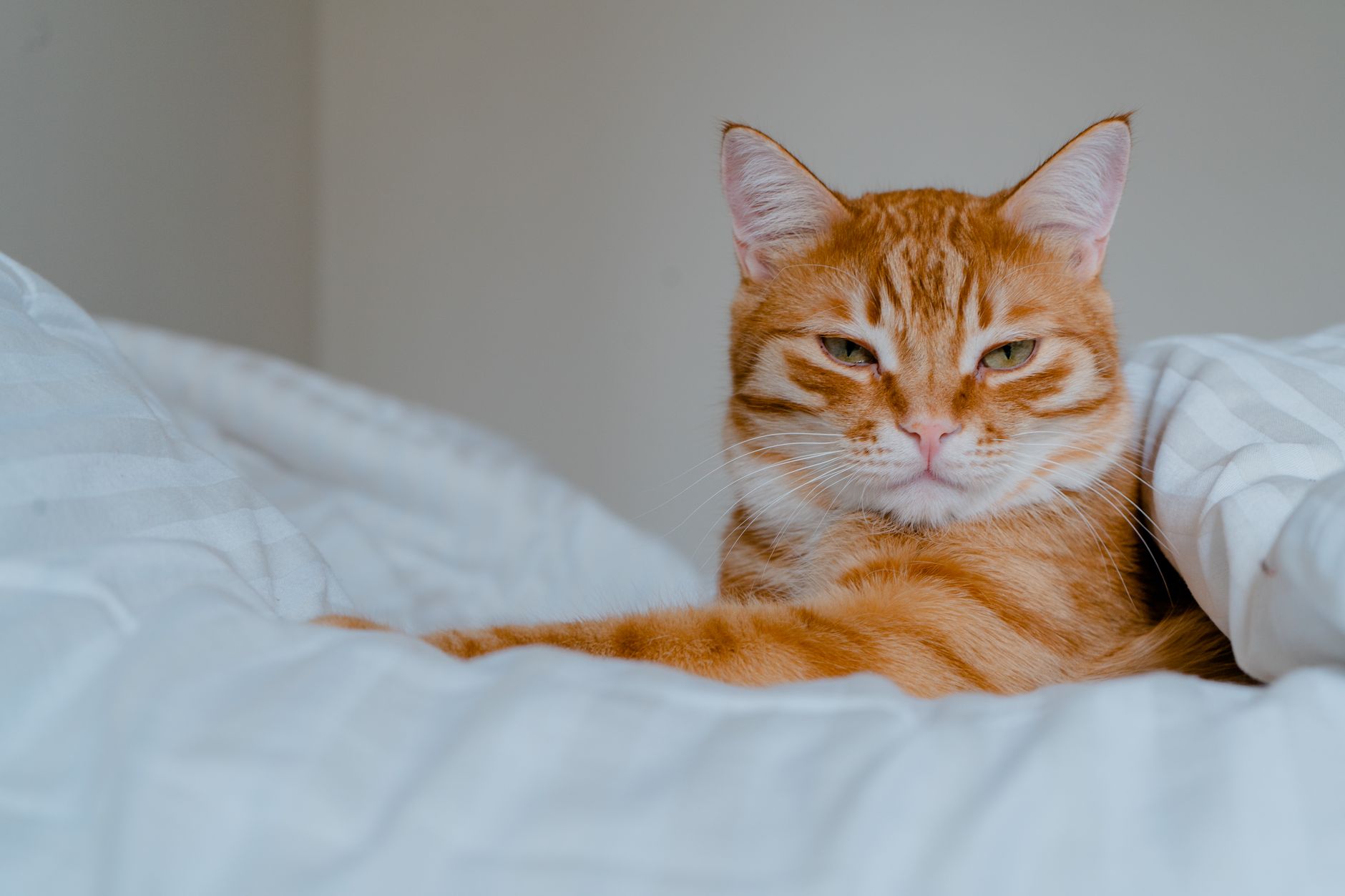
Cat vomiting is classified as acute when it lasts up to two days or chronic when it persists beyond two weeks; identifying which type your cat has shapes both immediate care and next steps. Vomiting is an active process involving retching and partially digested food, and it differs fundamentally from regurgitation—a distinction that matters for diagnosis and treatment. The causes of acute vomiting range from hairballs to toxin exposure, while chronic vomiting often signals underlying conditions like inflammatory bowel disease, food allergies, or metabolic illness. Knowing what to watch for helps you decide when veterinary care is urgent versus routine.
Table of Contents
- Regurgitation Versus Vomiting—Tell Them Apart
- The Most Common Causes
- When Vomiting Becomes an Emergency
- How Veterinarians Diagnose the Problem
- Treatment Options and Care
- Frequently Asked Questions
Regurgitation Versus Vomiting—Tell Them Apart
Regurgitation and vomiting are not the same process, and confusing them delays diagnosis. Regurgitation is passive and happens soon after eating—your cat expels undigested food with no abdominal heaving. Vomiting, by contrast, involves active retching, brings up partially digested contents, and can happen at any time, not tied to meals.
Regurgitation typically points to swallowing or esophageal problems, while vomiting usually involves the stomach or intestines. Watch whether your cat gags or contracts their abdomen—that's vomiting. Food coming up easily without effort is regurgitation. Your veterinarian will ask you to describe the event in detail, so noting the difference now saves time and guides faster diagnosis.
The Most Common Causes
Hairballs—damp, cylindrical wads of hair moistened by bile and digestive fluids—rank among the most common causes of vomiting in cats. In otherwise healthy adults, infrequent hairball vomiting is usually not concerning. Grooming cats swallow hair, and shedding increases the risk in spring and fall.
Beyond hairballs, chronic vomiting often stems from inflammatory bowel disease, food allergies, gastrointestinal motility disorders, or metabolic diseases like kidney or thyroid illness. A single episode of acute vomiting with no other symptoms may not require a vet visit, but vomiting that recurs or worsens always does. Age, diet changes, and access to toxic substances all shape risk.
When Vomiting Becomes an Emergency
Three or more vomiting episodes within 24 hours warrant immediate veterinary evaluation, as this pattern may indicate stomach blockages, toxin exposure, or serious illness. Do not wait to see if it stops. Vomiting accompanied by blood, pale gums, difficulty breathing, or a swollen stomach requires emergency care. Lethargy, weakness, or refusal to eat or drink for more than 12 hours also signal serious illness. Cats vomiting more than once per month or exhibiting secondary symptoms need professional evaluation to identify underlying causes..
How Veterinarians Diagnose the Problem
Veterinary diagnosis begins with a thorough history and physical examination, followed by bloodwork and fecal testing to rule out toxins and parasites. Your vet will ask when vomiting started, how often it occurs, what the vomit looks like, and whether your cat shows other signs of illness. They'll palpate the abdomen to check for pain or masses. If initial findings are normal, x-rays and ultrasound help identify blockages, tumors, or structural problems. This staged approach prevents unnecessary testing while pinpointing the cause efficiently.
Treatment Options and Care
Acute vomiting lasting less than two days with no other disease signs is typically managed with a 24-hour food fast. Ongoing vomiting requires evaluation to prevent dehydration and electrolyte imbalances. Treatment may include antiemetic injections to stop nausea, gastroprotectants like Pepcid or Sucralfate to protect the stomach lining, and prescribed bland diet foods formulated for sensitive digestion.
For cats with significant vomiting, subcutaneous or intravenous fluid administration restores hydration and electrolyte balance. Your vet will choose treatments based on the underlying cause—a hairball needs a different approach than inflammatory bowel disease.
Frequently Asked Questions
Is it normal for a cat to vomit once a month?
No. Cats vomiting more than once per month warrant veterinary evaluation, even without other visible symptoms. Frequent vomiting often signals an underlying condition that benefits from early diagnosis.
Can I give my cat food right after vomiting?
No. For acute vomiting, withhold food for 24 hours to let the stomach settle. After the fast, introduce small amounts of bland, easily digestible food and gradually return to normal diet if vomiting stops.
What should I bring to the vet appointment about my cat's vomiting?
Describe the frequency, timing, what the vomit looks like, any color or blood, when it started, and any diet or environment changes. Note whether your cat is eating normally, drinking, and acting like itself. A photo or video of an episode is helpful.