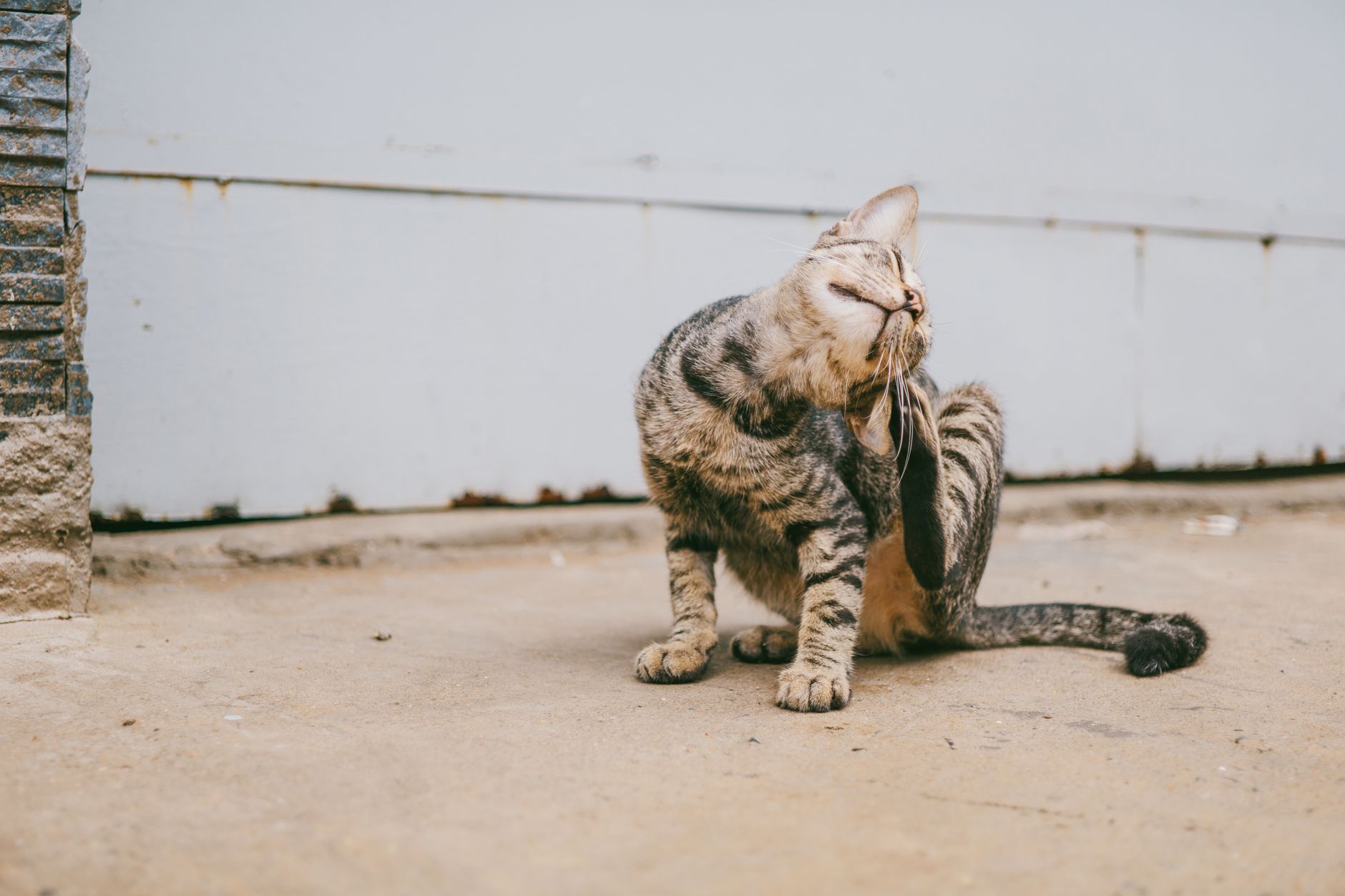
Excessive scratching in cats usually signals an underlying health problem that needs veterinary attention, not just normal grooming behavior. The most common causes are parasites like fleas, bacterial or fungal infections, and allergies, with flea allergy dermatitis being the most common skin disease in cats—even indoor cats can develop it after a single flea exposure.
A veterinarian can diagnose the cause through a physical exam and recommend treatment ranging from flea prevention and antibiotics to steroids and supportive care. Your role is recognizing when scratching becomes a problem and getting your cat to a vet before secondary skin damage worsens the condition. Knowing what symptoms to watch for and what treatment looks like helps you act quickly rather than waiting for the scratching to resolve on its own.
Table of Contents
- The Most Common Causes of Scratching
- Signs Your Cat Is Scratching Too Much
- How Vets Diagnose Scratching Problems
- Treatment Options and Recovery
- When Cat Scratches Are a Health Risk for Humans
- Frequently Asked Questions
The Most Common Causes of Scratching
Fleas top the list, particularly through flea allergy dermatitis, where a cat's immune system reacts to allergens in flea saliva rather than to the fleas themselves. This means even one flea can trigger intense itching in a sensitive cat, and the allergy affects even indoor-only cats if exposed. Indoor cats are not safe from fleas if they share a home with dogs, if fleas hitch a ride on clothing or in a screened window, or if a flea-infested rodent enters the house.
Bacterial and fungal skin infections, especially ringworm, are the second major category. These spread through direct contact and thrive when a cat's skin is already irritated or damaged by scratching. Environmental and food allergies round out the trio, though they are typically less common than parasites or infections and harder to pinpoint without trial-and-error.
Signs Your Cat Is Scratching Too Much
Normal grooming looks different from excessive scratching: a cat with a scratching problem will focus intensely on one area, scratch repeatedly throughout the day, and show visible damage. Warning signs include excessive scratching or licking, hair loss, red or raw patches, and localized focus on ears or tail base.
Severe scratching can quickly escalate to bleeding wounds and open sores. Watch for behavioral changes too—an itchy cat may seem restless, groom obsessively, or avoid interaction because the itching is uncomfortable. If you notice your cat spending noticeably more time licking or scratching than usual, a vet visit is overdue.
How Vets Diagnose Scratching Problems
Veterinary diagnosis typically involves a hands-on approach rather than guesswork. Your vet will usually perform flea combing, microscopic skin scrapings, and sometimes trial flea treatments to identify parasites. If an infection is suspected, your vet may culture the affected skin or prescribe a short course of treatment while waiting for results.
The diagnostic process matters because the same scratching behavior can have completely different causes in different cats. One cat may need only flea prevention; another may need antibiotics or antifungals. Skipping the vet visit and guessing at treatment wastes time while your cat's skin worsens.
Treatment Options and Recovery
First-line treatment for flea allergy dermatitis combines strict flea prevention with steroids and supportive care like oatmeal baths, with symptoms typically improving within 24 hours but taking 2+ weeks to fully resolve. Oral flea preventatives or topical spot-on treatments are the backbone—your vet will recommend products safe for your cat's weight and health status. If a secondary bacterial infection has developed from scratching, antibiotics will be prescribed for 3–4 weeks.
Steroids like oral prednisolone or injectable Depo-Medrol reduce inflammation quickly and give your cat relief while other treatments take effect. Do not skip doses or stop early, even if scratching improves—completing the full course prevents relapse. If your vet suspects a fungal infection like ringworm, antifungal medications will replace or accompany steroids.
When Cat Scratches Are a Health Risk for Humans
Cat scratch disease in humans is caused by Bartonella henselae bacteria transmitted through cat scratches or bites and primarily affects people with compromised immune systems, young children, and those with direct breaks in the skin. Most healthy adults do not develop serious illness from cat scratches, but the risk is real in vulnerable populations.
If you are scratched by a cat, wash the wound gently with running water and soap immediately, as Bartonella transmission risk increases with deeper scratches or when the wound is scratched afterward. Do not assume a light scratch is harmless—deeper puncture wounds carry higher risk. Monitor the scratch for signs of infection like warmth, pus, or red streaking, and see a doctor if those develop, especially if you have health conditions that weaken immunity.
Frequently Asked Questions
Can I treat my cat's scratching at home without a vet visit?
No. Without a proper diagnosis, home treatments may miss the actual cause—a cat scratching from ringworm will not improve with flea prevention alone, and a cat with secondary skin damage needs antibiotics. Early veterinary care prevents costly complications and weeks of unnecessary suffering.
How long does treatment for scratching take to work?
Steroids can reduce itching within 24 hours, but complete healing for flea allergy dermatitis takes 2+ weeks once you start strict flea prevention. Fungal infections require several weeks of antifungal medication, and bacterial infections need the full antibiotic course.
Is my indoor cat at risk for fleas?
Yes. Even indoor cats can get fleas through dogs in the home, fleas on clothing, or rodents entering the house. Year-round flea prevention is recommended regardless of lifestyle.